The Middle East and North Africa region is behind other regions in education and creating an enriching work environment, according to a new report.
The World Economic Forum ranked 122 nations to assess their human workforce and found many regional countries falling behind their emerging market peers.
The WEF report ranked countries on four key measures:
1 The Health and Wellness Pillar which focuses on a population's physical and mental well-being.
2 The Education Pillar measures quantitative and qualitative aspects of education across all levels and includes information on both the present workforce as well as the future workforce.
3 The Workforce and Employment Pillar quantifies the experience, talent, knowledge and training of a country's working-age population
4 The Enabling Environment Pillar looks at the legal framework, infrastructure and other factors that enable returns on human capital.
"The region ranks fourth on Health and Wellness, holds second to last place on the Education and Enabling Environment pillars and is in last place on Workforce and Employment," the survey said.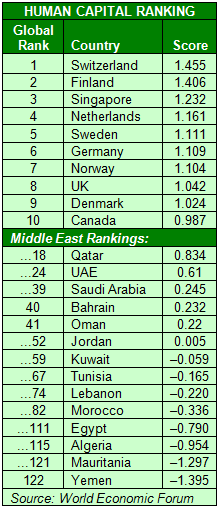
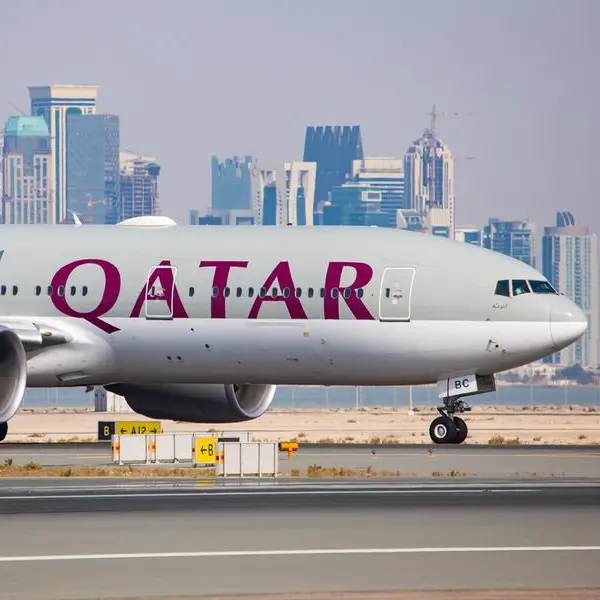
Qatar led the region, and is considered 18th best country in the world to work in. The country did especially well in workplace and environment and enabling environment categories.
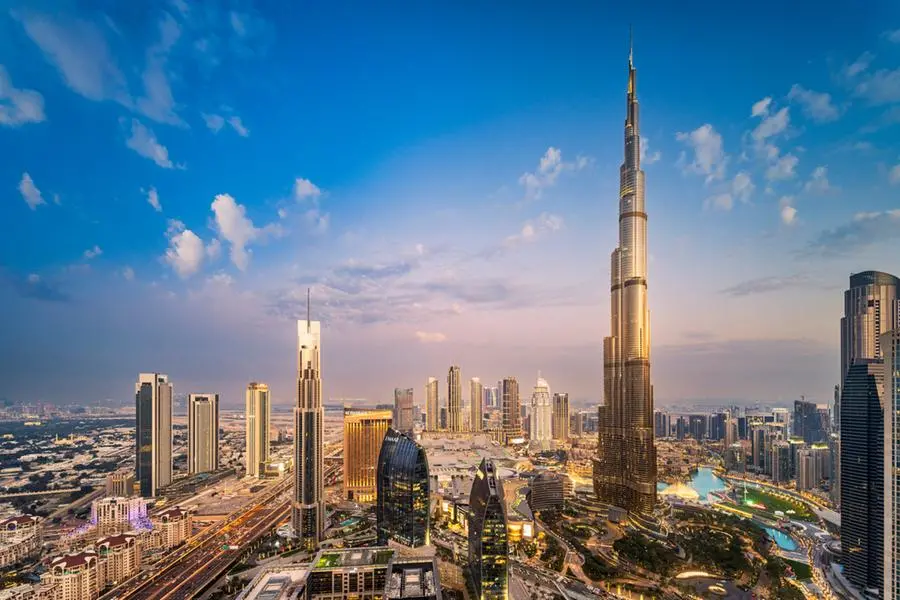
The UAE was second in the region, ranked 24th globally, with a strong enabling environment. However, the UAE fared poorly on the health and wellness of its employees.
"The UAE's rankings are pulled down by shortfalls on the Health and Wellness pillar with a last place ranking for deaths under 60 from non-communicable diseases and a weak performance for obesity," the WEF said.
The survey lauded Oman's healthcare services, which helped the sultanate reach 41st place in the world.
Saudi Arabia was ranked two places above at 39th, although it has to improve on the "enabling environment", WEF said, referring to the country's stringent laws and lack of social and economic freedoms.
The worst-performing Gulf states was Kuwait, which is consistent with its overall underperformance compared to other Gulf states in the areas of healthcare services, environment and education.
At the other bottom of the list, Yemen emerged as the world's worst place to work in, ranked 122nd.
Algeria (ranked 115th globally), Egypt (111th) and Morocco (82nd) - also shows how North Africa has suffered over the years and lagged behind other emerging markets in the areas of education, healthcare and a nurturing working environment.
While Egypt traditionally has benefited from strong education infrastructure compared to its regional peers, the mismatch between university research and development and businesses were a key area of weakness.
WHERE THE MIDDLE EAST IS FAILING?
The WEF rankings are consistent with the findings of the International Labour Organization (ILO).
MENA has some of the highest unemployment rates in the world, and it's important for governments to create an environment that facilitates job growth and includes many sections of society including the youth and women into the fold.
The ILO estimates that joblessness in the Arab World will rise from 8 million at the end of last year to 8.8 million by 2015.
"Young people continue to suffer particularly from high unemployment in the region. In 2012, the youth unemployment rate stood at 28.1% and is expected to increase further as regional economic growth is slowing down," the ILO said in its annual report in May.
"Unemployment for young workers under the age of 20 has even reached rates above 50% in certain countries. The youth unemployment rate is more than four times that for adults, the largest youth-to-adult unemployment ratio in the world." 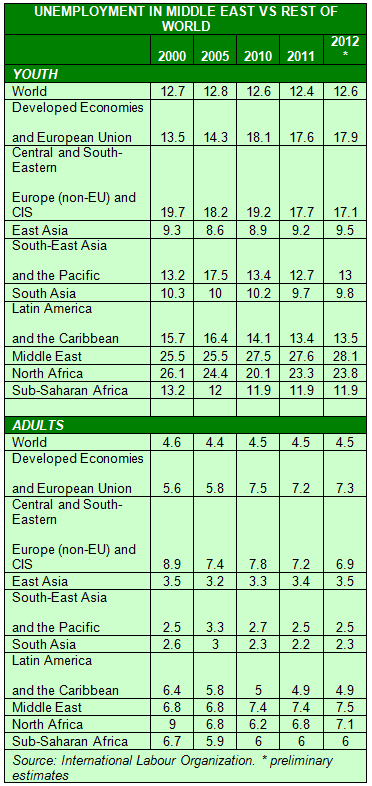
In addition, it is tough for women to find gainful employment, with low participation rates of 19% last year - with even well-educated women in the Gulf states, particularly Saudi Arabia, unable to find suitable jobs.
"The low participation and employment rates of young women are a reflection of broader disadvantages of women in the labor market in the Middle East region," said the ILO.
"In some countries, gender segregation in public spaces as well as limitations for women to take up certain occupations or make particular educational choices limit their employment opportunities and widen incentives for inactivity."
Skill mismatch and an overwhelming preference to work in the public sector means, the Middle East has been unable to cultivate a rich and beneficial work culture that will foster innovation, entrepreneurship and work environments conducive to productivity.
The lack of a robust framework governing migrant workers is also a focus area that needs attention especially from countries that need it most. Qatar was recently called out by the ILO for not properly inspecting workplace conditions and "no coherence" in the state's policies over the use of migrant labor. The International Trade Union Confederation recently noted that 4,000 migrant workers will die over the next decade as the country's FIFA World Cup 2022 preparations get under way, if remedial action is not taken.
GLOBAL CONTRAST
Contrasting the Middle East's workplace development with the top ranked nations like Switzerland, Finland, Sweden, Netherlands, Sweden, Germany, Norway and the United Kingdom, which have worked hard on developing strong educational institutions and creating labor laws that have transformed them into some of the desirable countries to work in.
Interestingly, Singapore finds itself in third place in the global rankings.
"Singapore's excellent rank is due to its very strong scores on the Education and Workforce and Employment pillars, and good scores on Enabling Environment," WEF said. "Exceptionally strong scores across the qualitative education indicators and the high level of tertiary education among the adult population drive up its Education pillar ranking. Strengths on the Enabling Environment's Collaboration and Legal framework sub-pillars include a top rank on the Doing Business Index."
Singapore's presence right near the top of the list holds out hope for other developing economies such as Qatar and the UAE can also climb up the rankings.
© alifarabia.com 2013