PHOTO
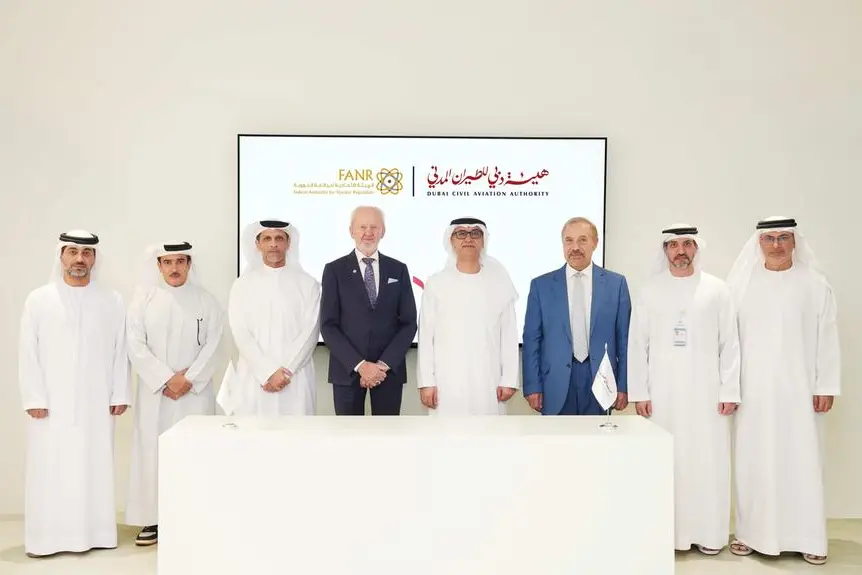
The Federal Authority for Nuclear Regulation (FANR) has signed a Memorandum of Understanding with the Dubai Civil Aviation Authority (DCAA), aimed at enhancing cooperation, coordination, and the exchange of expertise to support the safe and secure transport of radioactive materials through Dubai’s airports.
The agreement establishes a framework for collaboration between the two entities, reflecting their shared commitment to upholding the highest standards of safety, security, and regulatory compliance.
The MoU outlines areas of cooperation, including the exchange of information, joint coordination on licensing and approvals, inspection of entities involved in transporting radioactive materials, and the development of shared procedures and technical capacity.
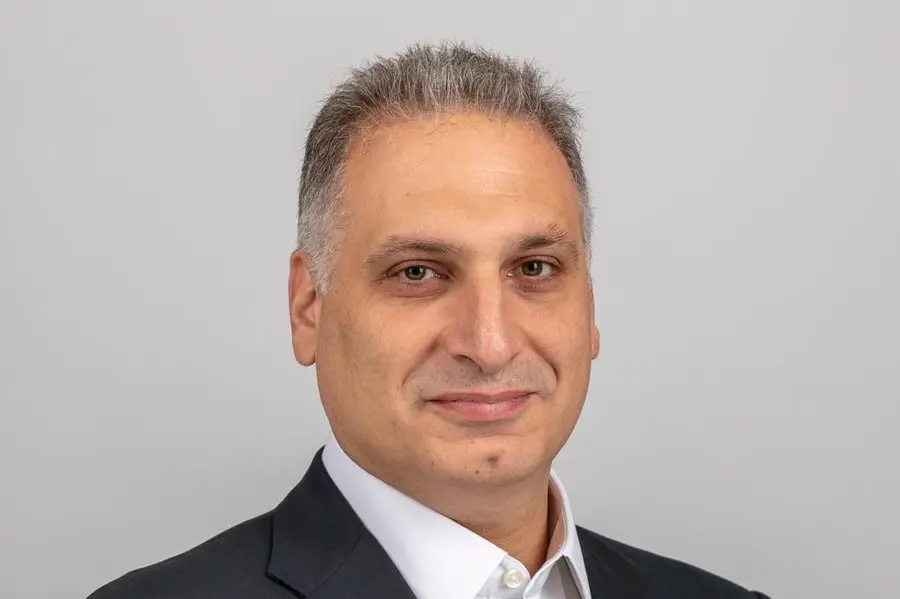
Christer Viktorsson, Director-General of FANR, said the partnership reflects ongoing efforts to strengthen cooperation with national authorities to ensure the highest standards of nuclear and radiation safety across all regulated activities.
He said enhanced cooperation with the DCAA reinforces joint efforts to protect the public, safeguard the environment, and ensure the safe transport of radioactive materials in line with international standards.
Viktorsson added that the MoU establishes a strong foundation for integrated regulatory action, exchange of expertise, and enhanced preparedness, supporting the UAE’s commitment to maintaining a world-class regulatory framework.
Mohammed Abdulla Lengawi, Director-General of DCAA, said, "This MoU reflects our commitment to strengthening institutional integration and advancing a sophisticated regulatory framework that aligns with international best practices for the air transport of radioactive materials. We reaffirm the DCAA's commitment to supporting the highest standards of safety, security, and effective coordination among relevant entities, contributing to Dubai’s position as a leading global hub for civil aviation and safe logistics services."
In addition, the annex to the MoU details specific coordination mechanisms related to the issuance of air-transport permits for radioactive materials, joint inspection activities, integration of electronic systems, and the exchange of regulatory updates.
Both sides will also cooperate on training programmes and technical exercises to build regulatory capabilities.