To say it was a tough first half for the global economy would be an understatement. It was practically torrid as markets vacillated to market-moving news which were, for the most part, grim. On more than a few occasions, the European Union bloc threatened to implode with a series of nerve-wracking elections and new faces that seemed determined to undo the fragile negotiations weaved by their predecessors to keep the fragile entity together.
Elsewhere, the United States fared poorly with uninspiring job growth and a deadlocked political environment. Worse, even the stalwart BRIC -Brazil, Russia, India and China - saw growth sputter and their economic environments deteriorate.
Even the relatively insulated safe havens in the Middle East could not escape the doom. Initially, the regional markets made a valiant start to shrug of global economic weakness and did well till the first quarter, before losing their nerve by the second quarter and joining the global economic gloom.
IMF chief Christine Lagarde summed up the global economic mood: "This crisis does not recognize borders. This crisis is knocking at all our doors. For make no mistake: This is a global crisis," she told an audience in Tokyo.
The IMF's updated assessment of the world economy - to be released eight days from now - will highlight that the global growth outlook will be somewhat less that was being anticipated just three months ago. And even that lower projection will depend on the right policy actions being taken.
"A combination of the persistence of the euro area debt crisis alongside the lagged impact of last year's monetary tightening in emerging markets has caused global business confidence to turn lower," says Julian Callow, an analyst at Barclays Capital in a report.
"In turn, this constitutes downside risks to our global GDP projections for the second half. Already this week, our U.S. GDP projection has been trimmed for 2012 to 2.2%, compared with 2.4% previously, and to 2.1% from 2.5% for 2013), based mainly upon more cautious behaviour now expected of the U.S. business sector, resulting from financial market volatility and concerns about Europe."
In light of these grim developments, the stock markets that orbited around their domestic issues fared much better than those that were connected to the global economy.
"The start of 2012 saw a major comeback by the bulls," noted NBK Capital. "Markets across the globe began to rally, and financial woes seemed to be a thing of the past. However, toward the second quarter of 2012, global issues began to resurface, pushing several markets down.
The table below tells the story.
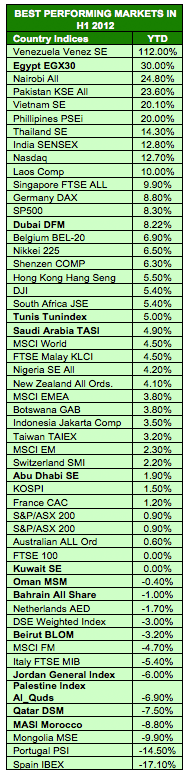
Venezuela, driven by domestic spending and high oil revenues, posted stellar growth, rising 120% during the first half of the year.
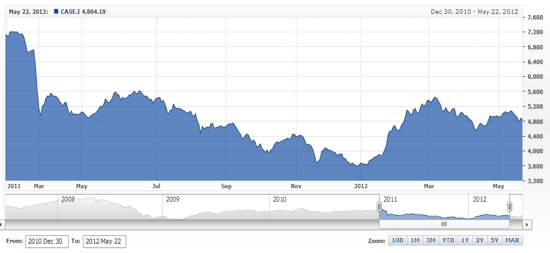
Egypt, however, was the big surprise. After falling close to 50% last year, the stock exchange staged a smart recovery, rising 24% in the first half, edging close to 5,000 points on the CASE index. Still, it stood at above 7,200 around the time Hosni Mubarak was being forced to quit early last year, saw it will be a long way to recovery.
The market has jumped even higher since the election of Mohammad Morsi, but the impact is not factored in the table above as a significant part of the increase came after June 30.
"Despite a notable drop in flows from international investors and volumes in general, the EGX 30 stands up almost 23% from its June 21st close and 36.6% higher year-to-date," noted a CI Capital Research report.
Source: Zawya.com
Nigerian and Pakistani markets - which are largely driven by domestic issues rather than global economic events - fared better, while emerging Asian markets Vietnam, Philippines and Thailand were among the top ten best-performing markets.
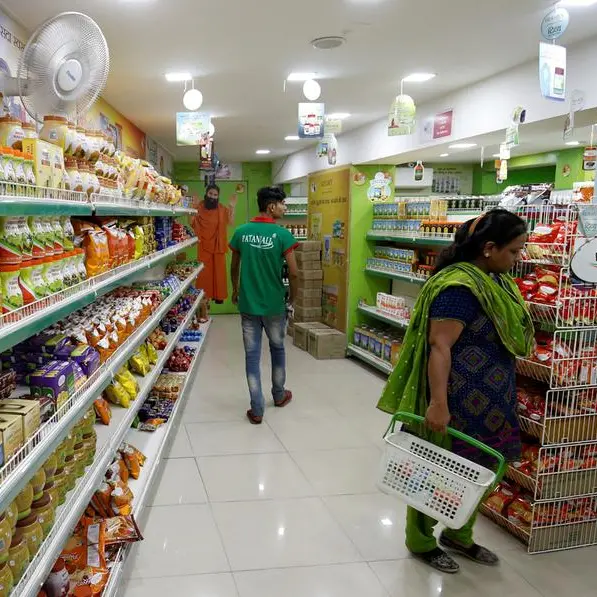
India emerged as the best-performing BRIC market, but Goldman Sachs appeared to dismiss what it has called a 'short-lived' rally.
"We find that the Indian stock market does not present an attractive risk/reward entry point currently as macro headwinds are likely to persist in the near-term," the bank said in a report.
However, BarCap analyst Siddharta Sanyal believes the bearishness is overdone and there are hopes of some progress, though admittedly in 'baby steps', over the next three to six months.
"In our view, things have improved at the margin, even on the fiscal and regulatory side, but this has not yet been acknowledged by the markets."
China, another key market for Gulf oil exporters, had its share of ups and down.
The Chinese stock market was up a respectable 6.3% in the first half, but the recent interest rate cut suggests that the Middle Kingdom is not in the best of economic health.
"The rate cut lends some support to our view of a growth likely bottoming in Q2. Under our baseline scenario of moderate US growth, a mild EU recession, we continue to expect no big stimulus package from the government," notes a BarCap analyst. "Hence, we expect only a modest and gradual recovery from Q3."
DUBAI TOP PERFORMING GULF MARKET
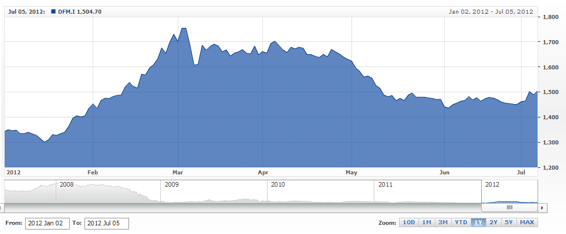
Dubai was the second best performing market in the region in the first half, rising as much as 25% earlier in the year, but saw much the gains wiped out by the second quarter.
Some of its key sectors such as real estate, tourism and retail fared well, while Dubai Inc. companies made steady progress in working through their debt issues. But the market was side-swept by global fears and lost most of their gains.
Source: Zawya.com
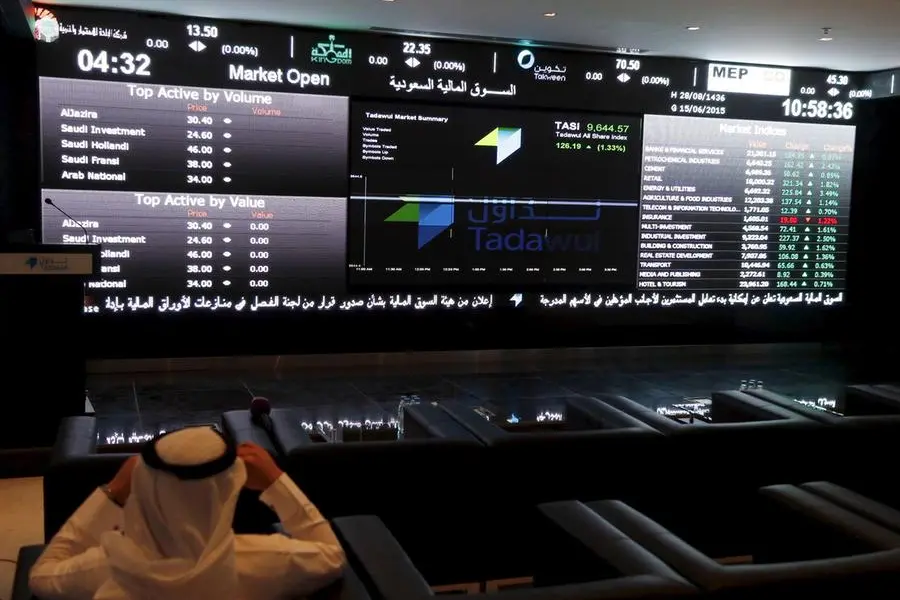
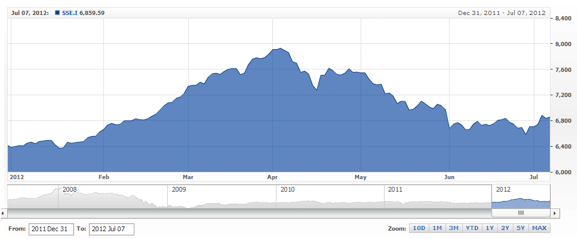
Other Gulf markets fared poorly despite a great start. Like Dubai, the Saudi Tadwaul peaked at 23.57% by April, but steadily fell back to post a 4.9% growth by the end of the first half, Zawya data shows. The market lost much of its steam primarily due to global economic fears and oil prices falling from their triple-digit perch in the second quarter.
The banking sector led the march with cement, real estate and industrial sectors putting in a strong performance and offsetting petrochemicals' poor showing.
Source: Zawya.com
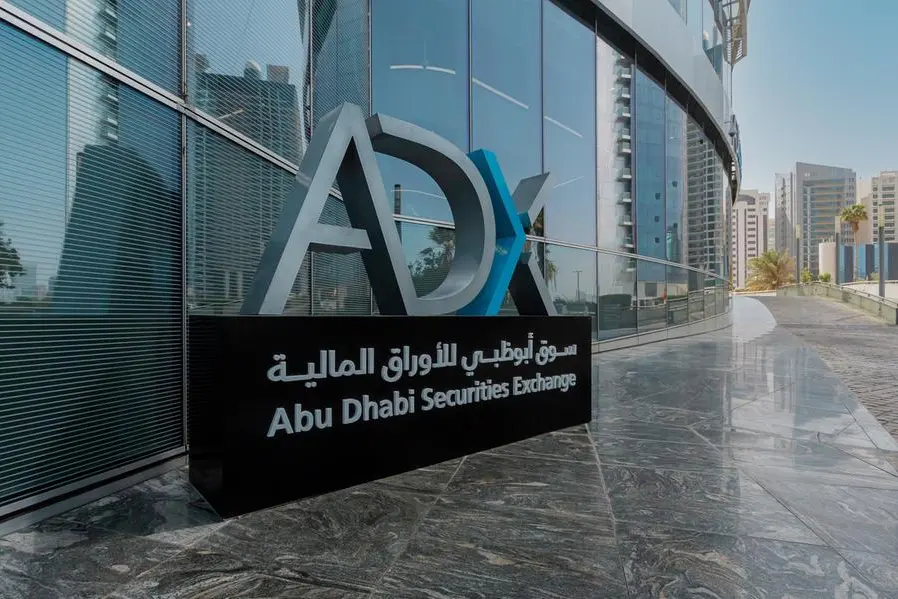
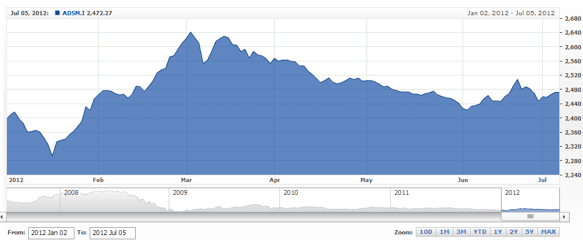
Abu Dhabi was the only other Gulf market is positive territory, eking out a 1.9% growth in the year - a far cry from its 10% peak rise till March 4, 2012.
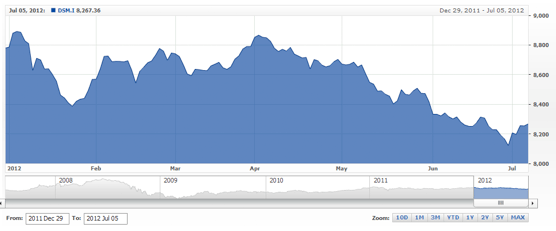
Qatar was the worst-performing Gulf market, falling 7.5% in the first half of the year. At the start of the year most analysts were predicting a strong year for the Doha SM and a poor year for UAE equities, but the situation has reversed leaving most fund managers wrong-footed.
The fireworks never ignited for Doha SE despite a strong domestic economi performance. While the market managed to keep its head above water for much of the first half, it completely gave in to the global doom, finishing down 7.5% by the end of June.
"A closer look at the GCC markets shows that they may potentially be undervalued relative to their peers, especially after factoring in the region's growth potential," notes NBK Capital in a report. "Moreover, the GCC region remains committed to capital spending, and has enough budget surplus to support growth for the coming years. These factors leave some countries, such as Qatar, in a good position to benefit from a potential rally in the markets."
EMERGING MARKET FUNDS
Much of the decline can be attributed to global emerging funds booking their profits and fleeing the Mideast.
.
"Increased risk aversion globally led to outflows of USD77 million from MENA funds, the worst in five months," notes EFG-Hermes analyst Fahd Iqbal. "Egypt and Saudi Arabia saw the highest outflows, followed closely by Qatar, Kuwait and the UAE. As a percentage of AUMs, outflows from MENA were the highest out of all the global regions we follow. MEA dedicated funds also saw outflows worsen to USD166 million, led by EMEA funds."
While Egypt was the best performing regional market, its North African peer Morocco was the worst performing regional market falling nearly 9%. Tunisia fared much better, rising 5% and was in fact the region's third best performing market despite new challenges facing the new moderate Islamic government.
CONCLUSION
At the end of the day, crude prices will be a key determinant in how GCC economies and markets perform in the second half.
"With continued doubts lingering about the recovery of the global economy, and rising evidence of waning demand for oil, GCC governments and markets will remain volatile if oil prices continue to slide as they have been recently," notes GIC.
With no short term catalyst evident, as growth in China slows and Europe's debt problems far from over, the GCC markets continue to be vulnerable in the short term to global events amidst a worrying financial climate.
Markets are hoping that another round of quantitative easing from the U.S. Federal Reserve could inject the much-needed testosterone in the flagging global economy.
© alifarabia.com 2012