Saudi Arabia's labor problems will "cloud" the country's short-term outlook, according to analysts.
The government crackdown on illegal foreign workers in November, which is expected to drive out nearly two million illegal workers, have been criticized by non-governmental organizations but has been important for the country's long-term structural reforms.
Overall, nearly one million illegal workers have already left the kingdom in the first half of the year, while another four million of the 7.4 million foreign workers have regularized their status. The Ethiopian government said at least 50,000 of its citizens have returned home - a figure that could soon reach 80,000 according to estimates.
While the Saudi government has come under fire for its handling of the process and its crackdown on the illegal workforce, this is a painful step the kingdom must take to regularize its workforce and provide opportunities to a legal human capital.
It's also a way for the authorities to make room for the 100,000 of Saudis that enter the job market every year.
Human Rights Watch has reported incidences of violence against migrant workers.
"Saudi officials say that the ongoing labor crackdown against foreign workers, which includes road checkpoints and raids on businesses, is part of Saudi Arabia's effort to combat high levels of unemployment among Saudi citizens by opening jobs previously filled by undocumented workers," according to Human Rights Watch. "Those targeted include workers who do not have the proper residency or work permits, and workers who are caught working for an employer who is not their legal sponsor."
ECONOMIC IMPACT
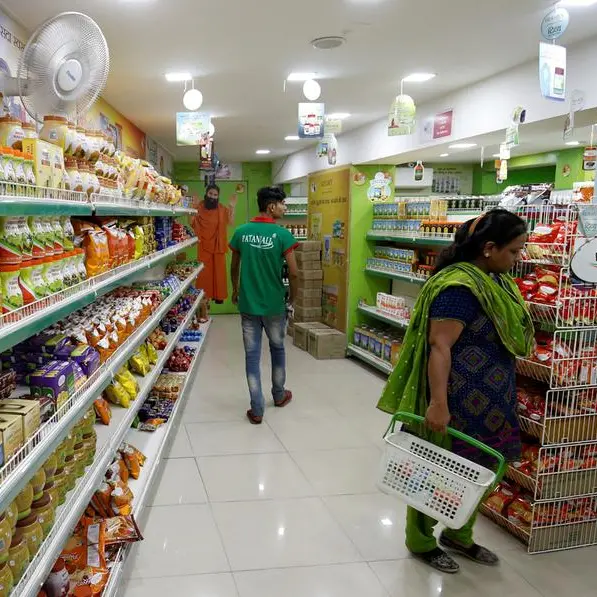
Bank of America Merrill Lynch expects the crackdown to reduce consumption in the near-term and increase labor costs in the long-term.
"Most of the expatriate exodus comes from the lower income segment, which should particularly impact consumer staple and spending on white goods," the bank said in a note, adding that Saudi owners of creditworthy small and medium enterprises are likely to have to either import legal expatriate labor or hire local manpower, incurring higher costs and impacting business margins either way.
"In addition, construction activity may also slowdown in the meantime, as even if large contractors handling major government projects regularize their workforce status relatively rapidly, bottlenecks could likely emerge at the sub-contractor level," the bank said.
The impact could well extend into 2014 as the labor market remains volatile, and the government likely backtracks to address short-term gaps in the labor market.
THE BRIGHT SIDE
"The negative near-term implications are mitigated by the fact that the eventual replacement of lower-level expatriate labor by higher-paid Saudi labor should prove supportive for consumption trends once the dust settles," BAML noted.
In addition, Saudi Arabia sees an annual outflow of USD 27.6 billion in remittances alone - the second largest in the world after the United States -- which may be curbed as more Saudi nationals take up places vacated by the departing foreign workforce.
But it's unclear how the Saudi economy will cope with the sudden departure of the low-cost labor in the short-term.
The labor market volatility comes at a time of rapid changes in the economy and a greater effort to expand the non-oil sector with billions worth of investments across many economic sectors.
"In the current stage of the kingdom's development, the key challenges are to raise productivity and accelerate the pace of diversification," said the Institute of International Finance.
"This will require continued investment in infrastructure and knowledge-based activities, promoting diversification of the economy, improving the business environment, and enhancing the quality of labor through reforms of the educational system and training programs."
But the kingdom cannot avoid much needed social and economic reforms, which must include - and is not limited to - the reformation of the sponsorship system and to move the national population away from dependence on public sector jobs.
Reforms are needed in other areas as well. While the kingdom's formidable hydrocarbons industry ensures that its fiscal strength is enviable, the country's education and labor market efficiencies remains low.
"Given Saudi Arabia's large population and indigenous labor force (as compared to the small national population of other GCC countries), creating jobs for nationals continues to pose a challenge to the authorities," said the IIF.
Saudi Arabia has the most acute labor and unemployment problem in the region, and the authorities' heavy-handed, but necessary, plan to clean up the labor force is a first step towards labor market efficiencies.
The next steps may be even more difficult, as the kingdom aims to raise educational standards, and encourage the national workforce to take on a variety of jobs from the menial to private sector jobs that are crucial for the growth of a fully-functioning economy. 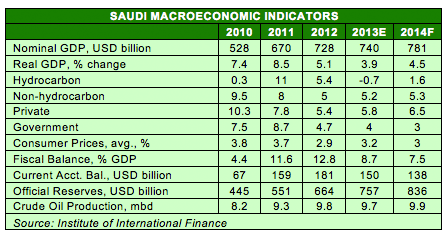
© alifarabia.com 2013