Fears of an oil price collapse are overdone as OPEC will use all the levers and controls to ensure it defends the USD 100 per barrel rate, according to a research firm, which spoke to a number of major state-owned oil companies in the oil-exporting group.
Most analysts worry about new supply coming on to the market not just from OPEC countries but also from the United States and Canada. Presumably as much as 1 million barrels per day of Iranian supply may return to the market, in addition to 500,000 bpd of lost Iraqi produce, and an additional 500,000 bpd from Libya - bringing as much as 2 million barrels per day of crude oil sloshing around in the global system.
The United States has been adding a million barrels per day over the past three years to re-emerge as an oil-producing powerhouse, while Russia, Canada and Brazil may add as much as 1.5 million bpd of new oil.
The new inventory could push prices by as much as 15-20%, according to some analysts. Deutsche Bank recently cut its Brent crude and West Texas Intermediate forecast by a full USD 10 this year on new supply.
But research firm Sanford C. Bernstein & Co. says oil inventories are unlikely to surge in the near-term as many countries face major hurdles to increase production.
Iran's infrastructure remains dilapidated, while Iraq is still encumbered by delays and bottlenecks. Meanwhile, the control of Libya's restored ports is set for a long power struggle, with multiple factions making multiple demands, including the receipt of crude oil export revenues for localized militias, which the Tripoli government is unlikely to accept.
"Second, our discussions with National Oil Companies in key OPEC countries lead us to believe that the core, effective producers in OPEC are likely to defend USD 100/bbl crude prices aggressively," wrote Oswald Clint, analyst at Bernstein in a new report.
Here is Bernstein's take on how each of the major OPEC countries will fight to defend prices, and their own domestic issues which would limit supply.
SAUDI ARABIA
The kingdom will have to balance the market and accommodate if Iraq and Iran production ramps up. Saudi Arabia is investing massively to stem production declines, but in December, the Saudi oil minister stated there is no need to add capacity beyond the current level of 12.5 million bpd. Exports were at an eight-year high in September 13 (7.8 million bpd) while output hit a 32-year high.
"Mature fields likely to be scaled back after Manifa starts up. Subsequent growth 550,000 bpd from Khurais and Shaybah," Bernstein said.
KUWAIT
The country is a primary candidate to rein in 2014 production to accommodate Iran/Iraq recovery. Production was already down 120,000 bpd in December from its peak.
"Pricing key to 'unsustainable' welfare state recently flagged by PM. KNOC has stressed need to defend oil price," Bernstein said.
IRAN
Iranian production could rise by 1 million bpd over the next 12-24 months. The country's output currently stands at 2.7 million bpd, a full 1 million bpd lower due to sanctions.
"Traders [are] skeptical of ending full-scale sanctions; although Iran has spoken with seven majors about their return. Infrastructure is in poor state (e.g. national gas company just declared bankruptcy) although reservoirs are likely to recover," Bernstein said.
In addition, new projects have been delayed: China National Petroleum Corp. (CNPC) failed to complete drilling at the 10-billion-barrel Azadegan field, while Sinopec's Yadavarn field is 60,000 bpd below target, highlighting technical challenges.
IRAQ
Iraq is lowering production forecast from a number of key fields including West Qurna-1 (1 million bpd from 1.8 million bpd), Majnoon (700,000 bpd versus 1.2 million bpd) and Rumaila (800,000 bpd from 2.1 million bpd). Iraq, which has been exempt from OPEC quotas, may now face resistance from fellow members as new production comes online.
UAE
UAE may also have to cut production to accommodate Iran/Iraq recovery, but the country is "unfazed" by crude price declines. However, it may be a big year for the UAE, as 75-year concessions with five western majors end in 2014.
ANGOLA
Angola may suffer, especially as the country has pushed back target of raising production from 1.77 million bpd to 2 million bpd. Exploration programs in new pre-salt discoveries have also disappointed.
NIGERIA
More than 80,000 bpd of Nigerian oil is stolen every day, which is driving away investors.
LIBYA
Monthly output has fallen from 1.97 million bpd in early 2013 to 220,000 bpd by November as the blockade by rebel groups creates havoc in the Libyan energy industry. Most analysts expect Libyan production to rise, although it will remain volatile.
ALGERIA
Safety concerns continue to haunt Algerian oil industry, especially after the deadly attack on a natural gas facility in early 2013. A bribery scandal involving Italian oil major Eni has further dampened investor interest, while the country may face natural gas shortages as well.
VENEZUELA
Venezuela remains challenged with its own domestic politics, which has slowly eroded the strength of the state-owned PDVSA. The company borrowed USD 20 billion in 2013 and almost defaulted on its loans.
"Investment climate souring after companies banned from repatriating dividends, unless they hit upstream targets," said Bernstein.
QATAR
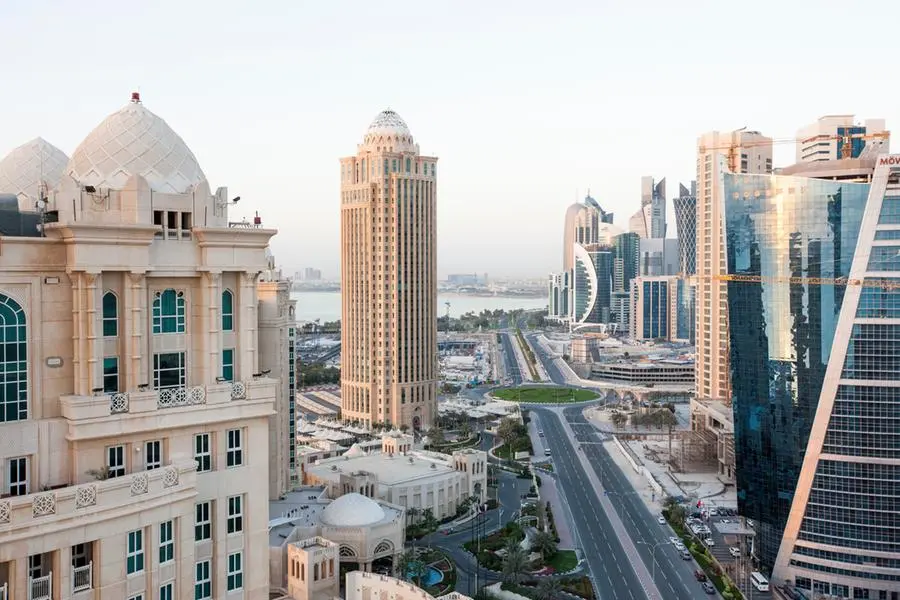
Unlikely to be affected by Iran-Iraq led production, as it focus remains on natural gas exports.
ECUADOR
Smallest OPEC producer is fast becoming "uninvestable". Its latest bid to sell 16 blocks failed to receive an adequate response, and a long drawn-out litigation against Chevron Corp. over environmental damages has kept oil majors away.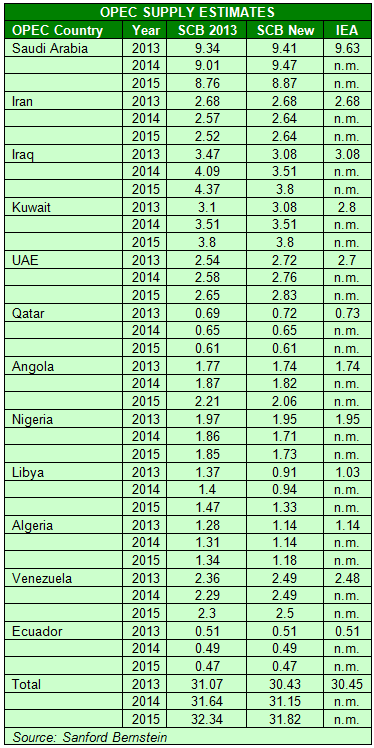
IMF 2014 OUTLOOK
The IMF forecast oil prices at USD 101 per barrel in 2014, which would see OPEC government revenues decline by 4% to reach USD 1.1 trillion, just about covering OPEC governments' combined expenditures.
"Furthermore, in 2015-7 if oil prices stay at USD 101 per barrel and spending continues to rise at the IMF's projected 4% CAGR, then the group would be running an aggregated budget deficit across each of these years, which we take to be a reduction for this scenario - production would need to be scaled back to bolster oil prices, spending would need to fall, or both: i.e. investment in new capacity growth would need to be curtailed."
In addition, global oil demand is expected to rise 1.3 million bpd next year, offsetting some of the ramp up in production.
© alifarabia.com 2014