Moroccan banks are venturing into Islamic banking and new Sub-Saharan markets to quench their thirst for growth as domestic credit demand weakens, but analysts said high-risk markets could pose a significant challenge to the banking sector.
Unlike its North African neighbors, Morocco avoided the worst of the Arab Spring, but has been affected by moves to implement painful social and economic reforms and by slow growth in its largest trading partner, the European Union.
Total assets of commercial banks operating in Morocco declined 1.7% in February compared to the same period last year to reach USD 132.7 billion.
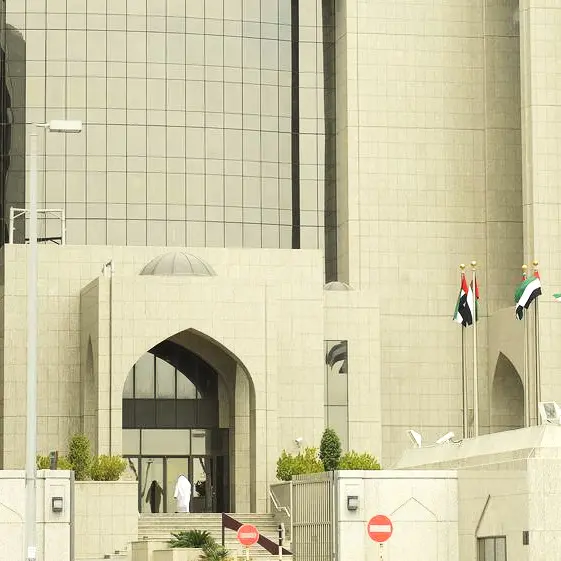
While bank loans to the private sector were up 3% at USD 88.9 billion, working capital lending fell 5% and loans to real estate developers declined by 11% during the month, according Bank Al-Maghrib (BAM), the country's central bank.
Home loans were appreciably higher, while consumer and equipment loans were marginally better during the period. Offsetting the growth were declining loans to the public sector due to economic lethargy.
The Moroccan economy grew 4.5% on the strength of a strong agricultural sector in 2013, but the International Monetary Fund estimates growth at 3.9% in 2014.
The slowdown is mainly due to declines in the mining, manufacturing and construction sectors, combined with deceleration in tertiary activities, BAM said.
"The sluggish growth in non-agricultural activity in 2013 has impacted the urban labor market, which recorded a loss of 32,000 jobs in the fourth quarter and an increase in the unemployment rate by 1.2 point year on year to 14.4%, bringing its rate for the full year to 14%," BAM said.
FOREIGN FORAYS
Moroccan banks have ventured further afield to Sub-Saharan African states but these forays have sometimes proven to be risky.
Attijariwafa Bank, the largest private bank in Morocco, has operations in Senegal, Mali, Tunis, Republic of Congo, Cameroon and Burkina Faso, among others. But in March, the bank blamed an annual 8% drop in net profit due to bad debts in international markets.
Banque Centrale Populaire (BCP), one of the country's top three banks, bought a 50% stake in Togo-based Banque Atlantique, and has operations in Ivory Coast, Benin, Burkina Faso, Mali, Niger and Senegal. The bank took a large provision in its last fiscal year due to domestic bad loans and investments in Africa. Its non-performing loan had risen 18% at the end of December.
BMCE Bank, another major bank, fared much better with net profit rising 33%, but also noted that risky Sub-Saharan markets and domestic bad loans curtailed profits. International operations make up 41% of the bank's operations.
ISLAMIC OPPORTUNITY
Islamic banking, which finally found a foothold in Morocco after approval of draft legislation in January, also offers new growth opportunities for local lenders.
The Moroccan Association of Participative Financiers believe sharia-compliant products could see investments of USD 7 billion in the country by 2018, help expand the banks offering and engage around half of the 33 million Moroccans, who are out of the financial services grid.
"Large current account deficits and declining conventional financing sources are prompting governments from Arab Spring countries to consider opportunities offered by Islamic finance," said Standard & Poor's, which launched a report on Islamic banking's prospects in North Africa.
Attijariwafa has already launched an Islamic unit and other institutions, such as BMCE Bank, have plans to launch Islamic investment banking and Islamic insurance, but are waiting for parliament to sign-off before they can proceed.
Another key focus area is credit lending to small-and medium enterprises, which is crucial to create jobs and spur growth. But this would require a stronger credit reporting system be put in place.
"Despite the setting up of a private credit bureau in 2009, however, Morocco scores poorly compared to other emerging markets on its credit reporting system," the International Monetary Fund said.
"There is also room to improve legal rights with respect to debtors' default and insolvency procedures. Providing better access to credit for SMEs would also help their passage to the formal economy."
FILLING THE LIQUIDITY VOID
For its part, Morocco's central bank has stepped in to fill the liquidity crunch in money markets, and has increased the average daily amount of its interventions by about 20% in the last quarter of 2013, retained its monetary stimulus policy by maintaining its three-month refinancing interventions to MAD 20 billion (USD 2.5 billion), that included MAD 6 billion for SMEs.
"Tight funding conditions and sluggish demand have continued to constrain credit growth," said the IMF.
Loan growth outpaced domestic deposit growth in recent years and despite a slight increase in 2013, the domestic deposit-to-loan ratio remained at 97.3%, well below the 113% reached in 2008. This is exacerbated by the narrow domestic debt markets and the limited resort to external funding.
Non-performing loans (NPLs) in the financial services sector are rising, but analysts believe the risks are manageable and the sector remains sound.
"Banks' reliance on lending activities is likely to weigh on their profitability, though so far it has been resilient, supported by their international activities," the IMF said.
"NPLs have increased from 5.4% in June to 5.8% of total loans as of November 2013, reflecting the slowdown in activity. Moroccan banks fund themselves mainly through domestic deposits, but have started expanding their sources of funding to include the issuance of international bonds."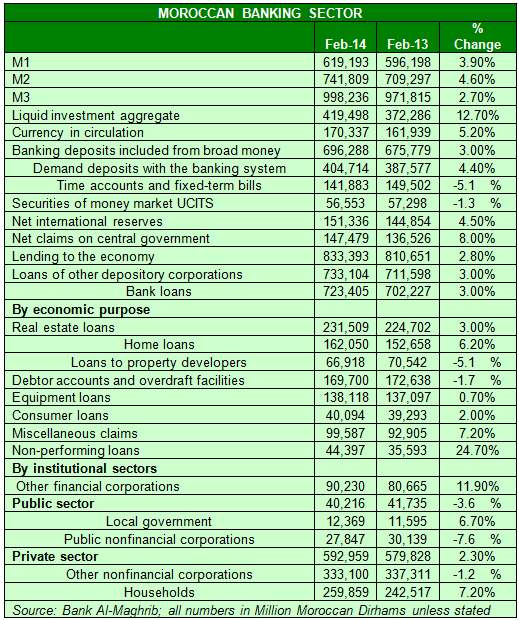
The feature was produced by alifarabia.com exclusively for zawya.com.
Zawya 2014