Two North American oil and gas players have merged their operations in a bid to invest heavily in Egypt and other African states.
Canada-based Caracal Energy Inc. and US-based TransGlobe Energy Corporation announced on March 17 that they have agreed to create a USD 1.8 billion merger that would make them one of the largest independent Africa-focused oil producers.
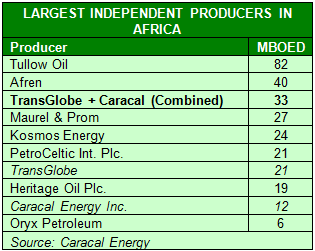
The combined entity produces 17,000 barrels per day in Egypt, 7,100 in Chad and 1,200 in Yemen and is set to expand operations across its operations.
"Clear Africa focus and enhanced scale creates platform [for] future growth in the region," the companies said in an investor presentation. "Management believes there are significant additional opportunities available within Egypt."
The news is seen as widely positive for Egypt, which is struggling to maintain its oil and natural gas output amid a long, drawn-out political crisis.
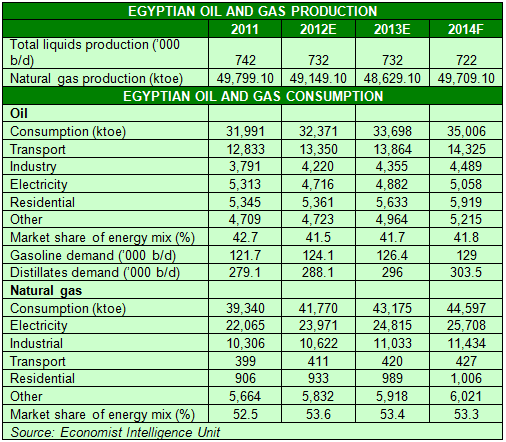
Preliminary Egyptian government data shows crude oil output fell by 1.5% in November and exports fell 1.25% to reach USD 473 million compared to the same period last year. Natural gas production fell 8% and exports declined a whopping 46% in November, compared to the same period last year.
The Economist Intelligence Unit expects Egypt's oil production to decline from 732,000 bpd in 2013 to 677,000 bpd by 2020.
Egypt's soaring energy import bill is exacerbating an already fiscally-fragile economic environment for the country. The country has struggled to pay foreign oil companies USD 6 billion, which has further soured the country's relationship with oil companies.
In late January, UK's BG Group said its output in the country was "disappointing".
"Despite the good progress we have made in 2013, we face short-term issues which are reflected in our revised 2014 guidance," Chris Finlayson, BG Group chief executive said. "This is very disappointing," as the company's Egyptian natural gas output is diverted away from export terminals to the domestic market.
SOARING DOMESTIC CONSUMPTION
The company said domestic diversions stood at around close to 1 billion standard cubic feet of gas per day - or near capacity.
"As a result, BG Group has been unable to meet in full its obligations to deliver gas to Egyptian LNG and given the current levels of domestic diversions and the continued uncertainty around the level of future diversions, BG Group has served Force Majeure notices under its LNG Agreements to buyers and lenders. BG Group remains committed to the Egyptian LNG Project and will continue to negotiate with the Egyptian authorities and other stakeholders to seek a long-term solution."
Rising domestic gas consumption and declining output in the past few years have seen LNG exports take a hit. The EIU believes a further expansion of LNG capacity is unlikely in the current scenario.
BP and BG had also pulled staff from the country last summer after president Mohamed Morsi was ousted by the army.
But there is hope.
Egypt's crude oil reserves have increased marginally, and companies such as US Apache Corp., UK's BP, Eni from Italy and Spain's Repsol continue to operate in the country.
Last year, China's Sinopec agreed to buy a 33% stake in Apache's Egyptian assets for a cool USD 3.1 billion, highlighting that deep-pocketed investors continue to see value in the country's oil sector.
On February 13, the Egyptian oil ministry signed three deals with a combined value of USD 265 million with the UAE's Dana Gas, Ireland's Petroceltic International and Italy's Edison, to explore eight new wells in Northern Sinai in the Mediterranean Sea and Nile Delta regions.
In September, BP made a major natural gas and condensate discovery in the North Damietta offshore concession, which highlighted the prospects of the eastern section of the Nile Delta gas province. Most of the gas discovered thus far in the Nile Delta has been further west and in shallower formations.
CARACAL'S PLANS
Caracal and TransGlobe are looking to target Egyptian Eastern Desert with new exploratory wells and are also on the lookout for new acquisitions.
"Enhanced scale provides a platform for future organic and acquisition growth in Africa, building on core operated positions in Chad and Egypt, with ready access to key infrastructure and export markets," the companies said in a statement.
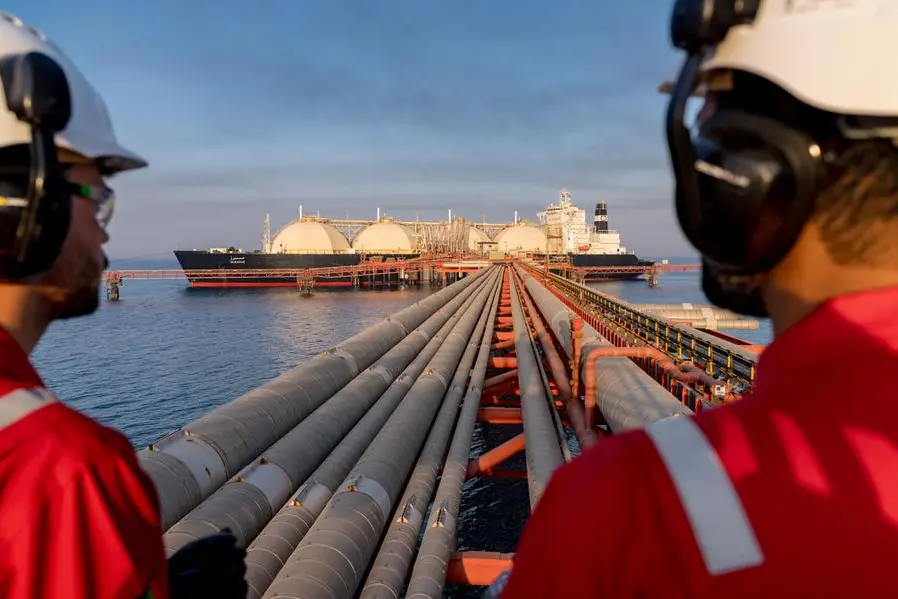
The West Gharib field produces 10,900 bpd from 81 wells, which are exported and refined in Europe and Asia. The companies are also looking to develop infrastructure to enable transportation via pipeline to the Ras Gharib terminal on the Gulf of Suez.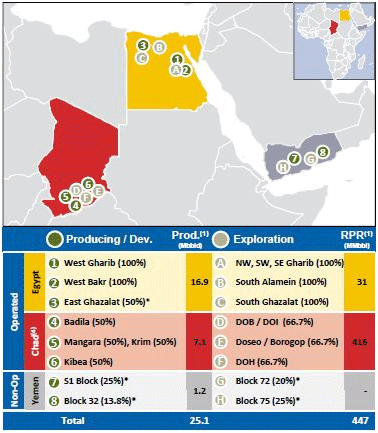
West Bakr field produces 5,600 bpd and is transported by pipeline to the Ras Gharib as well, while new projects include East Ghazalat, Eastern Desert and Western Desert.
The Caracal-TransGlobe merger highlights the underlying strength of the Egyptian oil and gas sector, despite its recent trials and tribulations.
Egypt's proven gas reserves at 72 trillion cubic feet, the eighth largest in the Middle East and North Africa, and the ministry believes there are another 120 tcf of unproven reserves in its onshore and offshore basins.
Egypt's importance as a transport hub and its geographic proximity to energy-poor Europe means major oil companies will continue to keep the faith with the country.
The feature was produced by alifarabia.com exclusively for zawya.com.
© Zawya 2014