While lending conditions in other emerging markets such as China, India and South Africa have stumbled over the past few quarters, the Middle East's oil-exporting countries appeared to see clear skies ahead.
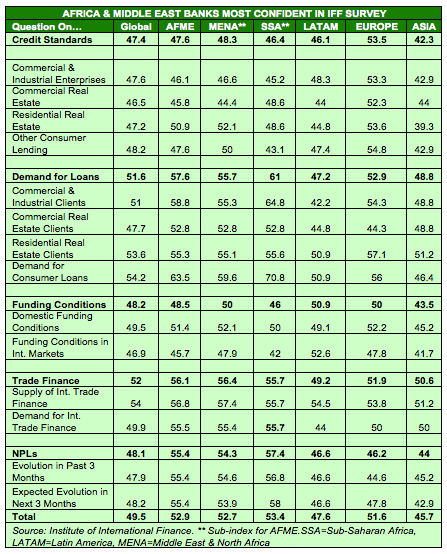
The Institute of International Finance (IFF) says the Middle East was the only bright spot in lending condition among emerging economies.
"Overall lending conditions in AFME [Africa Middle East] continued to improve, reaching the highest level since 2011Q2," the IFF said in its quarterly report.
"Loan demand accelerated further while non-performing loans continued to decline and the tightening of credit standards moderated. However, international funding conditions tightened further and domestic funding conditions improved at a slower pace."
The regional performance bucked the trend as other emerging economies face weaker growth.
The overall composite index of the IIF's Emerging Markets Bank Lending Conditions (EMLC) Survey declined for the first time since the fourth quarter of 2011Q4, and now stands slightly below the 50 mark, underlining how overall bank lending conditions tightened somewhat after improving in the past two quarters.
"International funding conditions tightened, led by Emerging Asia as discussions about a tapering of asset purchases by the Fed increased financial market volatility and dampened capital flows to emerging markets," said the institute. "Domestic funding conditions also deteriorated, mainly in LATAM [Latin America] and Emerging Asia, as asset markets sold off and liquidity conditions tightened."
SURVEY RESULTS
More than 61% of the 60 AFME banks surveyed by the IFF said they had seen an increase in demand for consumer loans, commercial and industrial loans - the highest among other emerging markets. More than 55% of the banks also said they had seen a higher demand for residential loans.
A HELPING HAND
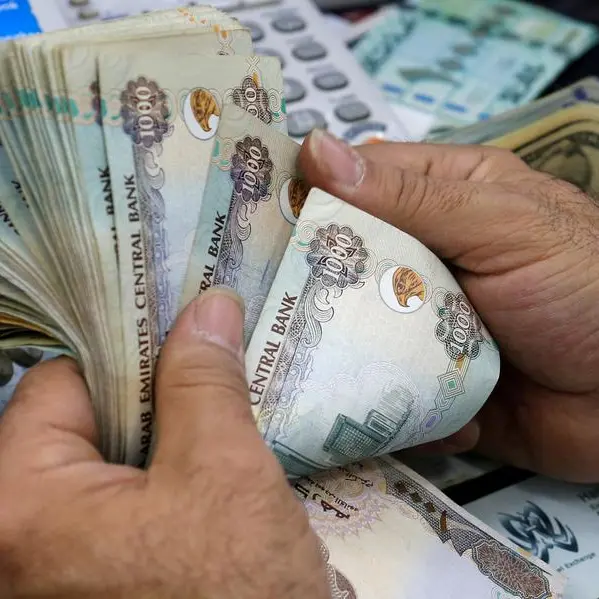
The optimistic outlook gleaned from the IFF survey was evident in the results of Saudi banks. Collectively, Saudi banks saw lending rates rise 3.8% in the second quarter, or 15% year-on-year, as the banks loosened the purse strings.
"This is also in line with the previous two quarters, which in our view reflects the strong demand for credit as well as a healthy underlying macro picture in KSA," according to Audi Saradar Investment Bank in a note to clients. "However, the pace of deposit accumulation continues to underperform lending growth with a 1.2% growth Q-o-Q, which might limit banks' potential for growth, leading to increasing loans-to-deposits ratio."
The surge in lending, of course is driven by low interest rates, which track US Federal Reserve policy as the Saudi riyal is pegged to the American greenback.
"We believe pressure on interest rates would persist and NSCI [net special commission income] growth would remain submissive in the next few quarters," said Global Investment House. "Hence, in line with the US interest rates unchanged for the past four years (near 0%), SAIBOR and lending rates of Saudi banks have also remained lower."
Most of the Saudi banks reported higher double-digit growth in loan book, thanks to strong growth in SME, retail and corporate lending.
"We remain optimistic about the strong loan growth trajectory of Saudi banks, encouraged by the Kingdom's intrinsic growth drivers and significant scope for mortgage and SME lending," Global noted. "In addition to stable government spending, non-oil sectors such as manufacturing and construction act as key drivers for KSA's loan growth."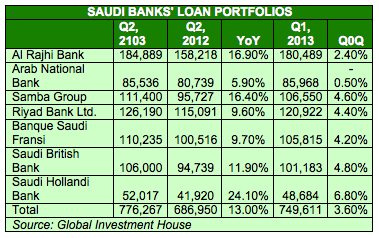
UAE, QATAR CREDITS BULLISH
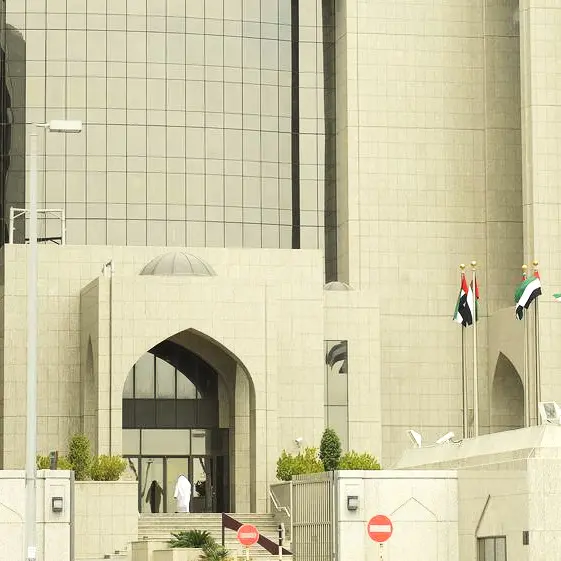
Banks in the UAE also posted strong results in the second quarter as the economy expands and business sentiment improves.
Emirates NBD beat analysts' estimates and posted a robust 50% increase in net profit, while National Bank of Abu Dhabi also saw double-digit growth as the banks' responded to the expanding economy.
Emirates NBD saw net loans grow 11%, while NBAD saw loans and advances surge at both the domestic and international operations, with the private and non-government public sectors leading the way.
First Gulf Bank and Abu Dhabi Islamic Bank also posted stellar returns as lending activity picked up in the country. FGB's net loans shot up 4.5% quarter on quarter, leading to a 7.4% surge year-to-date.
Qatar also saw loan rates climb up, with market leader Qatar National Bank announcing a 6% increase in loans in the second quarter, compared to the same period last year. Commercial Bank of Qatar registered an even higher growth of 18.4% during the period, but also recorded higher provisions for impaired loans.
After years of lethargic growth and painful prudence, Gulf banks are helping fuel the economy. Regional banks are also heeding the call of governments and unveiling new plans and programs to facilitate small-to-medium enterprises, corporations and personal lending.
It is important, though to temper the enthusiasm with prudent lending activities. Perhaps greater scrutiny is required both from government-backed banks and government-related entities to ensure that boom times don't turn into bust.
In a recent report, the International Monetary Fund has warned about rising Dubai debt as the economy improves.
"To pre-empt the build-up of possible new vulnerabilities, we think it is important now to swiftly implement the planned new prudential regulations, both concerning mortgage lending and loan concentration to government-related entities and local government," Harald Finger, IMF mission chief for UAE, said during a conference call.
© alifarabia.com 2013