Kyrgyzstan's economic prospects have brightened after the country appears to have resolved a major issue with one of its largest foreign investors.
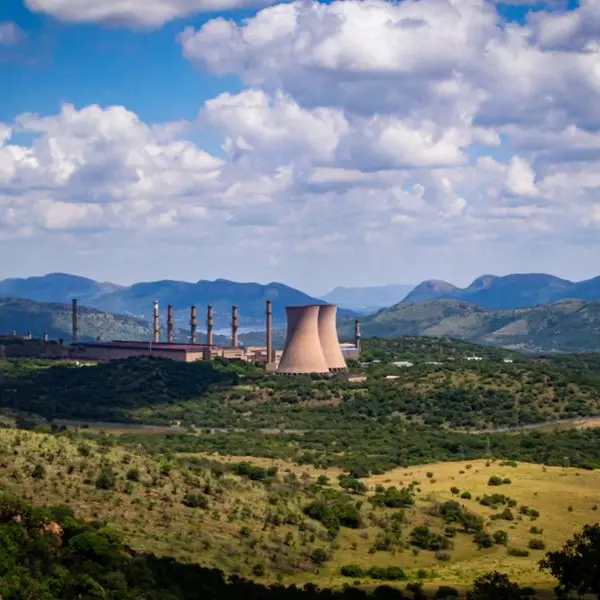
Centerra Gold, the Canadian-based gold miner, which runs the Kumtor mine, the country's largest mine which accounts for 10% of its GDP, came under fire last year after Kyrgyz citizens protested to nationalize the company or seek greater benefits from the company.
On December 24, Centerra said that it had signed a non-binding heads of agreement (HOA) to restructure state-owned Kyrgyzaltyn's stake in the project from 32.7% to 50%. The joint venture has also pledged to increase local procurement by USD 100 million to counter the common belief among Kyrgyz citizens that the project did little to boost the local economy.
But the company warned that the Kyrgyz Parliament had instructed the government to unilaterally initiate, develop and submit a draft law to cancel the project agreements that currently governs the Kumtor Project.
"There can be no assurance that parliament and/or the government will not take unilateral actions, which are inconsistent with their obligations under the project agreements that govern the Kumtor Project. Any such action, if taken, could have a material adverse impact on Centerra's future cash flows, earnings, results of operations and financial conditions."
For now, the operations continue. Indeed, aided by the recovery in gold production, the Kyrgyz economy grew 9.2% in the first half of the year, with the manufacturing sector posting an 18.4% increase in growth.
Non-gold economy also grew 6.1%, with construction and trade responding to strong credit flows to the private sector.
However, government spending was subdued as authorities exercised caution and reined in expenditures.
"Government consumption grew by only 1.2% in the first quarter of 2013, reflecting a relatively tight budget stance, while publicly funded investments made only a modest contribution to investment growth," said the World Bank in a new report.
REGIONAL POLITICS
Kyrgyzstan is also looking to benefit from the geopolitical grab for power between Russia, China and the United States.
Last June, the Kyrgyz parliament ordered the closure of the Transit Centre at Manas, a military installation operated by the United States government. The facility was opened in 2001 to help the US facilitate its troop build-up in Afghanistan, but the military base will close in the summer of 2014.
While Kyrgyz may suffer economically from the end of US operations, Russia and China - which have been pushing for the closure of the facility -- appear ready to aid the Kyrgyz government.
Moscow is expected to provide USD 1 billion in military supplies and is helping Kyrgyz revamp its natural gas and power projects. Russia is also contemplating taking over the military base after the US's exit.
As Kyrgyzstan jockeys for some political leverage, it has also slowed down its accession to the Russia-sponsored Eurasian Customs Union, in the hopes to wring more benefits before its join the group.
Kyrgyz prime minister Zhantoro Satybaldiyev told Russian news agency ITAR-TASS that the Kyrgyz economy was unprepared for the customs onion and may struggle to compete with its fellow members, and said he would seek a fund to help with the transition.
"Kyrgyzstan's entry into the customs union without certain conditions may have grave negative consequences for us," he told the agency. "The other side [Russia, Belarus and Kazakhstan] understands it and we are currently seeking the solution to this problem."
"We certainly favor the integration as there can be no growth in the republic's economy without developing trading relations," Satybaldiyev said. "But we should be protected at least in some ways."
ECONOMIC PRIORITY
Mining makes up 26% of the country's tax revenues, 10% of GDP, and 50% of export earnings and is identified by the government as a pillar of its National Sustainable Development Strategy for 2013-2017.
But mining companies have largely stayed away from Kyrgyzstan given Centerra's continuous problems with the authorities.
Also, given the poor outlook for gold prices, the country may need to look elsewhere for growth.
Private sector and foreign investment is crucial to Kyrgyz's future, as the country suffers from high poverty levels, despite 99% literacy levels. "By international poverty measures, more than one-third of the country's population live below the extreme poverty line of USD 2.50 per day, while about 80% of the Kyrgyz people are moderately poor, living on USD 5 per day," according to the World Bank.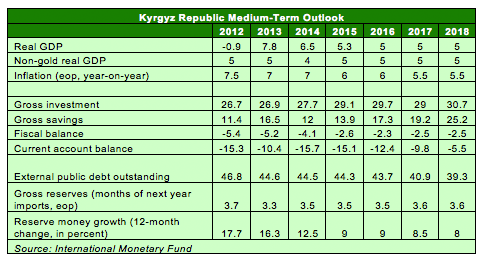
Poverty levels have inched up 1.2% over the past couple of years, suggesting that the country's social reforms need to be accelerated.
To address poverty issues and spur more inclusive growth, the country has embarked on a large public investment program (PIP) to develop infrastructure projects over the next four years.
The country expects to secure USD 1.3 billion in PIP loans, with 60% funded by China. PIP loans of USD 800 million from China were contracted for two projects: construction of an alternative highway from north to south and the Bishkek thermal power plant. Previous PIP loans were contracted for the reconstruction of highways, municipal infrastructure, and the energy sector.
"FDI [foreign direct investment] over the medium term is also mainly from China. According to an agreement signed during the visit of the Chinese president to Bishkek in September 2013, China will allocate an additional USD 2.2 billion in FDI to invest in public infrastructure over the coming four years," said the International Monetary Fund.
Of these, USD 1.4 billion will be used for building a gas pipeline from Turkmenistan to China, for which the Kyrgyz Republic will receive royalties from China after the pipeline starts operating.
Income from the pipeline is expected to range from USD 35 million starting in 2017 to up to USD 70 million, according to estimates. The remaining USD 800 million will be allocated to improving an oil refinery.
However, the IMF expects the impact of these developments on the real economy to be limited.
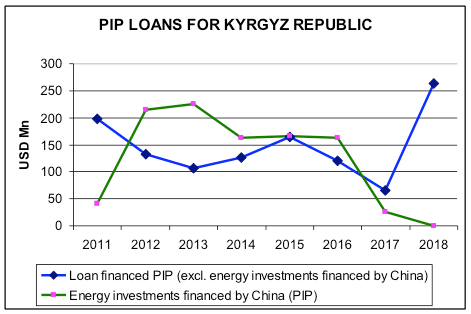
"Based on the operation of the existing PIP projects funded by China, the major contractors of the projects are Chinese companies and the majority of skilled labor comes from China, construction materials are also mostly imported," the IMF said. "The impact on the domestic economy is mainly through hiring unskilled labor and daily supply of goods and services to the contractors, such as food."
ECONOMIC CHALLENGES AHEAD
Even as inclusive growth remains elusive in Kyrgyzstan, the country may see other headwinds as well. Lower gold prices could see a contraction in government revenues, while the security situation in Afghanistan could also impact Kyrgyzstan once the NATO troops withdraw from the war-ravaged country.
"The economy also remains vulnerable to global oil and food price shocks, which could raise imports and inflation, and could also be hit by further disruptions in gold production and lower gold prices," the IMF said. "These shocks would aggravate external vulnerabilities by putting pressure on international reserves."
© alifarabia.com 2014