Jordan is looking to attract religious tourism to its holy sites in the hope of unlocking new revenue streams and jobs for the economy that's come under pressure due to regional troubles.
The Jordan Tourism Board recently announced it intends to launch a religious tourism initiative to attract Christians and Muslims.
"The board launched a campaign to promote Islamic tourism in Jordan and attract tourists from Muslim countries, especially from Malaysia and Indonesia, given that Jordan is a base and a gateway for holy Muslim and Christian shrines," said Abdul Razaq Arabiyat, the managing director of the Jordan Tourism Board, in a statement.
Jordan can draw upon a rich tapestry of religious and historical sites that makes it a unique destination and could help revive the industry and secure new investments. The country has more than 40 Islamic and more than one hundred Christian holy sites, according to scholars.
A major weakness of Jordan's tourism infrastructure itself, however, is the lack of connectivity between the holy sites, wrote Malek Bader, a scholar, in a report. There is a dire need to create trails that will connect the sites together to make them more accessible to tourists who want to see all the sites in a timely and efficient manner.
"Travel agencies actually list only a very small number of the existing holy sites, either Islamic or Christian, in their programs," Bader said. "On an international level, while Jordan's physical proximity to other countries with rich religious heritage is an advantage, this level of connectivity could also bear a considerable potential for improvement."
The government is moving to address some of the issues. Nidal Qatamin, Jordan minister of tourism and antiquities, recently told the local media that the government has signed agreements with the Palestinian Authority to develop a joint Jordanian-Palestinian tourism initiative with the aim to attract religious tourists who come to the Levant and Saudi Arabia.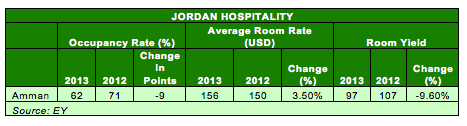
TOURISM: AN ECONOMIC PILLAR
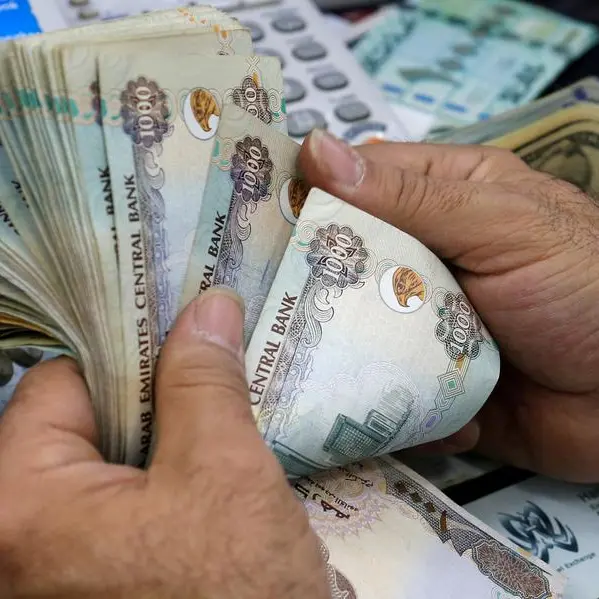
Tourism contributes 13% to the country's GDP and 6% of its workforce and the government is keen to leverage enduring attractions of the Dead Sea Valley, Petra and numerous historical sites peppered across the country.
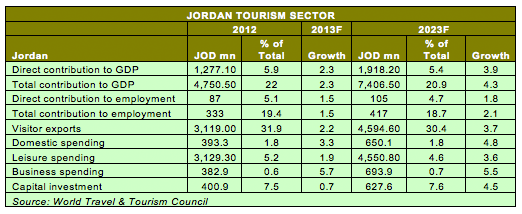
"The direct contribution of [travel and tourism] to GDP in 2012 was JOD 1,277.1 million (5.9% of GDP). This is forecast to rise by 2.3% to JOD 1,306.6 million in 2013," according to the World Travel Tourism Council.
"This primarily reflects the economic activity generated by industries such as hotels, travel agents, airlines and other passenger transportation services (excluding commuter services). But it also includes, for example, the activities of the restaurant and leisure industries directly supported by tourists."
The direct contribution of travel and tourism to GDP is expected to grow by 3.9% pa to more than JOD 1.92 billion (5.4% of GDP) by 2023, the WTTC estimates.
The sector currently employs a little more than 80,000 people directly and that figure is expected to rise to 105,000 within a decade, at a growth rate of 1.8% per year.
Capital investment in the sector stood at JOD 403.7 million last year, 0.7% higher than the previous year.
TROUBLED NEIGHBORHOOD
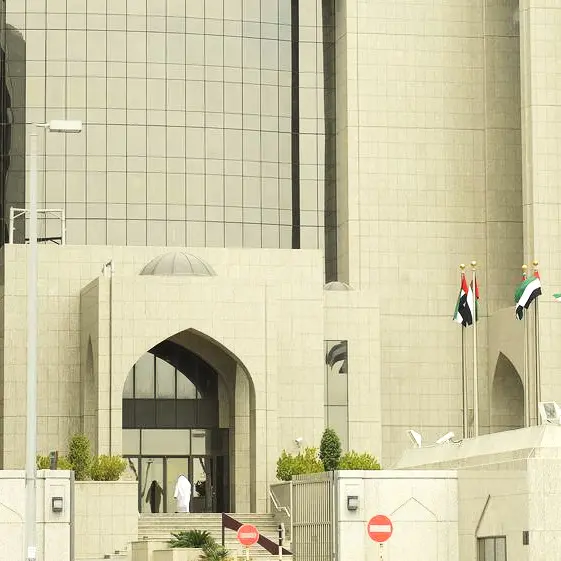
Jordan's neighbors Syria and Iraq are going through a period of crippling instability - and while Jordan remains stable, the Syrian civil war has taken its toll on the Jordanian economy, as Jordan's financial resources are strained to cater 1.2 million Syrian refugees that have crossed the border.
The International Monetary Fund says Jordan's economy is turning a corner.
"Growth is expected to increase to 3% in 2013 from 2.7% in 2012, the 12-month inflation rate is projected to drop below 3% by end-2013... and the current account deficit is narrowing substantially.
Still, the external environment remains difficult, with the conflict in Syria weighing on Jordan's economy, and gas inflows from Egypt subject to potential disruption."
"Syrian refugees are bound to affect growth by, I would say, at least [2%]," said Ziad Fariz, the Jordanian Central Bank governor. "We would have had [5%]. Despite this, I think the economy will continue to grow by about 3% more or less, 3 to 3.5%."
Unemployment in Jordan stands at 11%, a figure that has come down from 14% earlier in the year.
While Jordan's effort to push religious tourism is commendable, it remains a risky proposition.
"Many of the problems which face religious tourism and holy sites in Jordan are cultural and political: There are conflicts regarding doctrine and interpretation between Shi'a and Sunna Muslims, and of course deep political conflicts between Christians and Jews concerning the status and interpretation of the Holy Land," Bader wrote. "These religious and political conflicts present a set of challenges which are not within the range of the tourism industry to address."
In addition, the government will need to invest heavily to maintain the sites, create tourism infrastructure around the sites and build accessible links not just within the country but, wherever possible, also in Palestine, Iraq and Saudi Arabia.
That would help promote a vibrant region-wide religious tourism sector, once the regional troubles subside.
© alifarabia.com 2014