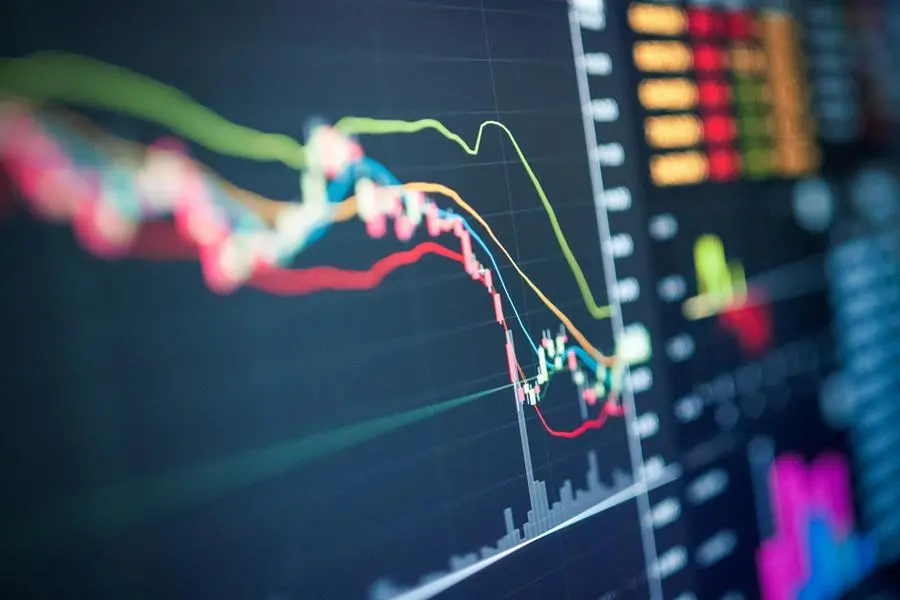
Brent oil prices jumped more than 7% on Friday on EU action, but they still remain nearly 10% down for the year on poor global economic sentiment.
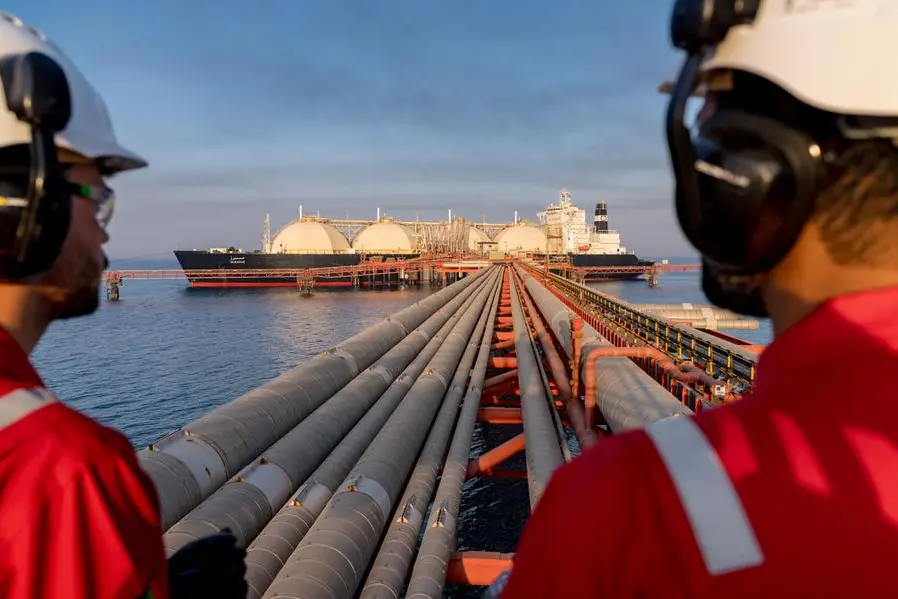
After falling for weeks, oil was propped by the prospect of a solution to the storied EU crisis and also braced for the EU sanctions on Iran from July 1.
The downturn in the global economy has helped Western nations and its allies Saudi Arabia to isolate Iran from the oil markets but still keep crude prices from boiling over.
"We maintain our view that the imminent tightening of Western sanctions on Iran is unlikely to have anywhere near as large an impact on global oil prices as many had feared," said Julian Jessop, chief economist at Capital Economics. "Demand is weakening and other suppliers are both able and willing to meet any shortfall."
Admittedly, much could still depend on how the Iranian regime chooses to respond. But with lower global oil prices further strengthening the bargaining position of the Western powers, Iran could eventually make concessions on its nuclear programme required to allow sanctions to be eased, noted Mr. Jessop.
Last year, Iran exported a total of 2.5 million barrels per day, and most analysts expect 1.5 million barrels per day to be affected by the sanctions.
This would be less than 2% of global supply, but in a tight market any such reduction could still have a significant impact on prices. Libya, for example, produced around 1.5 million bpd in 2010, and the loss of almost all this supply was a major factor behind the surge in oil prices in the early stages of the Arab Spring in 2011.
However, we are in a downturn market, and with spare capacity in Saudi Arabia, and rising production in Iraq and Libya, lost Iranian supply could easily be met, say analysts.
U.S. MASTERSTROKE
The United States' balancing act of applying crippling pressure on Iran without hurting its oil customers has been a masterstroke of planning and co-ordination. Indeed, the U.S. has exempted 20 economies from its financial sanctions and has still managed to keep up the pressure on Tehran.
China, Iran's biggest client has reduced its imports, as has other key importers such as India, South Korea and Japan, apart from 10 EU nations.
"Their cumulative actions are a clear demonstration to Iran's government that Iran's continued violation of its international nuclear obligations carries an enormous economic cost," said Secretary of State Hillary Clinton in a statement.
"Iranian crude oil exports fell to 1.6 million barrels per day in April (the last month for which complete data is available), down from 2.3 million bpd in the year prior," said Trevor Houser, analyst at the Rhodium Group.
"This is a steeper and quicker drop than most analysts expected at the start of the year. While Chinese imports rebounded in May and are likely to hold steady in June as well, overall Iranian exports will still be at, or slightly below, 1.6 million barrels per day at the end of the second half."
At the same time, the Western allies have also kept diplomatic doors open for Iran, via the so-called P5+1, or the five UN Security Council members, plus Germany. Although the various rounds of meetings have met with no success, the Western allies appear to give Tehran the option to seek compromise.

IRAN'S HURTING
Iran's revenues are hurt badly at the loss of at least 700,000 bpd of supply being blocked from the market.
If the National Iranian Oil Company (NIOC) was paid its official selling price (OSP) for every barrel exported in April and was paid in a timely manner, Tehran earned USD5.6-billion in monthly oil revenue, down from USD8.4-billion in April 201. If exports remain at 1.6 million bpd through June, maximum monthly revenue will decline to USD4.3 billion, a nearly 50% year-on-year decline, estimates Mr. Houser.
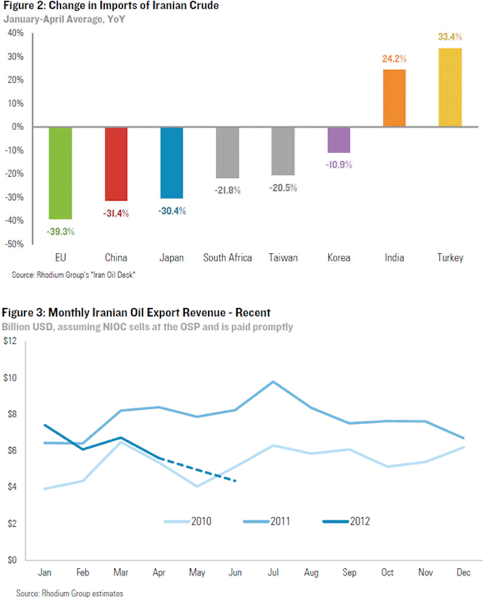
"It's unlikely NIOC is getting its full asking price or being paid promptly: Iran's customers have considerable leverage over price given the inherent political risk of doing business with Tehran, banks and shipping companies have increased transaction costs, and oil paid in Indian Rupee or RMB through barter accounts comes with a significant implicit discount," said the Rhodium analyst.
That said, USD4 billion per month is still more than Iran earned any time between 1982 and 2005, so the question for policymakers is whether it's enough of a reduction in light of current Iranian revenue needs and social and political dynamics to get the desired concessions from Tehran.
Iran has been trying to sell oil under the radar by changing the registration and appearance of its oil tankers. Media reports suggest that at least 15 Iranian oil tankers now fly the flag of the Tuvala, a tiny island in the Pacific.
Tehran has also re-registered other tankers and changed their names to avoid suspicion. In many cases Iranian tankers are also known to have switched off their transponders to travel undetected.
The Economist Intelligence Unit expects the Iranian economy to contract by 1% in 2012 and another 2013 as the Iranian authorities cut back on oil production and Western sanctions make their presence felt across the entire Iranian economy.
"Iran's economic prospects are poor," notes the EIU. "Real GDP growth over the whole forecast period will be held back by tougher sanctions, subsidy cuts and overall declining oil production."
The Iranian prospects could only improve if the regime strikes a deal to ease sanctions or the global economy sees a sharp upturn, raising oil demand.
Russia and China may offer limited help to Iran. President Ahmedinjad also faces domestic pressures with inflation running at around 24% and lower oil revenues impacting the government's plan to raise expenditure.
The Iranian parliament approved a budget expenditure of USD462 billion assuming a price of USD85 per barrel.
The budget approved by parliament is larger than the plan submitted by Mr Ahmadinejad to the Majlis in February, notes EIU.
"The increase in expenditure is most probably based on an Iranian assumption that higher oil prices in 2012 will allow it to meet wider expenditure commitments. However, as it appears likely that there will not be a diplomatic solution to Iran's nuclear dispute prior to the implementation of an EU ban on imports of Iranian oil, actually selling enough oil to meet its spending needs will be challenging."
The noose around the Iranian government is tightening, as its clients look elsewhere to sell its crude as most economies are expected to cut off.
"That leaves China as Tehran's only hope for defending current export volumes," notes Rhodium Group's Houser. "Should the market tighten, Beijing's refusal to buy distressed Iranian spot cargos will have a more significant impact on global prices, in which case the cost-benefit analysis would change. But given the price Chinese traders would likely pay for those barrels, it wouldn't necessarily provide that much revenue relief for Tehran."
MILITARY MISADVENTURES UNLIKELY?
Despite its rhetoric, Iran is unlikely to launch attacks or disrupt oil supplies, given the regime's core desire to survive. In any case, both the UAE and Saudi Arabia have found alternative routes to the Strait of Hormuz, and the storage of oil supplies from Asian suppliers over the past few months, means that even if Iran could attack oil supplies, it would mean short-lived pain for the global economy but suicidal for the long-term prospects of the regime.
As of now, though, Iran will not risk taking action that would bring on a military attack on its homeland by its enemies; Iranian security officials know that there are decided advantages in provocative actions, but they also fear that they would not be able to control the outcome of such a war, says Richard Dalton of Chatham House.
"Iran is a rational actor and will be deterred from attacking others, from engaging in largescale subversion or terrorism, and from taking hostile action (other than in self-defense) against international assets such as the Strait of Hormuz," notes Mr. Dalton. Ayatollah Khamenei may be willing to endorse a more constructive policy after the next Iranian presidential election. The P5+1 should be ready with a more flexible approach."
CONCLUSION
The people of Iran will likely be the biggest victims of the western sanctions and despite Iran's best efforts to dodge the western sanctions, the world seems to be slowly reducing its dependence on Iran - at least for now.
© alifarabia.com 2012