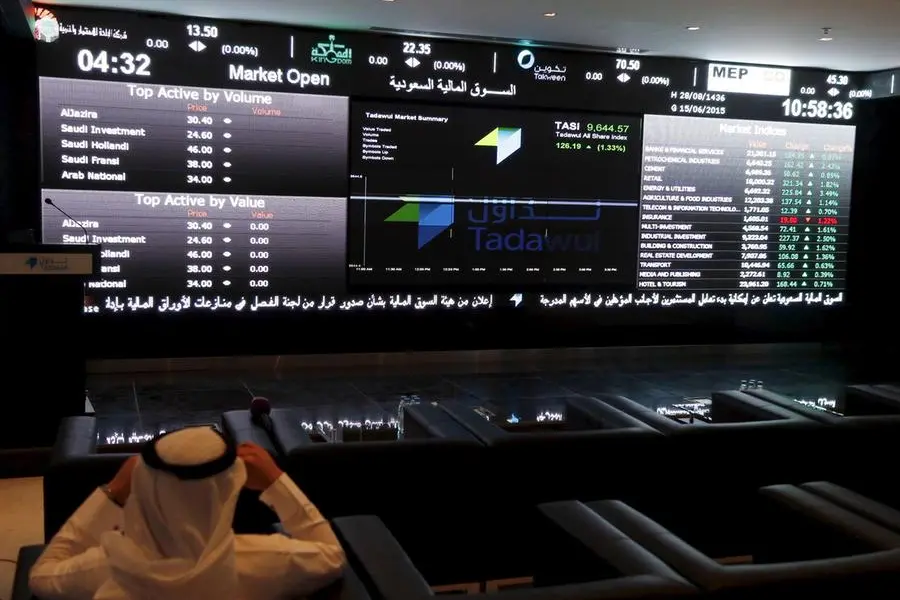
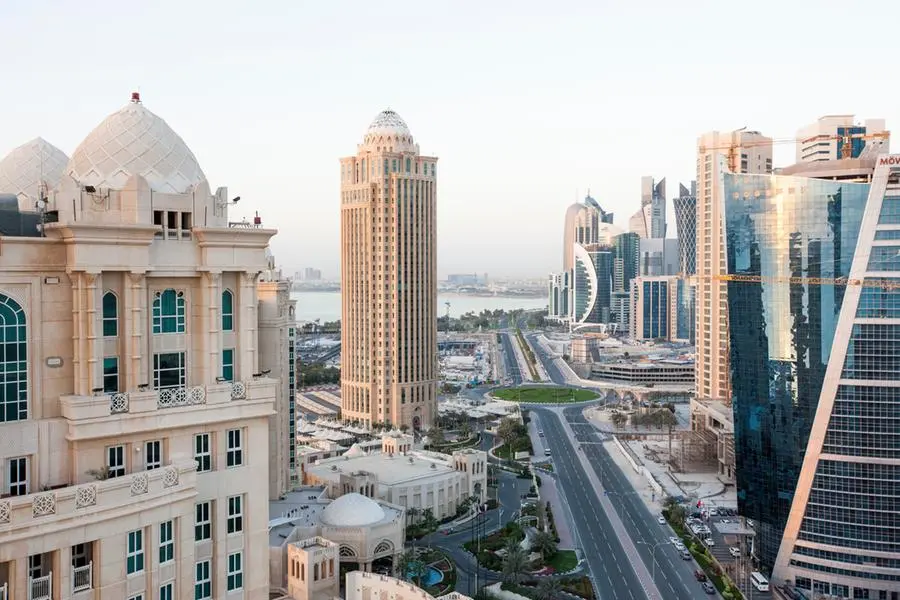
The discrepancy is obvious: Muslims make up 23% of the global population, but Islamic finance assets make up a mere 0.67% of the global financial asset base.
The figures reveal the underlying point that Islamic banking has barely scratched the surface of its potential.
"The wide divergence between these two percentages is due to relative Muslim/non-Muslim wealth levels and also the reality that many Muslims do utilize conventional finance," wrote Mohammed Amin, an Islamic finance consultant in a report by Simply Sharia Limited.
"However changes in both factors have propelled the growth of Islamic finance over the years and I expect this trend to continue as Muslims become richer and their readiness to use conventional finance diminishes."
Asian Development Bank's president Takehiko Nakao remarked at an Islamic banking conference in early November that Islamic finance is one of the fastest growing segments of the global financial system.
"In several of our development markets - including Bangladesh, Indonesia, Malaysia, and Pakistan - Islamic finance systems have already become well-established. Others - including the Philippines and several Central Asian countries - are looking to establish such systems of their own. In fact, the majority of the world's Islamic finance activity is occurring in ADB's member countries."
ISLAMIC FINANCE CHALLENGES
The challenge for Islamic finance is not just on the demand side, but also on the supply side. The industry can only offer innovative products and services and expand its reach with the right quality and quantity of professionals operating in the industry.
There is a serious dearth of qualified Islamic finance personnel. Estimates show that Islamic finance will require 50,000 professionals by 2015 across the world.
Humphrey Percy, chief executive of Bank of London and Middle East says, "The lack of a large Islamic finance talent pool becomes particularly apparent for banks that offer as many different products and services as BLME does."
Key Islamic hubs will require thousands of people to fuel growth, estimates show. Malaysia, one of the most established Islamic finance destinations, will need 40,000 additional qualified people by the end of the decade. Indonesia, another populous Islamic country will need 17,000 people over the next few years alone as its Islamic finance industry shifts up a gear. It is already short of roughly 37,000 professionals.
"Approximately 7,800 new jobs will be created at Islamic banks in the UAE by 2015 assuming current asset concentration ratios remain," Simply Sharia Ltd. said in a recent report highlighting human capital challenges, featuring a series of columns from noted Islamic practitioners.
"Projection that another 500 jobs will be created by 2015 in other Islamic financial services segments in the UAE. By 2015, the Islamic financial services sector in the UAE will double in size from approximately 10,000 employees currently to 20,000."
UAE'S ISLAMIC ECONOMY AMBITION
The UAE's human resource needs are also set to rise further if it can fulfill its ambition of becoming a Shariah hub that goes beyond the financial services sector.
In October, the emirate announced an ambitious plan to develop an Islamic economy encompassing halal products, education and tourism. Dubai is hoping to capture a piece of the USD 8 trillion global Islamic economy, but finding the right professionals will be crucial in achieving that ambition.
"I am optimistic about the success of the Islamic economy sector and about placing Dubai on the international economic map as the global destination of choice that provides Islamic products, finance and services as well as raising the standards for the management and quality of this sector to new levels," said Sheikh Mohammed bin Rashid Al Maktoum, vice-president and prime minister of the UAE in a statement.
Of course, London, Kuala Lumpur and Manama also have similar designs, and the battle to attract the cluster of Islamic finance and wider Islamic economy will mean Dubai and the other jurisdictions will have to raise their game in attracting the professionals and create the right environment for the economy to flourish.
DEEPENING THE SCHOLAR'S POOL
Zawya.com data shows there are around 400 Islamic scholars well-versed in Islamic finance, with just around 20 scholars considered to be head and shoulders above others.
But institutions remain reluctant to recruit new faces as advisors, wrote Yasser S. Dahlawi, CEO and founder of Shariyah Review Bureau said in his Simply Shariah column.
"Some institutions feel new and younger scholars could hamper the credibility and marketability of their products, services and inevitably their image. This argument does not carry much weight with the predominant viewpoint, especially as most industry insiders understand the urgent need for a credible route plan for those aspiring to enter this profession, which currently is dominated by a few elite."
He recommends Accounting & Auditing Organization for Islamic Financial Institution (AAOIFI) or Islamic Financial Services Board (IFSB) should develop mentorship programs and internships - similar to legal and medical professions - to encourage a fresh batch of Shariah scholars to enter the industry.
Another key aspect of training of religious scholars is "commercial awareness".
"There are only few scholars who can advise on Islamic finance and insurance in the modern business world," says Sheikh Zubair Miah, Shariah scholar at Cobalt Underwriting. "To be an effective scholar in Islamic finance and insurance, s/he must complete a third requirement: commercial awareness. Having commercial awareness of the conventional world is vital."
After a lull during the global financial crisis, many jurisdictions are looking to revive efforts to develop and deepen the Islamic finance sector. But even as the industry focuses on sukuk, takaful and expanding the halal product portfolio, the development of professionals that will be tasked to manage these products and services will be a crucial aspect that will determine the industry's success.
© alifarabia.com 2013