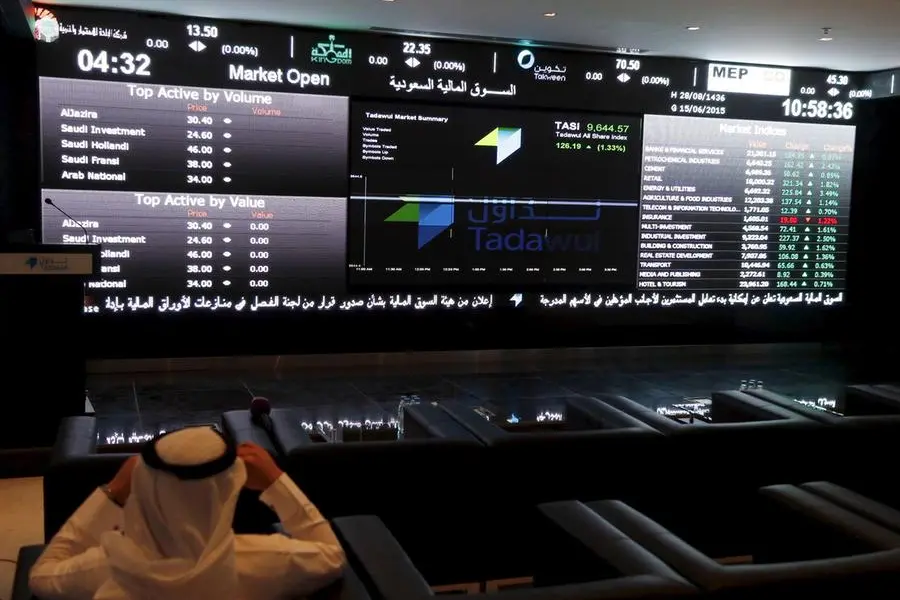
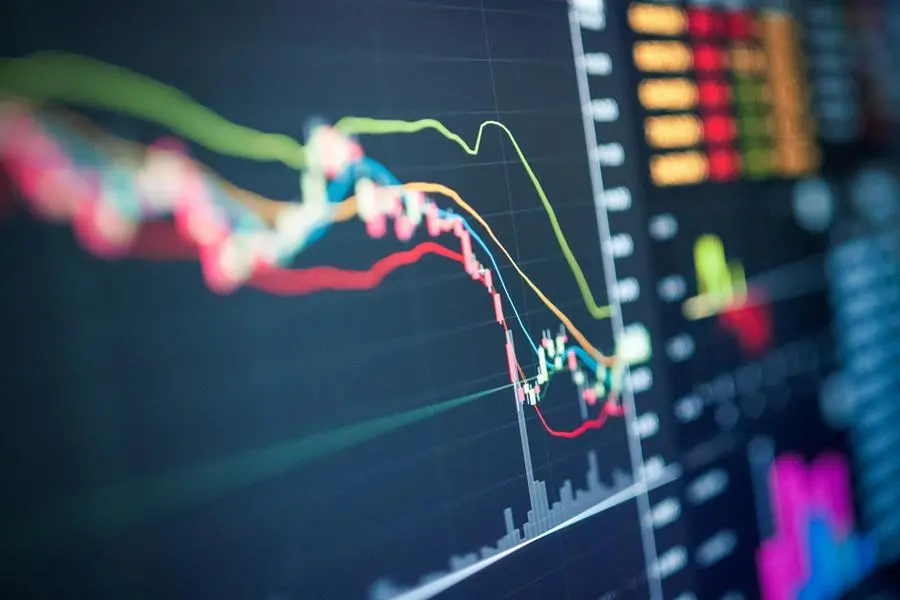
The Tehran Stock Market has soared 133% year-to-date as Iranian investors
are hoping that their new president will be able to strike a deal with Western powers over the country's nuclear program.
Iranian investors are pulling out from safe haven such as gold, dollar and real estate to return to the country's financial markets, with banking and oil and gas companies enjoying the biggest surge. Bank Saderat Iran had risen 142% till December 24, while Parisian Oil & Gas Co. was up 87% year-to-date.
New Iranian president Hassan Rouhani has injected in a wave of new hope in the Iranian economy that had been crippled by Western sanctions, apart from the disastrous policies of his predecessor Mahmoud Ahmadinejad.
Rouhani has been able to secure a six-month interim deal with P5 +1 (United States, France, United Kingdom, China, Russia and Germany) to freeze nuclear activity in return for access to USD 7 billion of frozen Iranian funds.
Both sides have pledged to work towards a lasting deal during the period.
CRIPPLING SANCTIONS
While Iran has been subjected to UN sanctions over the past few years, the US and European Union sanctions had effectively cut Iran out of the global financial system.
The country was unable to trade its most precious commodity - oil, and had seen its output drop by 1.1 million barrels per day. Exports had fallen 32% while imports declined 16% last year.
The Institute of International Finance estimates that official reserves fell by USD 11 billion to USD 85 billion. The Iranian rial has also taken a hit, falling to IRR 35,700 per US dollar in March, compared to IRR 18,776 last year, leading to an inflation rate of 30.6%. Since the election of Rouhani, the rial has eased back to IRR 29,700 per US dollar.
Not surprisingly, GDP contracted 5.6% in fiscal year 2012/13, as export and import restrictions took their toll on the Iranian economy and began hurting the Iranian middle-class.
Nominal GDP fell from USD 499 billion in fiscal year 2011/12 to USD 381 billion in the latest fiscal year, as business confidence evaporated.
The ratio of non-performing loans is now over 20%, while interest rates have failed to keep up with inflation.
SCENARIO 1: WHAT IF SANCTIONS ARE LIFTED?
The Iranian authorities are keen to restore the Persian country's standing in the global economy, and have shown a strong urgency to restore ties. Iranian officials also recently met with CEOs of major oil companies as they look ahead towards normalcy and lifting of sanctions.
The IIF notes that the agreement on a comprehensive accord with Western powers could lift Iran's real GDP by 3.7% in fiscal year 2014/15 and 4.2% in 2015/16, taking it close to its 2011/12 level.
Hydrocarbon revenues will soar 12% in 2014/15 and another 15% in 2015/16, as Iran raises production to 2.8 million barrels per day and 3 million bpd, respectively.
"Similarly, capital outflows could reverse course," the IIF said. "In particular, foreign direct investment into the energy sector, long starved for investment and technical know-how, could return and eventually help Iran raise oil production even beyond pre-sanctions levels. In this connection, Iran could begin to enlarge its role in the global energy markets with important implications for other major producers in the region."
The authorities, however, would be wise to use this momentum to institute reforms, which are crucial to unlock the country's potential.
Even without the sanctions, the country remains riddled with bureaucratic hurdles that are stunting growth in the private sector.
"The task of undertaking fundamental reforms would not be easy as powerful vested interests would resist any diminution of their entrenched economic interests," the IIF said. "Other political forces within the country may also view economic reforms signaling a more liberal and open economy as a wedge into political reforms which could be viewed as posing a threat to the dominant political order."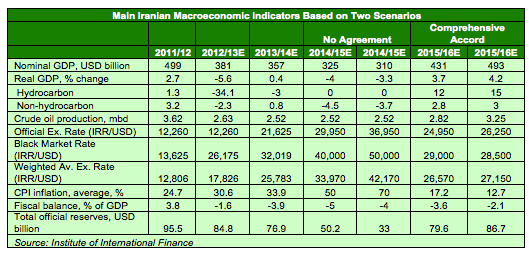
SCENARIO 2: NO DEAL
Given the vested interest of forces on both sides, there is an equally strong likelihood that Iran and Western powers fail to reach an agreement. A stalemate could lead to greater uncertainty in the region, especially if Israel takes unilateral action against Iran.
"Failure of the negotiations would likely bring about further sanctions against Iran, which would cause even deeper damage to Iran's economy," said the IIF.
Apart from raising crude oil prices, thereby hurting global growth, the absence of an agreement would send the Iranian economy falling 4% in fiscal year 2014/15 and another 3.3% in 2015/16.
Crude oil production will stall at 2.52 million bpd, while the Iranian rial would soar to 50,000 per US dollar in the black market. Inflation could soar to 70% by 2015/16, the IIF estimates.
While hydrocarbon sector will remain flat, even the non-hydrocarbon sector would fall 4.5% and 3.7% in the following two years.
Regional countries will also feel the impact either way. The lifting of sanctions could send crude oil prices lower, but also benefit countries like the UAE, which have strong economic ties with Iran. However, a stalemate could send oil prices higher and also raise the political tensions in the region.
© alifarabia.com 2013