Oman's public spending levels are rising at a brisk pace, pushing the country's budget breakeven oil price to USD 103 per barrel, compared to USD 67 two years ago, according to Citibank estimates.
Public expenditure stood at 51% of GDP by the third quarter of the year, compared to 31% in 2011. Current expenditure is up 10% while subsidies have also risen 8% at a time when crude oil prices are scaling back.
The Omani authorities raised government spending to successfully fight off domestic unrest in the first wave of Arab Spring in 2011, but it has come at a price. Defense and civil ministries now account for 90% of expenditure as the government recruited nationals into the bloated public sector to stave off protests.
The government plans to create 56,000 jobs with 36,000 in the public sector including the military forces, and another 20,000 in the private sector.
"This has increased the vulnerability of government finances to fall in oil prices, as a drop in revenues would expose large deficits," said Citibank.
Oman's 2013 budget current expenditure and investment expenditure will result in a budget deficit of USD 4.4 billion for 2013.
"Government finances will remain vulnerable to changes in hydrocarbons prices, as illustrated in 2009, when oil prices slumped and the budget swung into deficit," said Global Investment House.
"Total debt stood at USD 3.3 billion at the end of September 2012, up 2.3% compared to the end of December 2011," the Kuwaiti bank said. "While total domestic debt increased to USD 1.4 billion from USD 1.2 billion in 2011, external debt declined by 2.7% during the same period."
Job creation a priority
The government has been looking to diversify away from oil revenues for more than a decade, but the effort has gained urgency as Oman looks to create desperately needed jobs.
The government has initiated an expansionary fiscal policy for 2013-2017, with emphasis on capital spending. An OMR 12.9 billion capital investment plan is on the agenda with special focus on manufacturing and tourism.
Oman will see the addition of 2,000 hotel rooms by the end of the year as the sultanate aims to exploit its natural tourism potential.
Oman's central bank has also instructed financial institutions to apportion 5% of their loan books to encourage the small and medium enterprises and local entrepreneurs. The country also implemented high minimum wage limit and restrict foreign labor to increase local employment opportunities.
"Furthermore, the government earmarked Duqm as the next growth city with investments worth USD 15 billion in petrochemical and infrastructure projects over the next 10 years. Other investments include railways (USD 13 billion), airways and port operations near the border with Yemen," said Global.
From oil to LNG
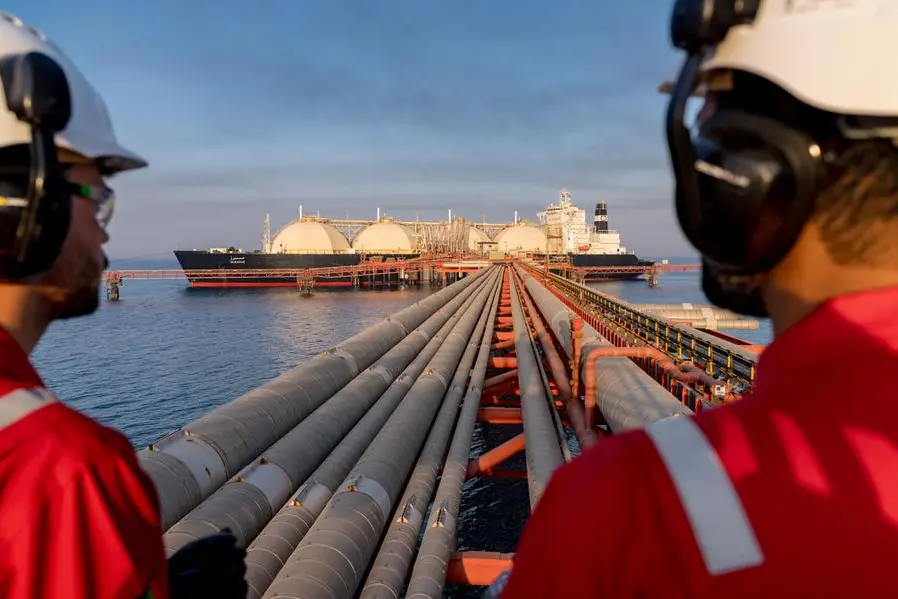
The country's liquefied natural gas production is also expected to rise to improve the country's export prospects.
Oman's crude oil production of 900,000 barrels per day is expected to rise incrementally to 1 million bpd in a few years.
The authorities are working on three major projects to offset output declines and extract production of an estimated 200,000 barrels of oil per day by 2020 at an investment of more than USD1 billion each.
"Oman requires increased natural gas supplies to meet the growth in its domestic consumption as well as its enhanced oil recovery projects (using gas to ease crude oil flows) and LNG export obligations," said Oman Arab Bank in a report.
"Present production at approximately 3400 million cubic feet per day (cfd) is expected to rise to 4700 cfd by 2019 largely resulting from the Khazzan tight gas exploration being developed by British Petroleum at an estimated cost of USD 15 billion. Petroleum Development Oman presently supplies the country with over 90% of its gas requirement, mainly accrues from non-associated gas fields."
The efforts are part of Oman's Vision 2020 goal to reduce oil dependence by 9% and raise natural gas' production by 10% by that time.
The International Monetary Fund (IMF) expects the country's real gross domestic product to rise 4.2% in 2013, compared to 5% last year. The IMF estimates growth will pare down further to 3.5% in 2014.
The government hopes to accelerate growth by funding infrastructure projects such as airports, ports, roads, as well as developing the industrial estates, water and wastewater projects.
Muscat-based United Securities says the government plans to "partially finance the deficit of the budget through issuing development bonds in the market, to encourage the domestic saving, and [by] enhancing the efficacy of utilizing the domestic savings in the local market."
Oman's minister for Financial Affairs recently told reporters the government may issue a dollar-denominated bond next year.
The GCC's financial aid of USD 10 billion over 10 years will also help alleviate fiscal pressures on the Omani government. United Securities estimates some of the financial aid will be spent on a railway project, the Al Battinah express road project, electricity and water projects and infrastructure development in the Duqm region.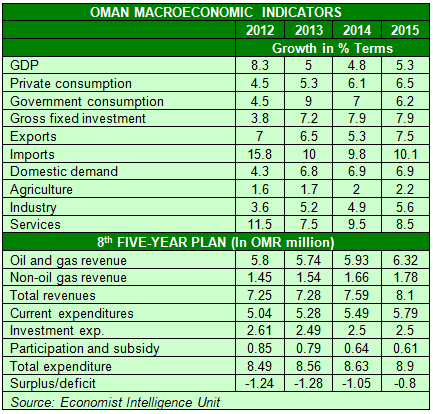
© alifarabia.com 2013