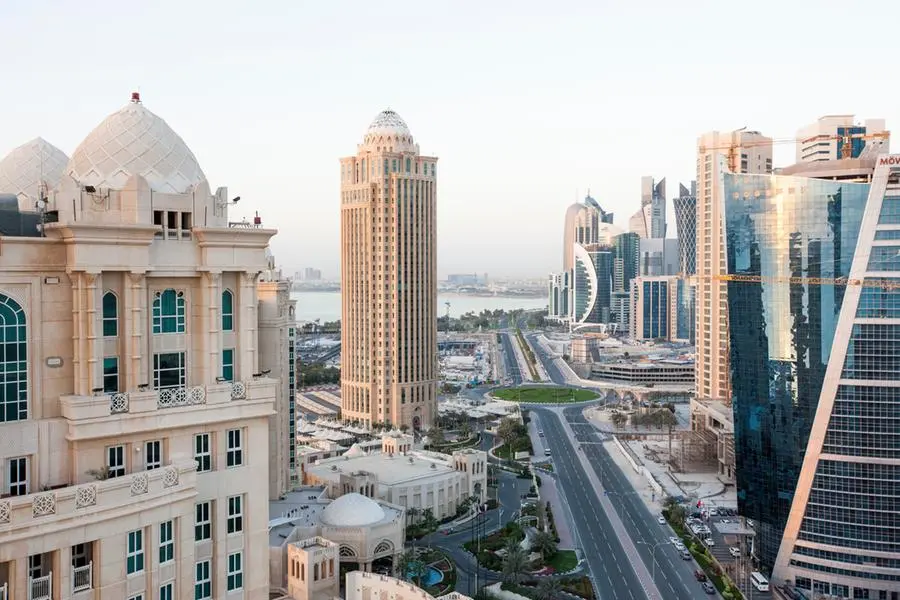
A 5.2% correction in the Dubai Financial Market in the month of March took the shine off an otherwise stellar quarter for the emirate and the wider Gulf markets.
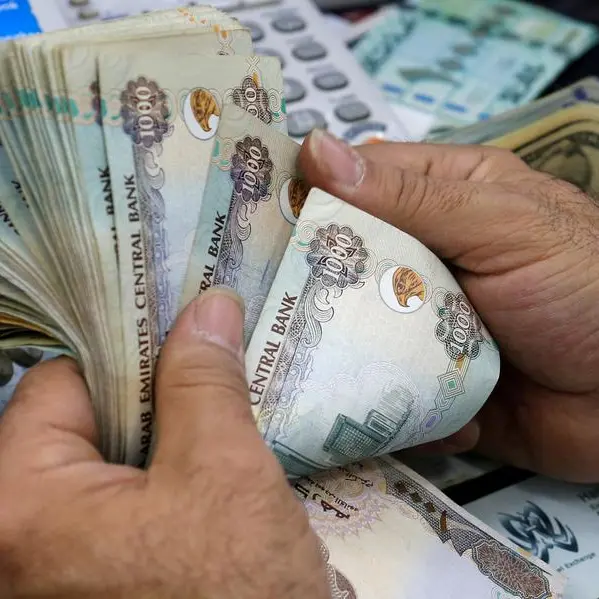
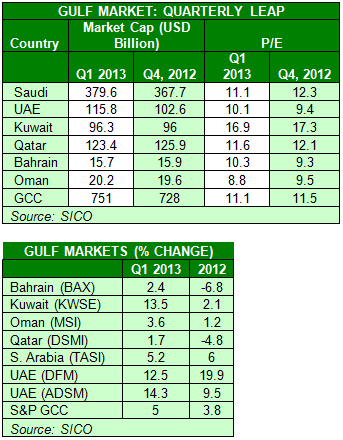
Regional markets saw their market capitalization jump by USD 23 billion to reach USD 751 billion by the end of the first quarter, data by Manama-based Securities & Investment Company shows.
While the S&P GCC saw a 5% jump in the first quarter of the year, at least three Gulf markets posted double-digit growth during the period.
Dubai Financial Market, however, was the star of the quarter for much of the period, rising nearly 20% higher than it was at the start of the year at one point. But the market has been in correction mode for much of March, and renewed troubles in the euro zone did not help economic sentiment as traders booked profit.
The UAE economy was buoyed by a much-improved housing sector, tourism and a return of business confidence. Dubai's hotel occupancy rate stood at an impressive 88% in January, compared to 85.7% during the same period last year.
The emirate benefited from its safe haven status and Dubai became the second busiest airport in the world after London's Heathrow airport.
Meanwhile, property prices soared as well, by as much as 20% in some areas.
The renewed confidence was adequately reflected in the Dubai market, and the Abu Dhabi index also got caught up in the sentiment, rising 14.3%, after trailing Dubai for much of the quarter.
Kuwait's bullish market
Kuwait emerged as the second best-performing market in the region, rising 13.5% in the quarter, after years of lethargic growth.
National Bank of Kuwait, the nation's largest bank by assets, notes that Kuwait is expected to post strong growth this year.
"We expect growth to have picked-up somewhat in 2012, thanks partly to strong growth in the consumer sector, and our forecast for non-oil growth of 5% in 2013 remains unchanged," said Daniel Kaye, head of Macroeconomic Research, at NBK. "But faster implementation of government capital spending projects and a more aggressive approach to economic reforms are needed to put Kuwait's economy on a permanently higher growth path."
Analysts expect the authorities to start implementing long-delayed reforms in the oil sector and infrastructure sector, as the country has lagged behind its Gulf counterparts in investment and government spending.
The government racked up a USD 60-billion surplus in the first ten months of the fiscal year, according to government data, which should give it the confidence to loosen the purse strings.
For now, much of the spending has been focused on wages and salaries, which has done little to improve business confidence. Some observers expect Kuwaiti authorities to turn the economy around this year, especially as social unrest is rising in the country.
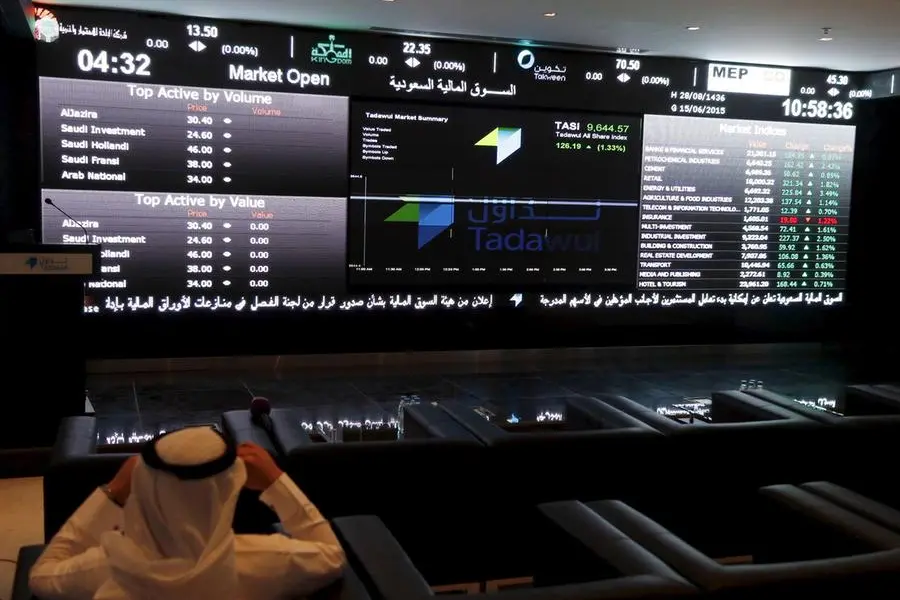
Meanwhile, Saudi Tadawul market also posted an impressive 5.2% jump in the first quarter, as the non-oil sector expanded and government spending continued to power the economy.
Top performing stocks
UAE companies were among the best performing stocks. Emirates NBD, Dubai's largest bank by assets, was up 40.4% during the quarter, and emerged as the best performing stock among the major caps, SICO data shows.
Other major performers included Emaar (up 35.7% during the quarter), telecom operator Du (up 33.2%) and Sorouh Real Estate (up 32.8%),which is expected to merge with Aldar soon.
On the negative side, Qatari real estate company Ezdan emerged as the worst performing major Gulf stock, falling 14.3% during the quarter, according to SICO data.
Saudi Telecom, one of the region's biggest companies, also fell nearly 8% during the quarter.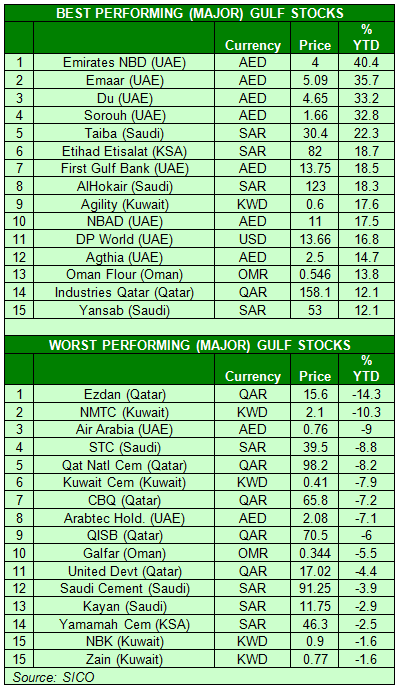
Can markets keep the momentum?
The pullback in the past month suggests a correction is on the way.
But generally speaking, this has been a positive quarter for global equities. Dow Jones Industrial Average rose 11.2% during the quarter while the S&P 500 also posted a robust 10% growth. The FTSE (up 8.7% during the quarter) and Japanese Nikkei (up 16.7%) suggest equity markets across the world are in the ascendancy.
It has been long overdue, especially as other investment alternatives pale in comparison: global investors are disenchanted by gold, while the bond rally seems to have run its course.
High tide will lift all equity boats, and Gulf markets can expect to benefit from investor focus on equities, especially in emerging markets.
The Gulf region's economic fundamentals also point to strong growth. With crude prices at elevated levels, the major GCC economies are expected to remain major beneficiaries of high crude prices, which help maintain strong fiscal growth.
However, a number of things could go wrong that could upset investor sentiment and reverse the market rally.
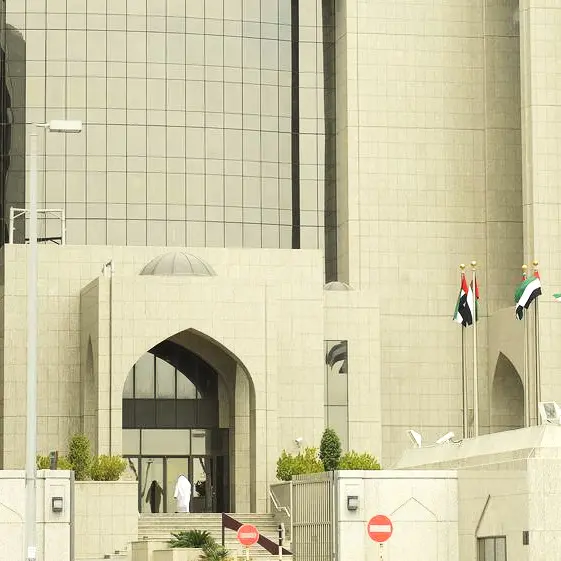
In the UAE, observers say stricter central bank regulations on mortgages could arrest strong economic growth in the country.
The central bank is looking to cap mortgage lending for expatriates to 50% of the value of a house, while the cap is extended to 70% for nationals.
"Unless revised upwards, the cap would not only have a negative impact on growth across the UAE; it would have a particularly detrimental impact on the Dubai economy," noted Geopolicity in a report.
"While the move by Central Government to better regulate the market is both necessary and welcomed to remove the risks of overheating and to lay the foundation for sustained and quality growth, [there is a] need for multiple policy responses and a degree of moderation, at a time when both property prices and rental growth are beginning to recover."
Meanwhile, Saudi growth could be derailed by a sudden drop in oil demand, while the Kuwaiti political deadlock could yet stymie the government's growth plans.
In addition, a flare-up of political tensions in Bahrain could sour regional business confidence.
© alifarabia.com 2013