Gulf markets had a stellar year in 2013, and valuations suggest the markets have headroom to go even higher in 2014.
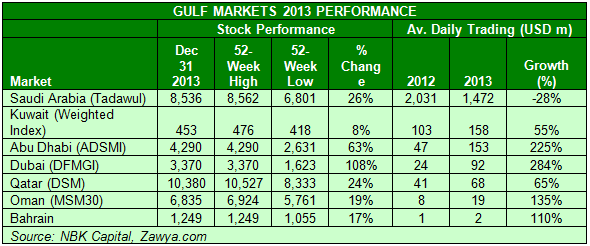
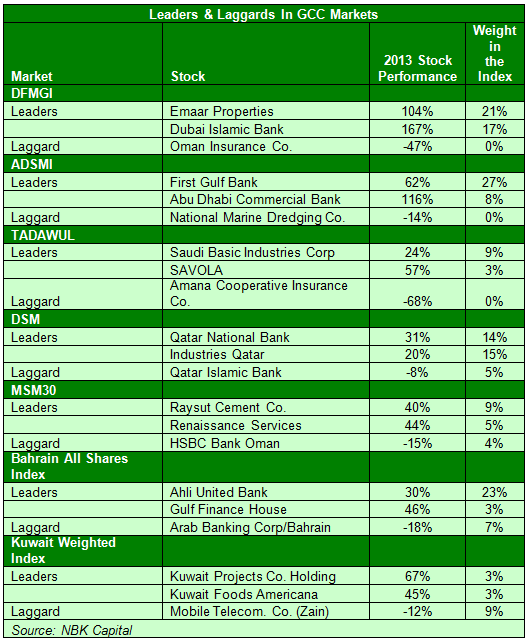
Dubai was the star performer last year, rising 108% as the emirate saw a spate of good news, vastly improved economic fundamentals and strong inflow of capital and investments surging back into the economy.
The emirate received a boost when MSCI upgraded the UAE to emerging market status along with Qatar, which translated into fresh investments pouring into UAE and Qatari stocks.
Dubai has been in the midst of a strong economic recovery since 2009 with annual GDP growth reaching 4.4% year on year in 2012, and another 4.4% in the first half of 2013.
This growth has been more broad-based with trade activity accelerating (exports up 22% year-on-year, re-exports up 13% year-on-year) and passenger traffic through Dubai airports gathering pace (up 16% year-on-year in the first nine months of 2013), said Shuaa Capital.
"This buoyant economic activity trickled down to tourist activity (+10% in 9M 13) and sales at key retailers moving to new highs (Emaar, MAF, Dubai Duty Free)," the bank said. "Moreover, the real estate sector experienced a decent recovery over the past 18 months, both in terms of transaction volumes and property prices - average growth in rental and sales prices across Dubai stood at 20% and 30% YoY, respectively."
Of course, the winning bid for World Expo 2020 has been the icing on the cake that plays to the emirate's strength in tourism, hospitality, aviation and infrastructure.
"We believe the Expo is a good fit with Dubai's core sectors namely trade, retail, tourism and transportation. Our view is that core sectors contributing the most to Dubai's current economic recovery would be the key gainers from the expo," Shuaa said.
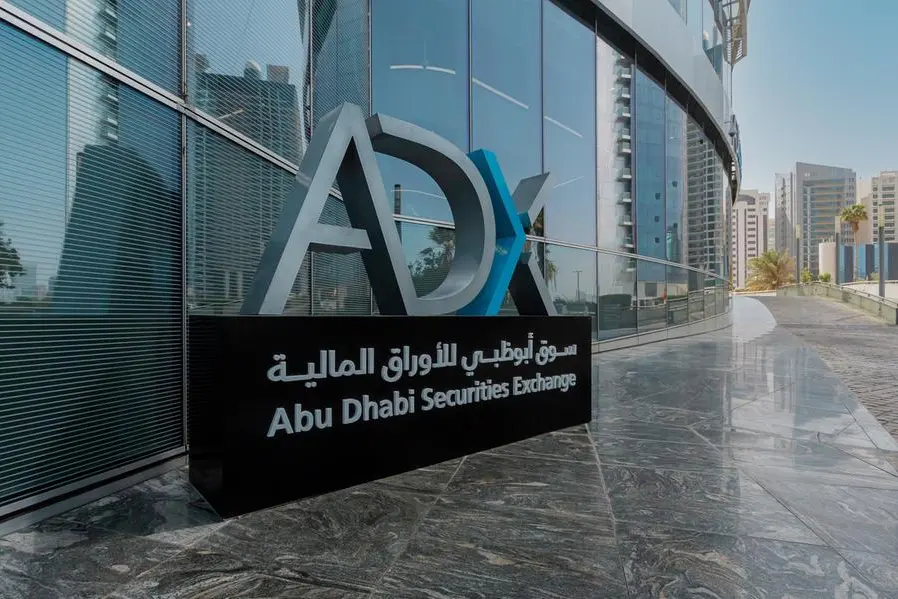
Neighboring Abu Dhabi also enjoyed strong growth of 63% as oil prices and record production for much of the year, added to the overall strength of the UAE economy.
GCC ENJOYS INDEX GAINS
Other Gulf markets also had a strong but comparably moderate year.
Saudi Arabia saw a 26% jump in its market index, while Qatar saw a 24% improvement. One could argue that both countries enjoy some of the strongest economic fundamentals anywhere in the world, and their markets have barely scratched the surface of their potential.
Kuwait was the regional laggard, rising a mere 8%, as its potential remains shackled by political and domestic lethargy.
Heartening for regional fund managers, liquidity returned to the Gulf markets. UAE markets saw the greatest improvement in daily trading volumes: Dubai saw a 284% increase in average daily trading volumes, while Abu Dhabi saw a 225% increase as retail investors became more active in the market.
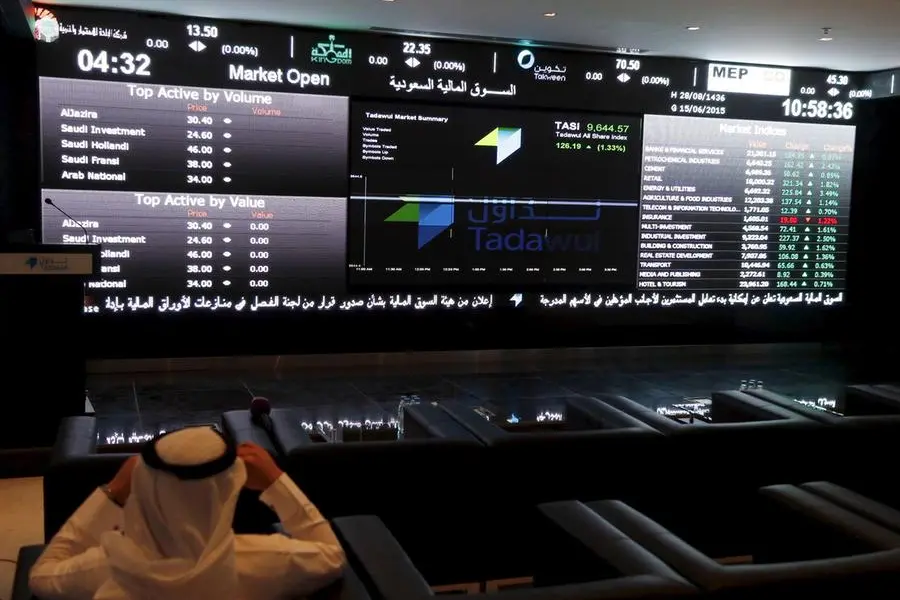
Other markets such as Oman (135% increase in trading volumes) and Bahrain (110%) also saw strong activity. Saudi Arabia, however, saw a 28% drop in trading activity, but with nearly USD 1.47 billion of stocks being traded each day, the Tadawul remains the region's most liquid market.
GCC VS. EMERGING MARKETS
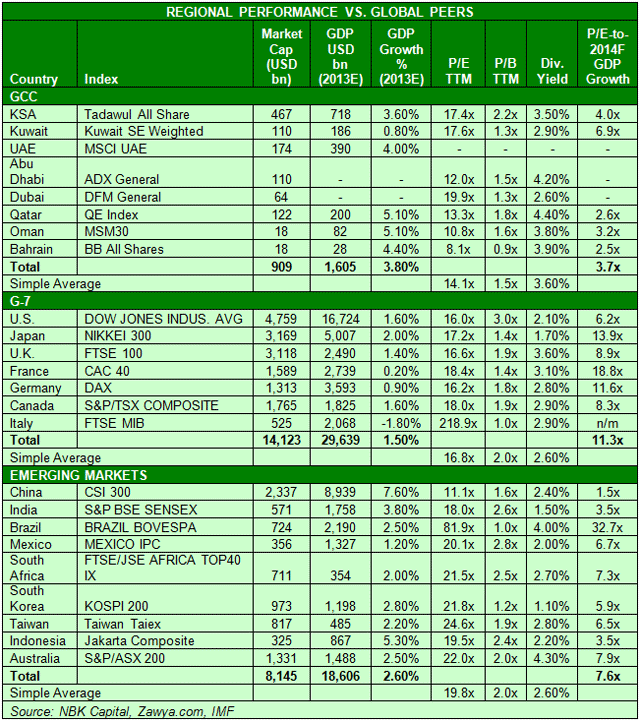
While the Gulf markets enjoyed an excellent year, in sharp contrast to other emerging markets in India, China and Brazil, they remain a bargain for investments.
The GCC markets' simple average P/E multiple stood at 14.1x, a clear discount to the 16.8x for the G-7 and the 19.8x for the EM.
"GCC markets look even more attractive when taking into account forecasted 2014 GDP growth rates," said NBK Capital in a report.
"The GCC projected GDP growth rate of 4.2% (+3.8% in 2013E) is higher than the G-7 rate of 2.1% and the EM rate of 3.5%. As a result, the GCC P/E-to-2014F GDP growth is the lowest of the three at 3.7x, compared to 11.1x for the G-7 (excluding countries with negative growth) and 7.6x for the EM. Furthermore, the GCC markets' simple average dividend yield stood at 3.6%, exceeding the G-7's and the EM yield of 2.6%."
NBK Capital believes Qatar continues to be the most attractive, thanks to its high GDP growth forecast for 2014 (5.0%), a relatively low P/E multiple (13.3x), the highest dividend yield (4.4%), and relatively low P/E-to-2014F GDP growth (2.6x).
Emerging markets remain under a cloud this year, with most of the major economies of India, China, Russia and Brazil in the midst of their own domestic challenges. Most analysts expect emerging economies to post slow growth this year, which could make Gulf markets even more attractive as global investors look for yield.
However, Gulf economies are facing their own challenges in 2014, as oil prices are expected to scale back in 2014 on rising supply. While the GCC is cushioned with strong reserves, lower prices would leave much of the heavy-lifting to the non-oil sector.
Easing of tensions with Iran would further remove some of the risk premium in Brent crude prices, sending prices even lower.
Despite a weak oil-price outlook, Saudi, Qatar and UAE have embarked on strong investment programs to offset lower growth from the hydrocarbons sector. However, that may leave Bahrain, Oman and Kuwait vulnerable.
But consumer, retail, real estate, banking and construction companies are poised to do well in most of the Gulf states as rising population and new infrastructure comes on line. These developments should keep Gulf markets fuelled by the domestic economy, even if external factors are less than supportive.
© alifarabia.com 2014