Oil and gas exporters such as the UAE, Saudi Arabia, Qatar and Oman are succeeding in reversing the so-called "resource curse", but they still have a long way to go before realizing their full potential.
Countries that export natural resources often fall in the "resource trap" as they continue to focus on production of the natural resources at the expense of development of other sectors. While the resources fill the government's coffers, most countries fail to spread the wealth as they are slow to build on other sectors and expand the economy.
As such many countries such as Kuwait and Venezuela have been able to create strong institutions and suffer from poor governance and unimpressive infrastructure that fails to attract investors.
If these resource-rich countries fire on all cylinders, they can help raise global GDP. According to McKinsey Global Institute research:
* 81 countries driven by resources in 2011 accounting for 26% of global GDP, up from 58 generating only 185 of world GDP in 1995
* 69% of people in extreme poverty are in resource-driven countries
* Almost 80% of countries whose economies have historically been driven by resources have per capita income levels below the global average, and more than half of these are not catching up
* Almost 90% of resources investment has historically been in upper-middle-income and high-income countries
* Half of the world's known mineral and oil and gas reserves are in non‑OECD, non‑OPEC countries
* Up to USD 17 trillion of cumulative investment in oil and gas, and mineral resources could be needed by 2030 - more than double the historical rate of investment
* 540 million people in resource-driven countries could be lifted out of poverty by effective development and use of reserves
* Opportunities to share much of the USD 2 trillion of cumulative investment in resource infrastructure in resource-driven countries to 2030
* 50%+ improvement in resource‑sector competitiveness possible through joint government and industry action.
NEARING THE END
Many countries that depend heavily on oil and natural gas and minerals have had a good run over the past few decades, but many of their development are coming at the end of their natural lifecycle.
To continue to feed the industry, the countries would need to make fresh investments.
"The historical rate of investment in oil and gas and minerals may need to more than double to 2030 to replace existing sources of supply that are coming to the end of their useful lives and to meet strong demand from huge numbers of new consumers around the world, particularly in emerging economies," said McKinsey Global Institute in a report titled 'Reverse The Curse'.
If resource-driven countries, particularly those with low average incomes, use their resources sectors as a platform for broader economic development, this could transform their prospects, the management consultancy said.
SIX PILLARS
McKinsey recommends building on six key elements to elevate the economic performance of resource-rich countries so that they can continue to play a pivotal role in supplying natural resources to a rising global economy.
1. Building the institutions and governance of the resources sector;
2. Developing infrastructure;
3. Ensuring robust fiscal policy and competitiveness;
4. Supporting local content;
5. Deciding how to spend a resources windfall wisely; and
6. Transforming resource wealth into broader economic development.
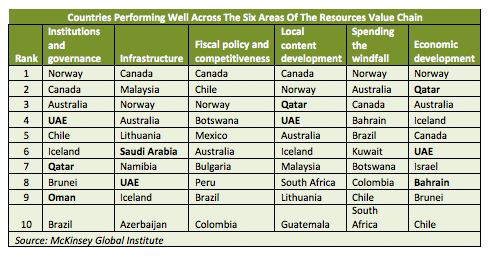
Some Gulf states have made progress on some of these metrics, but they still have to improve their competencies in spending the windfall, and fiscal policy and competitiveness.
The chart below shows that Gulf states such as the UAE, Qatar and Oman have made rapid strides in building and institutions and governance of the resources sector, while the UAE, Qatar and Bahrain are among the Top 10 countries when it comes to economic development.
RISING COMPETITION
Established players cannot rest on their laurels and will need to move quickly to remain relevant in the new global energy order.
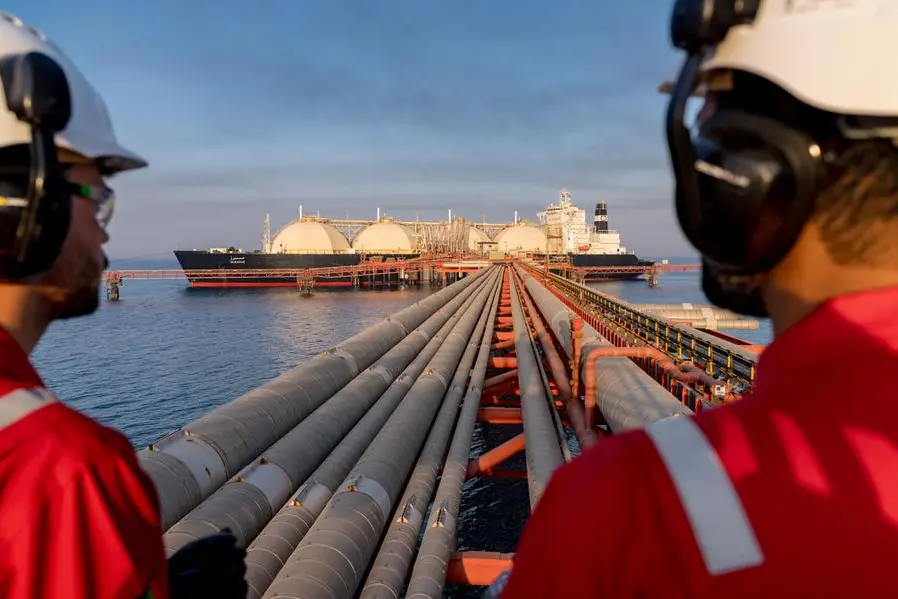
For example, Qatar is the world's largest producer of liquefied natural gas, but by 2017 the country will lose that title to Australia, according to analyst estimates.
Qatar has placed a moratorium on new natural gas developments till at least 2014, and by the time it is prepared to embark on a fresh wave of investment, no less than 25 new LNG suppliers would have emerged on the market, including energy powerhouses such as the United States and Canada.
"The number of resource-driven countries has increased by more than 40% since 1995," McKinsey noted. "In 1995, there were 58 resource-driven economies that accounted for 18% of global economic output. By 2011, there were 81 such countries accounting for 26% of global economic output."
Given the rising competition, established Gulf exporters will need to break away from the historical economic development model. But that does not necessarily translate into greater private sector involvement.
McKinsey notes that it's a myth that state-owned resources translate into weakened infrastructure.
State-owned enterprises are often blamed for dwindling oil and natural gas production such as in Mexico and Venezuela, but that's not true in every case.
"Saudi Aramco, a government monopolist, is widely acknowledged to be one of the world's leading state-owned oil companies. It has helped Saudi Arabia to achieve 2.4% annual growth in its oil production over the past 10 years despite having relatively mature assets."
There is, however, no room to be complacent, as by and large all resource-driven countries have not been able to transform growth into broader economic prosperity.
"But doing so is not impossible. One major imperative for governments is to focus on removing barriers to productivity across five key areas of the economy--the resources sector itself; resource rider sectors such as utilities and construction; manufacturing; local services such as retail trade and financial services; and agriculture," said McKinsey.
"Local services, which include hospitality, telecommunications, and financial sectors, are often seen as the indirect beneficiaries of the resource booms. These sectors can achieve large productivity improvements, which can often result in significant growth in GDP and employment, but these sectors are often overlooked by policy makers."
© alifarabia.com 2013