While Gulf markets may have withstood the collapse of other emerging markets, some clouds are brewing on the horizon, and a sustained battering in emerging markets could see regional investors lose their nerve.
Commodity prices initially appeared to have shrugged off the recent sell-off in emerging market (EM) assets, perhaps focusing on the fact that Fed tapering depends on a continued pick-up in economic activity, said Caroline Bain, senior commodities economist at Capital Economics. "Since then, weaker manufacturing data from both the US and China have led to price falls."
For the GCC states, the fallout may soon be evident in the shape of falling demand for crude oil, which has already fallen 1.7% in the first month of the year.
Dollar and oil prices were historically negatively correlated as the US was a major importer of crude oil, but as US demand for foreign oil recedes, the US trade deficit is improving, helping boost the American greenback.
US trade balances look set to improve with the US Department of Energy forecasting that US net oil imports will be at 3.9 million bpd by end-2015, from 5.3 million bpd in November 2013, while Citibank analysts expect an even steeper drop.
"As the energy trade deficit fades, so should the negative oil-USD correlation, meaning that the benefits of a stronger USD on oil prices should fade," Citibank said in a recent note.
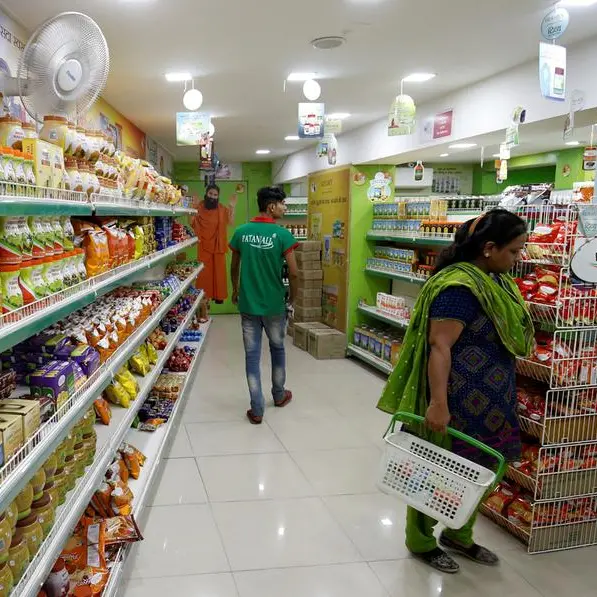
That's not good news for emerging markets, especially the fragile five - Brazil, India, Indonesia, South Africa and Turkey.
The five emerging powerhouses were expected to account for 250,000 bpd of new crude supplies.
"Global balances were already fairly bearish so the dent to demand from the current turmoil only adds to this," said Seth M. Kleinman, analyst at Citibank.
"Add in rising concerns over China and almost half of global oil demand growth looks at risk."
China has led projected global consumption growth, with demand rising by 400,000 bpd in 2014 and 430,000 bpd in 2015, according to the US Department of Energy. However, the Middle Kingdom's thirst for crude oil has moderated from the average 790,000 bpd clocked in 2009 through 2011.
CRUDE TREADS ON THIN ICE
Brent crude was trading at around USD 108.63 per barrel on Tuesday, USD 10 lower than its high this year, but it could trend lower if the emerging market weaknesses persist.
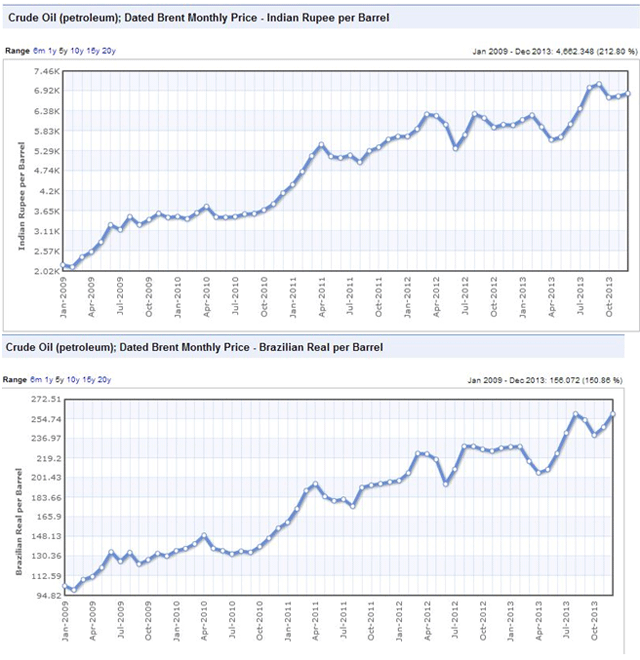
"The Asian currency crisis was significantly more severe, yet the lag between the currency moves and the apparent impact on oil demand was still several months," Citibank said. "The Indian rupee started losing ground in 2Q last year, and 2H 2013 saw the first drop in y/y diesel demand in several years."
Distillates should feel the impact first and foremost. India is a large net distillate exporter, but the rest of the F5 are significant net importers. Diesel is the part of the oil barrel most correlated with economic activity, and as such diesel demand and hence net imports look set to feel the impact of the economic slowdown.
The current weakness in metals pricing could be seen as a foreshadowing of the slowdown in emerging market economic activity, which will start to hit diesel demand next, Citibank said.
"The upshot is that, while we think some of the current concerns are overdone, we continue to expect further falls in the prices of the key industrial commodities," said Capital Economics' Bain, adding that she expects Brent to fall to USD 90 per barrel from its current price.
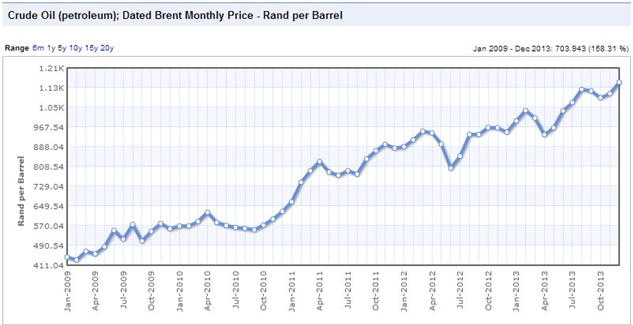
While crude oil prices have trended lower over the past year, the rising dollar has meant that oil priced in domestic currencies in the five vulnerable economies is at an all-time high.
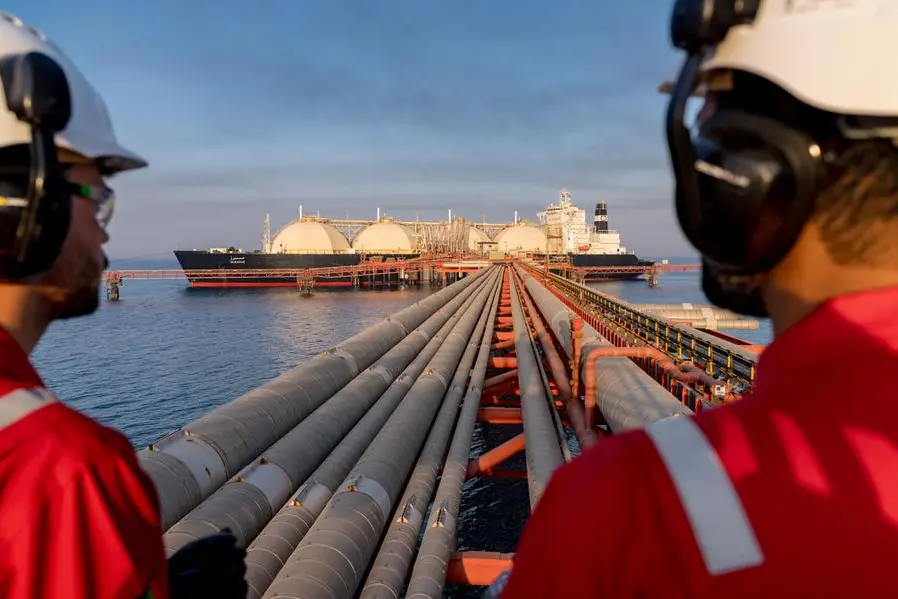
These five nations accounted for 4.7 million barrels per day of oil imports last year; in addition, countries like Brazil and Turkey have emerged as major consumers of imported natural gas.
IMPACT ON GULF
"Softening oil markets present a challenge to Saudi Arabia and we expect the pace of economic activity to moderate over the next three years," said Samba economists in a report on the kingdom.
Samba economists expect Brent crude prices to ease to around USD 95 per barrel by 2015, as short-term bottlenecks in Libya, Iraq and possibly Iran and Kazakhstan are ironed out.
"With gains from North American supply alone continuing to outpace demand, Saudi Arabia will need to reduce production in order to keep the market in balance," wrote Samba analysts James Reeve, Andrew Gilmour and Thomas Simmons in a report. "We anticipate a 2% reduction in Saudi crude output (with negative risk that the reduction will be larger), meaning that hydrocarbons GDP contracts by about 1.3%."
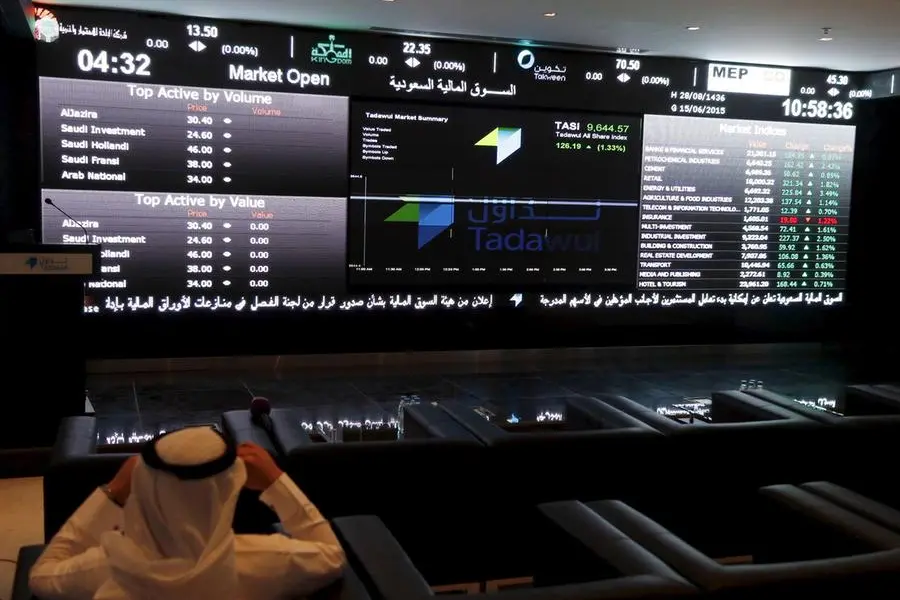
For countries such as Qatar and the UAE, the impact may come via financial markets. Both countries are set to join the MSCI EM indices in May and they may be directly impacted by global investor ebbs and flows in the indices.
And the current outflows may not bode well for Qatar and the UAE. For the first time since 2004, there were discernibly positive flows into developed market equities and those into emerging markets were contrastingly negative.
"If the flows seen so far in 2014 follow a similar trend for the full year, we are likely to see EM and DM flows move in the same direction as 2013, but the magnitudes would be much higher," wrote Deutsche Bank analysts in a report.
If the current emerging market crisis persists and expands, oil-exporting Gulf economies may not remain immune. And while years of surpluses will cushion the blow, it may be tough to maintain the economic momentum in the face of an all-out emerging market crisis.
The feature was produced by alifarabia.com exclusively for zawya.com.
© Zawya 2014