PHOTO
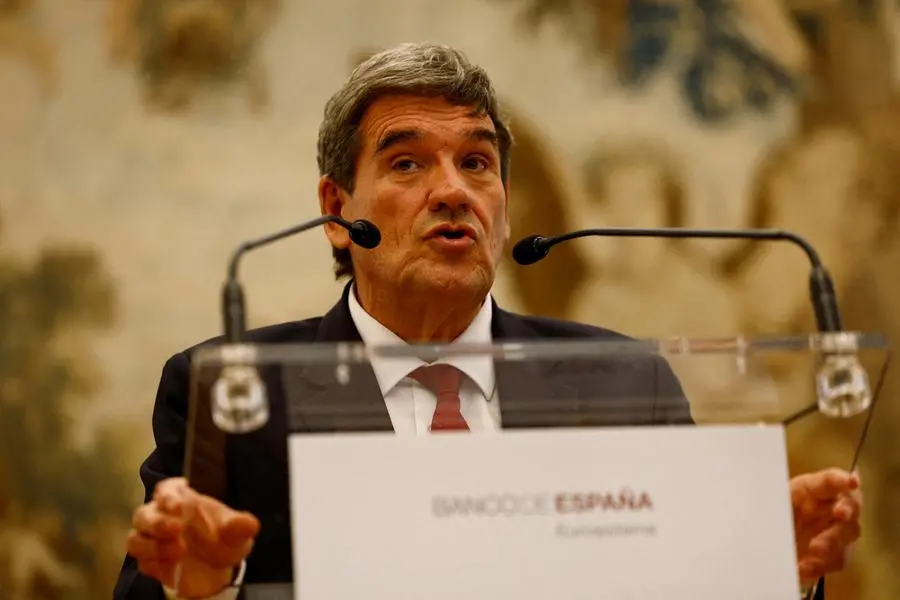
MADRID - The European Central Bank is very unlikely to change rates at its next meeting and will make any decisions on a meeting-by-meeting basis, ECB policymaker Jose Luis Escriva said on Friday.
Escriva told regional Catalan TV3 television that the bank would need more time to assess the full impact of the war in the Middle East before making decisions.
"With the information I have, I think it's very unlikely that we will touch rates at the next meeting," Escriva said, adding that "we can already take it for granted that there will be effects" from the war.
But he also said these could be sharply limited if the war were to end soon: "The effects on what matters to consumers – everyday prices – we are talking about tenths of a percent, not much more."
The U.S.-Israeli war on Iran, which has spread to other countries in the Gulf, is threatening to drive up inflation and hit sluggish euro zone growth by making energy more expensive and disrupting supply chains.
"Our inflation target of 2% is a medium-term horizon, transitory movements should not necessarily lead us to make decisions. Instead, we must monitor the situation and assess to what extent this is having more persistent effects over time," Escriva said.
The ECB left rates unchanged at its last meeting in February and signalled comfort in the outlook, but the situation has materially shifted this week with war and the surge in energy prices.
Investors now see some chances of an ECB rate hike by December.
Escriva, who is also the Bank of Spain's governor, said it was too early to assess the impact of any halt in trade between Spain and the U.S. following President Donald Trump's threats to cut commercial ties over Spain's stance on the conflict, since there was no firm decision yet.
(Reporting by Jesús Aguado; Editing by David Latona and Kevin Liffey)