PHOTO
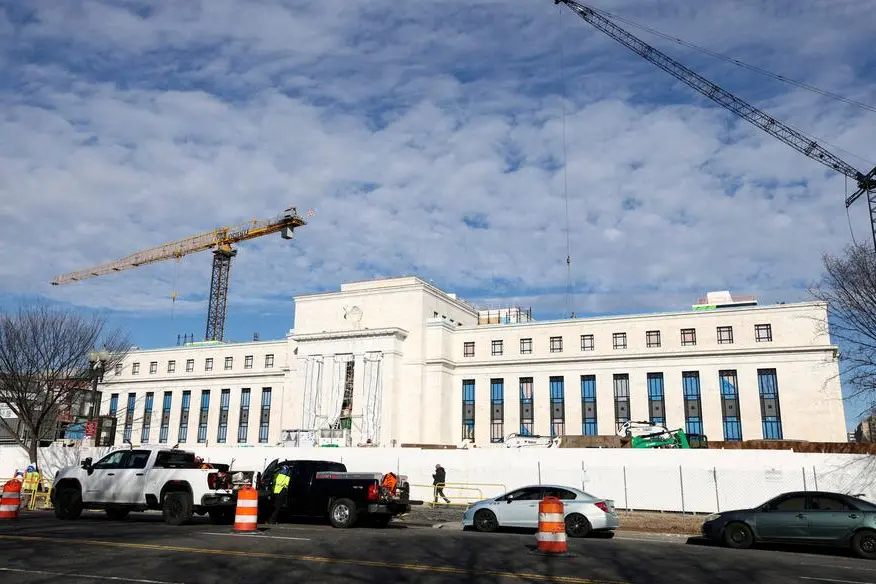
Traders are paring back their expectations on interest-rate cuts this year by the U.S. Federal Reserve, as they fear that the inflationary effects of a surge in energy prices will complicate the central bank's monetary policy path.
Crude oil prices climbed for a third straight session, as the U.S.-Israeli conflict with Iran widens, disrupting fuel shipments and heightening fears of further supply disruption to oil and gas from the Middle East.
Here's how the markets are currently looking at the U.S. central bank's outlook:
Futures contracts indicate a 30.7% chance of at least a 25-basis-point interest-rate cut in June, down from a 49.6% chance last week and a more than 56% chance from a month ago, according to the CME FedWatch Tool.
As of last week, traders expected June to be the month where the Fed resumes its rate-cutting cycle after its last cut in December, instead they now see a 47.2% chance of a July cut.
Goldman Sachs analysts estimated in a Monday note that a sustained 10% increase in oil prices boosts core consumer price index by 4 basis points and headline CPI by 28 basis points.
Traders expect around 42-bps worth of policy easing by December, implying one 25-bps cut this year with a second cut still doubtful.
Rising oil prices could ignite inflation worries as they quickly push up gasoline and transport costs, leading to higher prices for goods and services.
Minutes from the central bank's January policy meeting showed a split committee, with "several" open to rate hikes if inflation stays up, while others were inclined to support further cuts if inflation recedes as they expect.
The U.S. central bank is widely expected to hold its rates steady in March, continuing to stay on pause after cutting rates thrice in 2025.
(Reporting by Shashwat Chauhan in Bengaluru; Editing by Arun Koyyur)