PHOTO
TOKYO - Japan must keep raising interest rates and tighten fiscal policy as the economy is already in "great shape," former central bank chief Haruhiko Kuroda said, warning that Premier Sanae Takaichi's big spending plan could stoke an inflationary upswing.
With the economy enjoying solid growth and steady wage gains, the Bank of Japan can probably raise interest rates about twice a year in 2026 and 2027, said Kuroda, who is known for launching his radical monetary stimulus in 2013 as part of former Prime Minister Shinzo Abe's "Abenomics" reflationary policies.
"When Abenomics was deployed, Japan was suffering from deflation and a strong yen. Now, Japan is experiencing inflation and a weak yen. Japan needs to move toward tighter fiscal and monetary policy," Kuroda said in an interview on Tuesday.
"The BOJ must gradually raise interest rates towards levels deemed neutral to the economy. Fiscal policy must be tightened, too," Kuroda said. "I wonder whether increasing spending and cutting taxes would be appropriate."
The remarks highlight how Japan’s evolving economic landscape has driven a striking divergence in policy thinking between Kuroda — Abenomics’ most ardent architect — and its current torchbearer, Takaichi.
The ex-BOJ chief's tenure ended in 2023 after a decade-long push to fire up growth and inflation with unorthodox policy tools.
With inflation above its 2% target for years and a tight job market pushing up wages, the BOJ exited Kuroda's stimulus in 2024 and raised rates several times including in December.
Fiscal policy, by contrast, is likely to stay expansionary.
A fan of Abenomics, Takaichi has ramped up spending and pledged to suspend by two years an 8% sales tax on food to cushion the blow to households from rising living costs.
Kuroda, who is currently senior fellow at the National Graduate Institute for Policy Studies, warned such expansionary fiscal policy could backfire by fueling inflationary pressure and pushing up bond yields.
"It makes sense for the government to support innovation to boost long-term potential growth. But spending money to cushion the blow from rising living costs would be counterproductive as doing so would fuel inflation," he said.
NO MORE SHOCK THERAPY
Takaichi's huge election win on February 8 has heightened market attention to whether she will gear up calls for loose fiscal and monetary policy, which she was forced to tone down after a selloff in the yen and government bonds late last year driven by market concern over Japan's worsening finances.
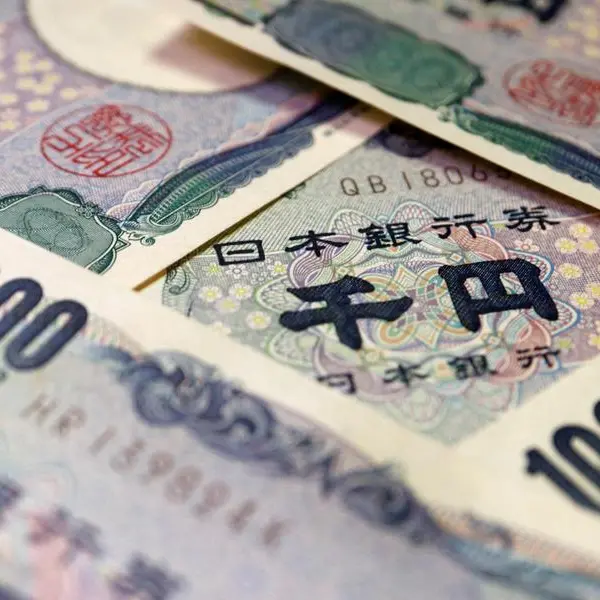
The yen slipped on Tuesday after a news report that Takaichi had conveyed her reservations about further rate hikes to BOJ Governor Kazuo Ueda, signaling potential friction over monetary policy that could complicate the bank's rate-hike timetable. The yen stood at 155.80 per dollar on Wednesday.
While verbal intervention has kept the yen from breaching the psychologically important 160 line, Japanese authorities have struggled to reverse the currency's unwelcome downtrend that keeps lifting import costs and broader inflation.
Kuroda said the yen's recent levels could be "somewhat too weak" when judging from its equilibrium set by Japan's near-term growth and price moves, as well as its economic competitiveness.
While currency intervention would have a temporary effect on yen moves, there is no guarantee the impact could be sustained, said Kuroda, who oversaw Japan's exchange-rate policy as its top currency diplomat from 1999 to 2003.
The BOJ, for its part, may see scope to raise its key policy rate, currently at 0.75%, to around 1.5-1.75% in coming years if the economy can sustain its momentum, Kuroda said.
While the BOJ's inflation target proved elusive during his term, Kuroda's decade-long massive stimulus helped reverse a relentless yen rise that was hurting Japan's exporters.
A key feature of Kuroda's monetary experiment was his simple, bold communication aimed at convincing the public that prices would finally start to rise after decades of deflation.
Such shock-therapy communication has no role to play at a time like now, when the BOJ is seeking to normalise policy without causing any disruptions to the economy, Kuroda said.
"When it's gradually pushing up rates toward neutral, the BOJ doesn't need to talk that much," he said, adding that Ueda was right in keeping his policy remarks nuanced and vague.
"It makes better sense to keep a low profile. Governor Ueda's communication sounds appropriate to me," said Kuroda.
(Reporting by Leika Kihara; additional reporting by Takahiko Wada Editing by Shri Navaratnam)