PHOTO
The latest escalation between the US, Israel and Iran has injected a sizeable geopolitical risk premium into markets, with banks warning a protracted conflict could require a portfolio recalibration, towards emerging market assets, and to gold as a risk hedge.
“In this environment, discipline and a tilt towards defensive quality remain prudent,” Mathieu Racheter, Head of Equity Strategy Research, Julius Baer said.
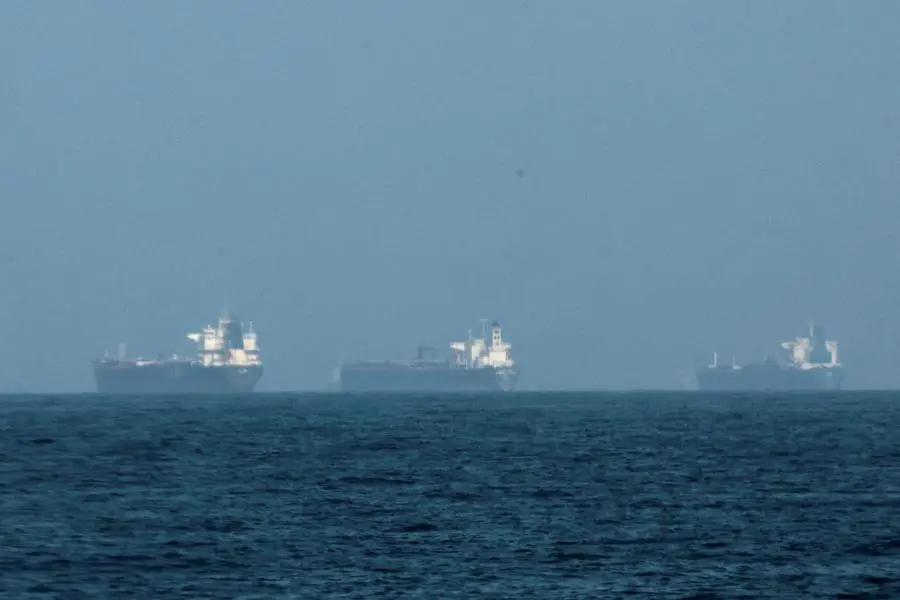
In its latest report, Swiss bank UBP stressed the primary transfer of the Iran conflict to financial markets is likely to occur primarily through oil prices.
“While broader financial conditions remained supportive through February, a sustained spike in the price of crude threatens to recalibrate 2026 interest rate expectations if energy costs begin to fuel broader inflationary pressures,” UBP said.
Portfolio recalibration
Analysts stress that in the case of equities, the decisive transmission channel is energy - both oil and liquified natural gas - rather than direct trade exposure. A sustained rise in oil prices would tighten financial conditions, pressure margins and reawaken stagflation concerns, even in a structurally less oil intensive global economy.
According to UBP, for now, the global economic backdrop is characterised by supportive policy settings and resilient corporate earnings, which “prevents a fundamental shift in a baseline scenario”.
The bank has increased its gold exposure in the last two weeks.
“At portfolio-construction level, we are emphasising risk mitigation through our fundamentally positive view on gold, as its convex profile provides valuable protection despite current valuations,” he said.
Cyclicals, consumer-facing industries, chemicals and transport sector according to UBP are the most exposed to sustained energy cost pressure.
“While oil and gas stocks have historically provided a partial hedge against supply-driven price spikes – an area investors may want to look at from a portfolio-construction perspective, even if we do not actively advocate an overweight,” Racheter said.
According to Elliot Hentov, Head of Policy Research at State Street Investment Management, regional equity markets are largely perceiving the war to end relatively swiftly and with Iran in a much weaker position.
“Like in the 12-day war, Israeli equities have rallied on the news of a greatly diminished Iranian regime. GCC markets may have lost some value but given that these were unprecedented attacks on their territory and direct hits to economic activity, these are modest equity losses and also imply local markets do not expect durable damage,” Hentov said.
(Writing by Bindu Rai, editing by Seban Scaria)