PHOTO
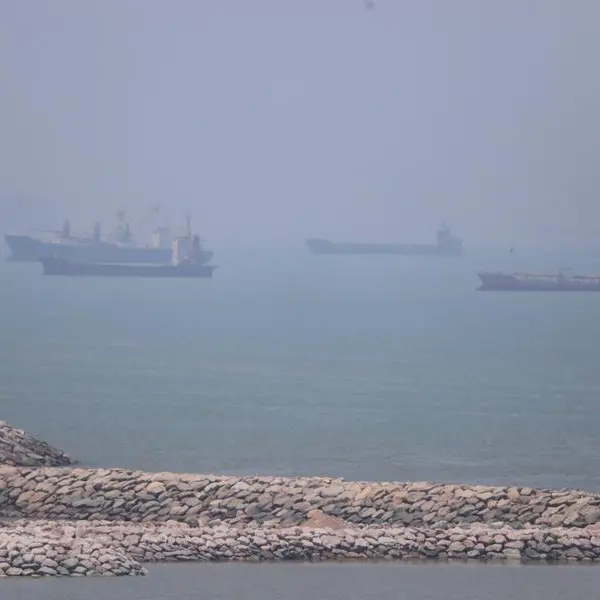
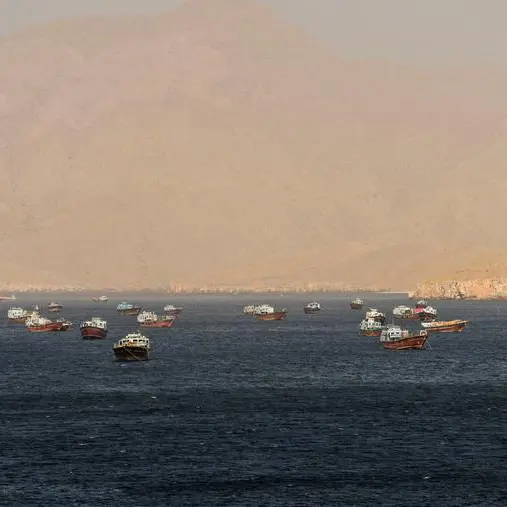
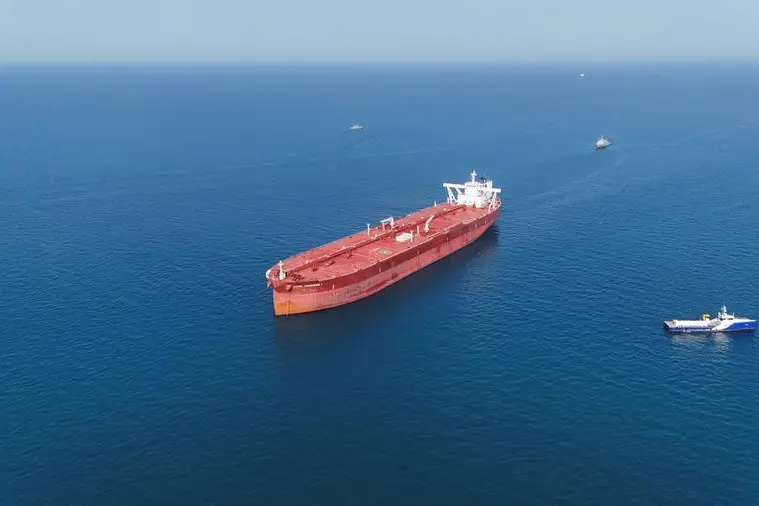
Global energy markets have faced their most severe supply shock in history following a near-closure of the Strait of Hormuz, a critical chokepoint for global oil and gas trade.
Since the outbreak of conflict in the Middle East on February 28, 2026, crude and product flows through the Strait have collapsed from around 20 million barrels per day to just 2.7 million barrels per day, driving cumulative supply losses from regional producers beyond 1.3 billion barrels.
The disruption severely dislocated global oil flows, affecting not only crude oil but also refined products including diesel, jet fuel and LPG.
In early April, benchmark crude prices surged to a record $144 per barrel, more than double pre-conflict levels, with aviation and diesel markets experiencing even sharper spikes.
Prices have since eased amid weaker demand, emergency stock releases and growing expectations of a diplomatic breakthrough. A recent agreement between the United States and Iran to reopen the Strait has further improved sentiment, with early signs of recovering export flows.
The International Energy Agency (IEA) estimates global oil demand will fall by nearly 5 million barrels per day year-on-year in Q2 2026 and by 1.1 million barrels per day annually, a dramatic reversal from pre-war growth forecasts.
However, actual demand declines have been smaller than supply losses due to a combination of emergency responses.
The IEA coordinated a record 400 million-barrel emergency stock release, while global inventories have fallen by 3.8 million barrels per day as markets adjusted.
On the supply side, producers and refiners rapidly adapted. Saudi Arabia increased exports via its East-West pipeline to more than 5 million barrels per day through Red Sea routes, while the UAE expanded output using pipelines, storage and alternative shipping channels.
Together, these measures helped maintain export flows at near pre-war levels despite restricted access to the Strait.
Outside the Middle East, production increases in the US, Brazil, Kazakhstan and Venezuela significantly boosted global supply.
US exports reached a record 13.1 million barrels per day in May, supported by higher output and stock drawdowns.
Refining systems also adjusted rapidly, particularly in aviation fuel markets.
With the Middle East previously supplying a large share of global jet fuel, shortages were offset by record refinery runs in the US and Europe, along with rising West African exports. The United States even shifted from a net importer to a net exporter of jet fuel in early 2026.
Despite these adjustments, global oil stocks have been declining at record rates, raising concerns about tighter conditions during peak summer demand.
The IEA warned that markets risked entering a “red zone” without a full reopening of the Strait, underscoring the importance of the recent diplomatic breakthrough.
While the agreement to restore shipping flows has eased immediate pressure, the crisis has left lasting impacts on global energy markets.
Governments and companies are reassessing supply chains, investment strategies and energy security policies as the industry adapts to a fundamentally reshaped global oil landscape.
Copyright 2026 Al Hilal Publishing and Marketing Group Provided by SyndiGate Media Inc. (Syndigate.info).