PHOTO
South Africa is courting Gulf sovereign wealth funds (SWFs) and private investors to back a new wave of infrastructure projects, offering clearer regulation, stronger institutions and co-investment with local partners, officials said at the 5th Annual State-Owned Companies (SOC) Summit in Dubai.
Stephen Barnes, head of corporate and investment banking at Standard Bank, which organised the SOC Summit, said the country’s infrastructure gap is converging with Gulf capital and expertise “in a way that is both prudent and profitable.”
The summit gathered more than 100 Gulf-based investors, government officials and business leaders.
Financing priorities
South Africa’s infrastructure deficit has curbed growth, raised logistics costs and undermined competitiveness, Barnes said, pointing to freight rail disruptions and energy insecurity. He noted that Gulf SWFs and investors have demonstrated they could “move quickly and decisively” on bankable projects.
Khetha Dlamini, chief director for fiscal policy at the National Treasury, said the government screened strategic projects last year, receiving more than 20 investor responses for a project worth 15.3 billion rands ($886 mln). Funding options include infrastructure and ESG-linked bonds, he said.
Dlamini said the Treasury is also setting up a credit guarantee vehicle with the World Bank to de-risk projects. The facility will combine government equity with a AAA-rated private partner, taking first-loss risk, and will pilot with a power transmission project before expanding into logistics, water and sanitation.
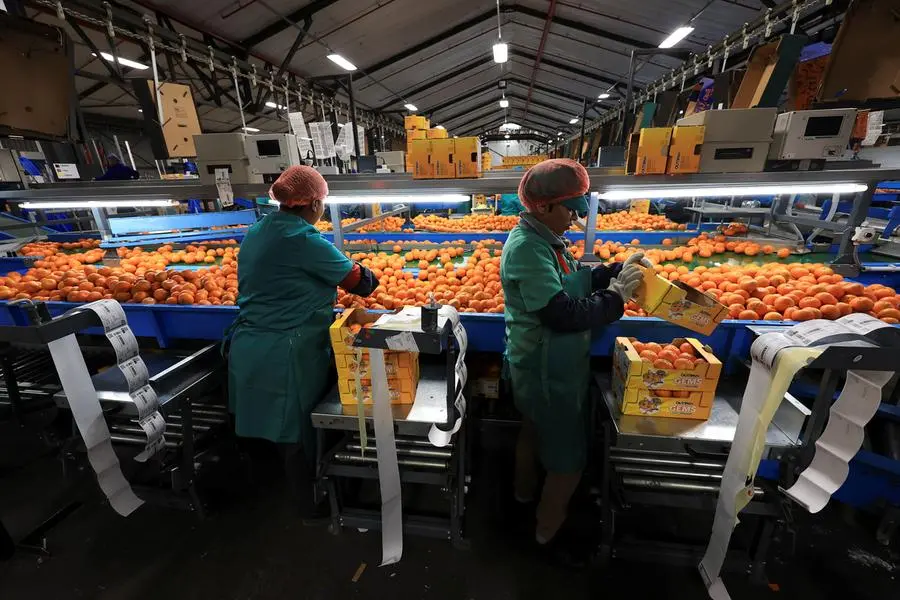
Barnes said there is huge potential for investments that contribute to global food security, adding that investment opportunities in agriculture sector range from mainstream farming and agricultural infrastructure to even digital agriculture.
$54 billion investment pipeline
Wanga Cibi, chief director of liability management at the National Treasury said South Africa plans to invest more than ZAR 940 billion ($54.4 billion) in infrastructure over three years, including ZAR 375 million by state-owned firms. She said 12 blended-finance projects worth nearly ZAR38 billion were approved last year across student housing, water, transport, health and energy.
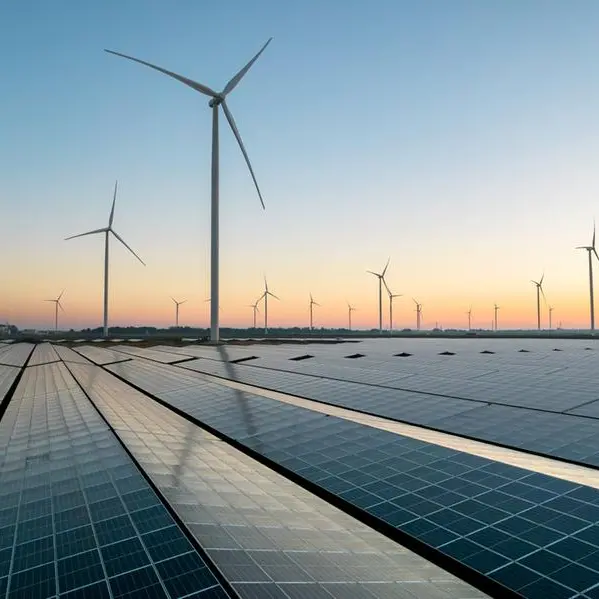
Transmission expansion has become a central priority as South Africa opens electricity generation to more private players. The latest Transmission Development Plan estimates that around 14,494 km of new transmission lines are required over the next ten years, at an estimated cost of ZAR350–390 billion ($20–23 billion).
“That is an immense opportunity for private capital to partner in building the modernised grid that will underpin southern Africa’s energy transition,” said Cibi.
Gulf role and bank facilitation
Rassem Zok, Standard Bank’s CEO for MENA, said the government is aiming to increase infrastructure investment must rise from 20 to 30 percent of GDP by 2030, adding that Middle East companies and SWFs could play a crucial role in this regard.
“GCC investors with a strong track record in clean energy, green hydrogen and resilient infrastructure will find in South Africa a partner ready to align with your sustainability ambitions while delivering sound, long-term returns,” said Cibi.
Zok also noted that the Bank has facilitated investments by SWFs and other financial sponsors in South Africa. He cited the bank’s pivotal role in Saudi-based Zahid Group’s $1.3 billion acquisition of industrial services giant Barloworld as example of Gulf-African investment links.
Standard Bank had committed $913.2 million to support takeover of Barloworld, Billionaires.Africa news portal had reported in February 2025.
The summit, one of three SOC events held outside Africa by Standard Bank, drew state-owned firms including Transnet, Eskom, SANRAL, Rand Water and the Government Employees Pension Fund (GEPF) and the Ministry of Finance, and the National Treasury.
(Reporting by Bhaskar Raj; Editing by Anoop Menon) (anoop.menon@lseg.com)
Subscribe to our Projects' PULSE newsletter that brings you trustworthy news, updates and insights on project activities, developments, and partnerships across sectors in the Middle East and Africa.