PHOTO
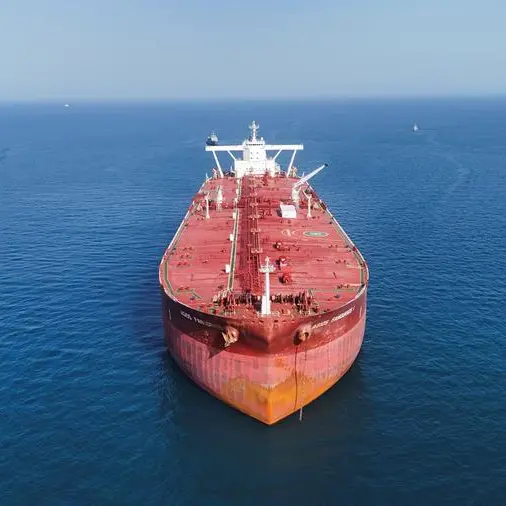
Iraq has a number of options to bypass the perilous Strait of Hormuz after the end of the regional conflict including transiting its oil via pipelines and storing large quantities of crude abroad, analysts say.
OPEC’s second largest oil exporter was one of the countries hit hardest by the Hormuz blockade as the bulk of its oil exports pass through the narrow waterway and crude sales provide nearly 90 percent of its income.
A few days after the eruption of the conflict, Iraq announced it has halted production at Rumaila, its largest oil field with output of around 1.4 million barrels per day (bpd), nearly a third of the Arab nation’s crude output.
Total oil production is currently estimated at only around 1.3 million bpd, Kadhim Karim, assistant director of oilfields and licensing at the Iraqi oil ministry, said on Sunday.
Iraq said last year it is pondering the revival of an $8 billion pipeline through Syria but analysts believe the construction of a pipeline from its Southern oil fields to Oman outside Hormuz is a more realistic option as Asia is its largest market.
In 2024, China, India and South Korea provided Iraq with more than 70 percent of its total oil export revenues as they emerged as the largest importers of Iraqi crude, the Central Bank of Iraq said in a report in 2025.
Iraq netted nearly $97 billion in oil earnings during 2024 at an average export of 3.3 million bpd, the report showed.
The value of hydrocarbon exports to China totaled around $38 billion in 2024, nearly 40 percent of Iraq’s total oil export value during that year.
Oil sales to India and South Korea were worth around $34 billion last year, accounting for nearly 35 percent of Iraq’s total oil sales, it said.
“The pipeline from Iraq to the Syrian port of Baniyas on the Mediterranean is not the best option for Iraq as it has not been maintained for decades and European markets have been declining for many years… Iraq and other Gulf countries are now more interested in Asian markets, to which nearly 65-70 of their crude is exported,” said Walid Khaddouri, former information director at the Kuwaiti-based Arab Energy Organisation.
“Iraq last year spoke about a project to store crude in Oman and build a pipeline to that country to transport Iraqi crude outside Hormuz…I believe this is a more realistic option,” he told Zawya Projects.
Baghdad said in 2025 that the Oman project, which was discussed during Prime Minister Mohammed Al-Sudani’s visit to Muscat, could include crude storage and either an overland or subsea pipeline.
Phase one involves storage of 10 million barrels of Iraqi crude in Ras Markaz port in the southeastern Duqm province just outside Hormuz, said Ali Nizar, director general of the State Organisation for Marketing Oil (SOMO).
“This quantity could be increased in the next years… after the construction of tanks in Ras Markaz, we will begin phase two for transporting crude by tankers to Oman pending the completion of the pipeline project,” Nizar said.
"There are discussions between Iraq and Oman to determine the pipeline's route... according to the feasibility study, if the pipeline is extended overland, it will require agreements with the countries through which it will pass. If it is extended by sea, it will be across the Gulf, extending from the port of Basra to the Omani port."
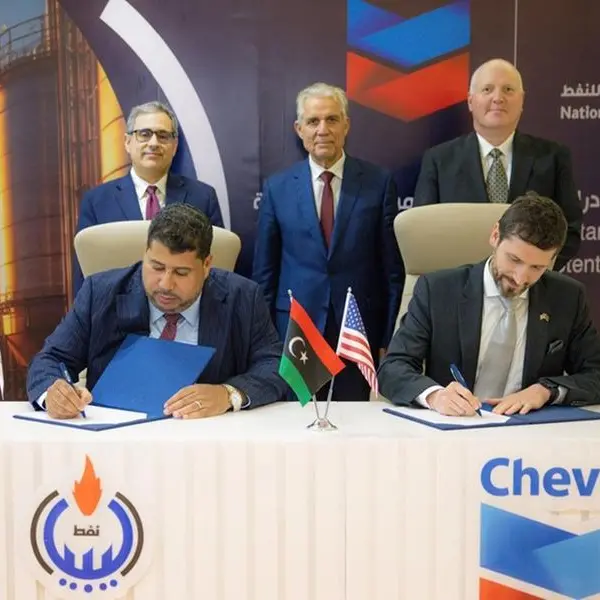
Nizar said in separate comments that SOMO was close to signing an agreement with the US oil giant ExxonMobil covering crude storage, refining, and trading in Asia in a bid to boost exports outside Hormuz.
He said the discussions focused on securing storage capacity in Singapore and other Asian locations, as well as potential cooperation on refining and profit-sharing in crude and product trading.
“Iraq should have copied Saudi Arabia and Iran, which possess oil storage facilities near Singapore and Malaysia, estimated at 155 million bpd and 120 million bpd respectively…Iran’s stockpiles are equivalent to nearly two months of its oil exports,” said Nabil Al-Mrasoomi, an Iraqi energy and economics professor at Basra University.
“A pipeline to Oman is also another feasible means to avoid disruption of its oil exports if Hormuz is again jeopardised,” he added.
(Reporting by N Saeed; Editing by Anoop Menon)