PHOTO
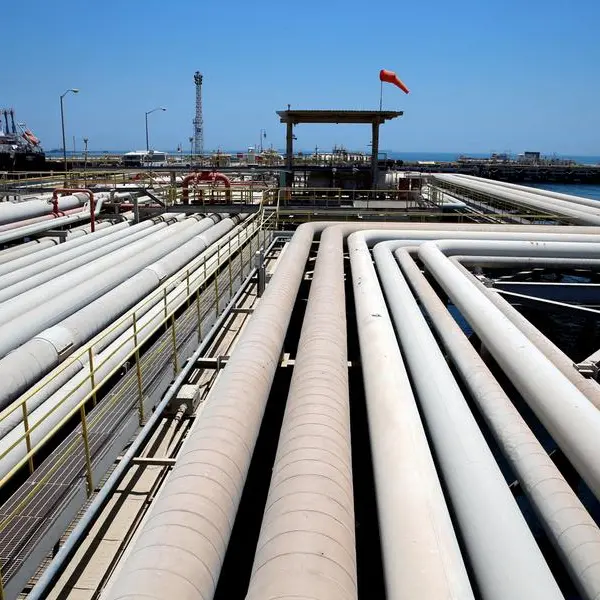
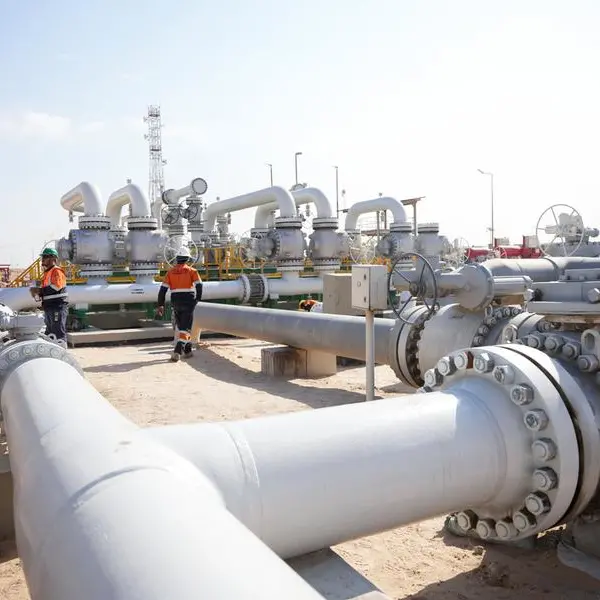
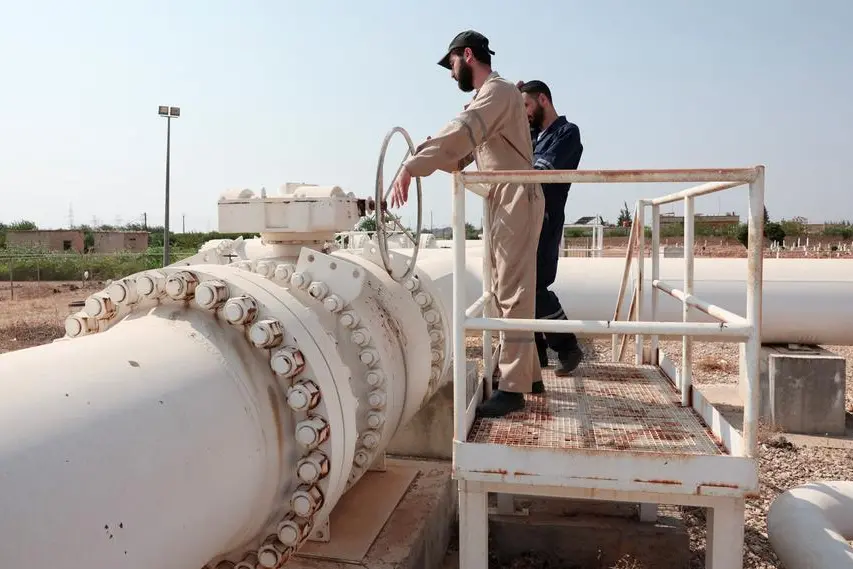
Iraq is pushing ahead with plans to reopen a pipeline that will carry crude oil to a Mediterranean port in Syria as part of a strategy to increase crude exports.
Plans to revive the 850-kilometre oil export pipeline gained pace after Iraq faced the spectre of its oil exports being throttled by a possible closure of the strategic Hormuz Strait by Iran during its conflict with Israel in June 2025.
The pipeline had carried Iraqi crude to the Western Syrian port of Baniyas for many years in the past century before it was crippled by repeated hostilities as well as political and ideological rifts between Baghdad and Damascus.
Iraq’s oil minister Hayan Abdul Ghani last week headed a meeting of officials from the ministry and local oil companies to discuss steps to resurrect the pipeline.
Abdul Ghani stressed the need to complete all available technical and logistical options to implement the project, the ministry said on its website.
“He emphasised that it stands as one of the ministry's major strategic ventures, aimed primarily at opening up new export routes and increasing distribution capacity to ensure high flexibility in facing regional and international challenges,” the ministry said.
“The minister directed the concerned authorities to expedite their specialised studies and submit final recommendations…this move aims to ensure the project remains on schedule, aligning with Iraq’s national interests and its long-term energy security goals.”
Iraq, OPEC second largest oil producer, pumps more than four million barrels per day (bpd) and exports nearly 3.4 million bpd to the US, China, India and other markets.
Sitting atop nearly 145 billion barrels of proven crude deposits, Iraq has been locked in a plan to boost oil output capacity by nearly 40 percent to more than six million bpd despite export terminal restrictions.
In late 2025, the two neighbours resumed discussions on a project to restart the defunct pipeline, which also could supply crude to Syria.
Iraq’s Shafaq news agency reported that the two sides have asked a Turkish company to conduct a feasibility study to determine the project costs.
Previous Iraqi reports had estimated the cost of rehabilitating the pipeline at nearly $8 billion to boost its capacity to 700,000 bpd. Restarting the project partially at a lower capacity could cost much less, they reports noted.
The pipeline, dating back to the early 1950s, linked Iraq’s oil-rich Northern Kirkuk province with the Syrian port of Baniyas. It was crippled during the 1956 Suez crisis before it was rehabilitated in the following years.
Between 1982 and 2000 Iraq shut the pipeline due to political rifts with Syria and it was disabled again after it sustained heavy damage during the 2003 US invasion of Iraq.
Over the past few years, Iraq has considered new outlets for its crude exports to lessen reliance on the Hormuz Strait and following the shutdown of a 970-km pipeline connecting Kirkuk with Ceyhan in Turkey due to rifts between Baghdad and Ankara. That pipeline was re-opened in September after a tripartite agreement between Iraq, Turkey and the northern Iraq semi-autonomous Kurdistan region.
(Writing by N Saeed; Editing by Anoop Menon)
Subscribe to our Projects' PULSE newsletter that brings you trustworthy news, updates and insights on project activities, developments, and partnerships across sectors in the Middle East and Africa