PHOTO
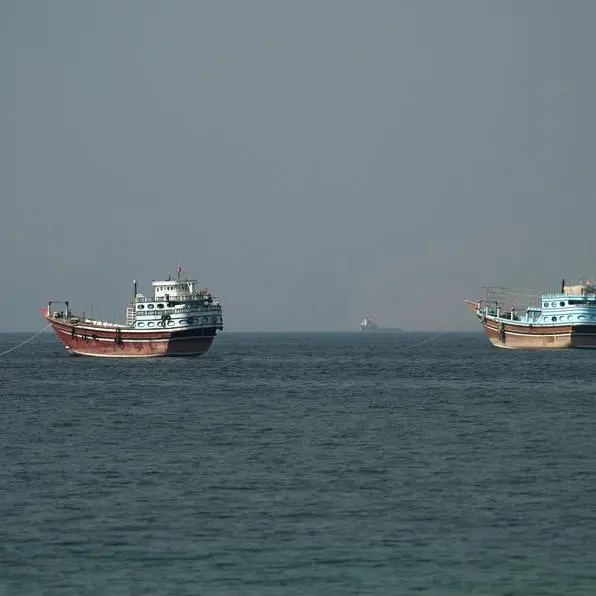
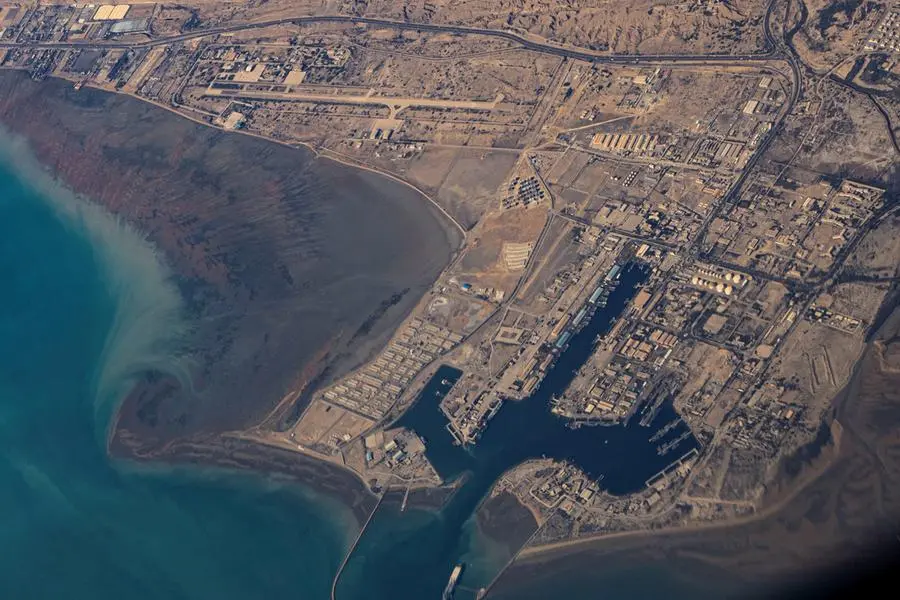
Iran is unlikely to block the Strait of Hormuz, a key maritime route through which nearly 20 percent of global oil and gas supplies pass, according to regional analysts, who note that any closure would also have significant economic consequences for Tehran.
Kamil Al-Harmi, former CEO of Kuwait Petroleum International (Q8), said Iran would be directly affected given that the strait serves as a primary route for its oil exports, estimated at around 3.23 million barrels per day.
Iraqi energy analyst Waleed Khaddouri, a former information director at the Kuwait-based Arab Energy Organisation, noted that despite periodic threats over the decades, Iran has not closed the waterway.
“If you go through history, Iran has never closed Hormuz,” he said, adding that Tehran would lose more economically than it would gain.
The world’s most important oil transit chokepoint has never been blockaded, although tanker traffic was targeted during the late 1980s Iran-Iraq war.
Al-Harmi said major global powers would seek to prevent any disruption to the waterway, given its importance to global energy markets.
“Asian economies would face severe pressure given their heavy reliance on Gulf oil and gas, mainly China which imports nearly 5.4 million bpd through Hormuz,” explained Nabil Marsoomi, an economics professor at Basra University
However, Marsoomi warned that a blockade could drive global oil prices to $100–150 per barrel.
“The question is whether Iran is ready to antagonise the whole world,” he said. “The impact will extend to global supply chains, causing chaos in maritime shipping, increased costs and insurance premiums, and the rerouting of ships to longer routes, along with a significant and pre-existing increase in oil tanker prices.”
A broader Iran–US conflict could tighten European gas markets, according to a note from London-based Independent Commodity Intelligence Services (ICIS). The firm’s modelling indicates that a 90-day halt to Qatari LNG exports to Europe, alongside reduced spot cargo availability, would sharply tighten the global LNG balance and intensify competition between Asia and Europe for flexible supply.
On the other hand, a surge in its own production and diversification of sources outside the Middle East has meant that the US is not dependent on the region for its energy needs. Current US imports from the Gulf via Hormuz are estimated at below 500,000 barrels per day.
“I think the US must have some plans… don't forget the US is now marketing Venezuelan crude. How much we don't really know…also don't forget that Russian oil is looking for markets to replace Iranian crude,” said Khaddouri.
(Reporting by N Saeed; Editing by Anoop Menon)
Subscribe to our Projects' PULSE newsletter that brings you trustworthy news, updates and insights on project activities, developments, and partnerships across sectors in the Middle East and Africa.