PHOTO
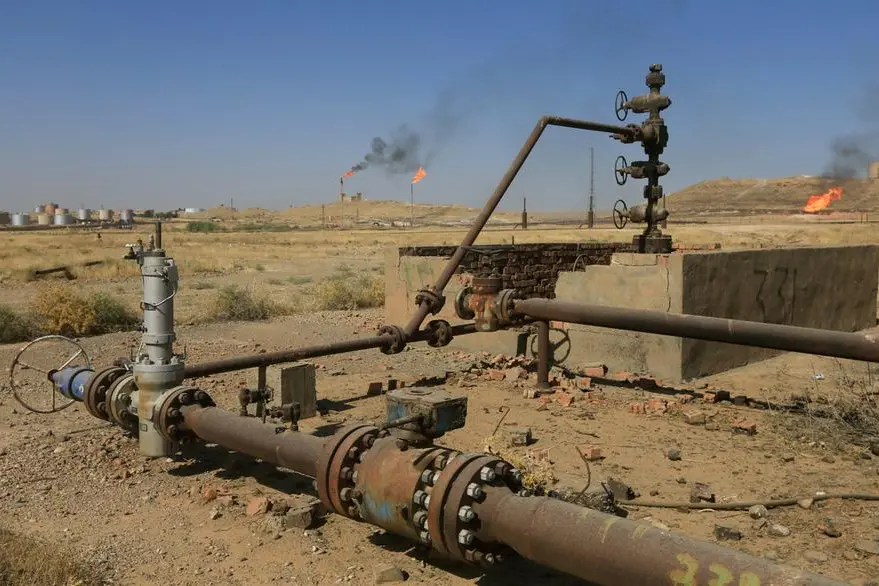
Iraq has asked the Kurdistan Regional Government (KRG) if it would pump at least 100,000 barrels of crude per day from its state-managed Kirkuk oilfields to Turkey's Ceyhan port, two oil officials familiar with the matter told Reuters.
Iraq's oil ministry sent a letter to the KRG with the request early last week, the officials said.
The Kurdistan Pipeline Company operates Iraqi Kurdistan's main oil pipeline, which transports crude from northern Iraq to a border connection point with the Iraq–Turkey pipeline.
Shipments could gradually increase depending on availability, and Baghdad would pay the transit fees, the officials said.
The officials said the step was taken to mitigate the huge losses to Iraq’s oil revenues caused by the halt of southern crude exports. They added that the KRG had not yet responded to the request.
Confirming the request, a spokesperson for the Kurdistan Regional Government told Reuters that Baghdad had asked for exports of up to 200,000 barrels per day via the Kurdistan Region, but said no agreement had yet been reached.
"We are currently in discussions regarding this matter; however, we have not yet reached an agreement, as there are several technical details between us that still need to be settled," KRG spokesperson Peshawa Hawramani told Reuters.
However, speaking to Reuters, a senior KRG official said any decision to grant use of the pipeline would come with conditions.
"No drop of oil will pass through the pipeline unless Baghdad gives the KRG immediate dollar relief for imports and security guarantees for international oil companies to restart production (in Kurdistan)," said the official who asked not to be named due to the sensitivity of the matter.
Some energy companies operating in Iraqi Kurdistan shut oil and gas production as a precaution as the US and Israel launched strikes on neighbouring Iran.
Oil production from Iraq's main southern oilfields, where most of its oil is produced and exported, has fallen by 70% to just 1.3 million from 4.3 million bpd, sources said on March 8, as the country is unable to export via the Gulf due to the Iran war.
Iraq's northern Kirkuk oilfields, meanwhile, are currently producing around 350,000 bpd, with all of it diverted to domestic refineries in the north, including the country's largest, the Baiji refinery.
The oil ministry would send crude from its southern oilfields to Baiji to compensate for the Kirkuk oil being sent to Ceyhan, one oil ministry source said.
Falling oil production and lower exports are likely to tighten Iraq’s already fragile fiscal situation, as the government relies on crude income for nearly all of its budget.
Copyright 2026 Al Hilal Publishing and Marketing Group Provided by SyndiGate Media Inc. (Syndigate.info).