PHOTO
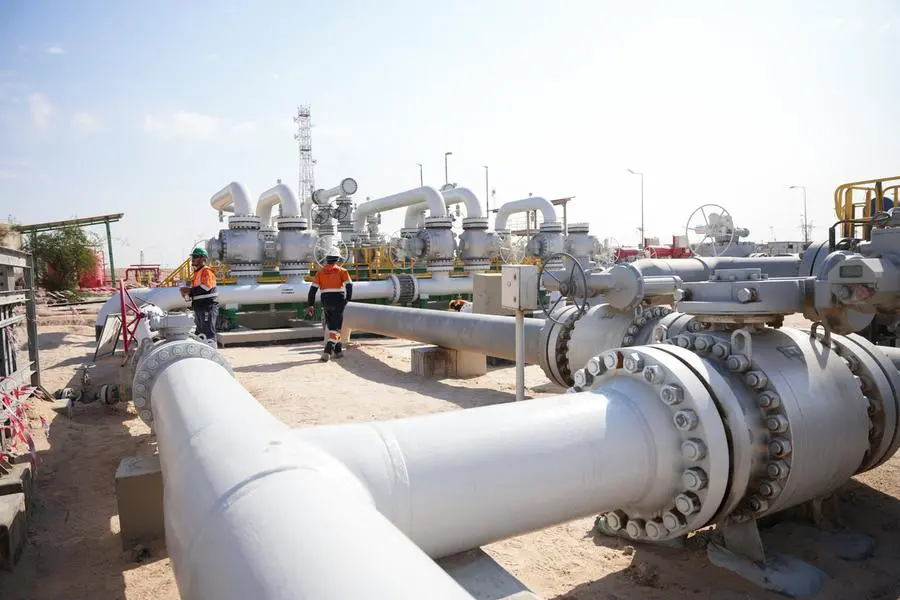
Iraq has halted production at the Rumaila oil field, one of the world’s largest oilfields, after ear-driven disruption to exports through the Strait of Hormuz raised concerns over limited storage capacity, according to local media reports
The field, located about 50km west of Basra, is Iraq’s largest producing oilfield, spanning around 1,600 square kilometres, and accounts for roughly one-third of the country’s crude output.
The report on the closure by local news website Alsumaria.tv added that any prolonged shutdown at Rumaila could have a significant impact on Iraq’s production levels and global oil markets.
Iraq produces more than 4 million barrels per day (bpd) of crude and relies almost entirely on southern export terminals operated by Basra Oil Company, linked to loading and storage facilities in Al-Faw, Khor Al-Zubair and Zubair. The oil from these terminals is shipped through the Strait of Hormuz to customers in Asia and beyond.
Exports from the Kurdistan Region through Turkey’s Ceyhan port have been already suspended due to the security situation after previously averaging around 200,000 bpd.
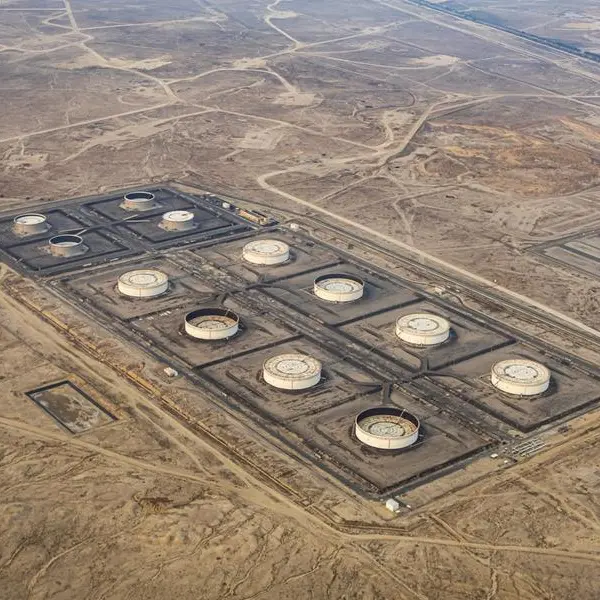
The export infrastructure at the ports isn’t designed to support long-term storage, a report by Shafaq News said. Iraqi economic expert Mohammed Al‑Hassani told by local news website that if tankers stop loading, storage tanks could fill within days or weeks.
“Operators would then have to gradually reduce production and potentially shut in some wells temporarily,” he said.
Al_Hassani said that if exports of between 3.3 million and 3.5 million bpd were suspended, Iraq could lose $260 million to $280 million per day in oil revenues, or more than $8 billion per month, assuming an oil price of $80 per barrel.
Domestic fuel supply unaffected
Despite the export disruption, Iraq’s Ministry of Oil said domestic fuel supplies remain secure.
The ministry said in a statement that refineries in southern, central and northern Iraq are operating at full capacity to produce gas oil, kerosene, gasoline and liquefied petroleum gas (LPG), while fuel distribution outlets are operating around the clock.
Officials said the reduction in crude production will not affect refinery operations or the availability of fuel for domestic consumption.
Kurdistan output also hit
In the Kurdistan Region, Abu Dhabi-listed Dana Gas temporarily suspended production at the Khor Mor gas field, the region’s largest gas field, citing security concerns linked to the regional escalation.
The halt is expected to reduce electricity generation capacity by 2,500–3,000 megawatts (MW).
Oslo-listed DNO also halted oil production at the Tawke and Peshkabir fields as a precautionary measure.
Analysts note that Iraq has fewer logistical options during supply disruptions than some Gulf producers such as Saudi Arabia, the UAE and Kuwait that maintain overseas storage facilities that allow exports to continue during regional crises. Moreover, both Saudi Arabia and the UAE have pipelines that bypass the strait.
(Writing by Majda Muhsen; Editing by Anoop Menon) (anoop.menon@lseg.com)
Subscribe to our Projects' PULSE newsletter that brings you trustworthy news, updates and insights on project activities, developments, and partnerships across sectors in the Middle East and Africa.