PHOTO
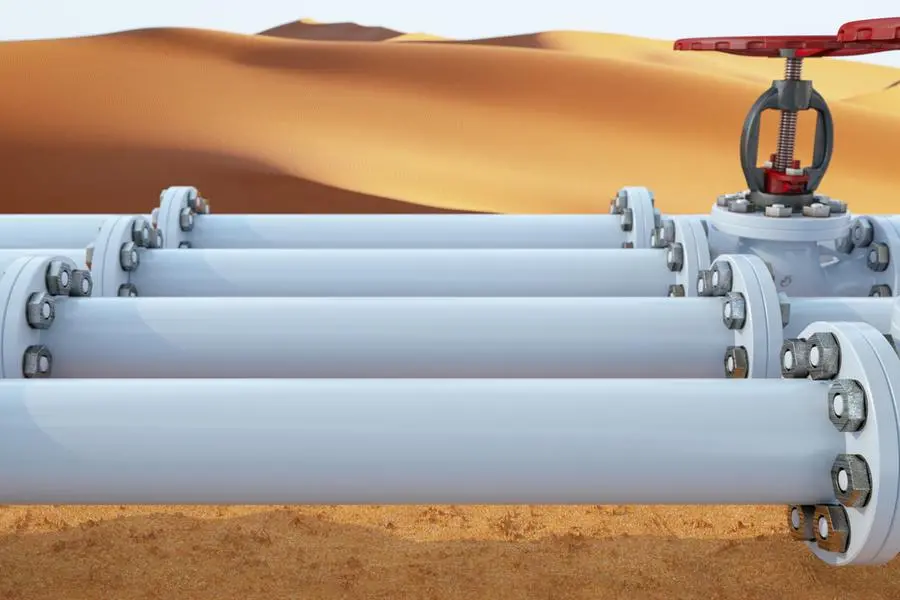
Gulf countries should consider launching a joint regional project to develop export pipelines to the Gulf of Oman or the Arabian Sea to enable crude oil and natural gas to reach global markets through alternative routes, a Kuwait-based Arabic language newspaper reported on Thursday.
Al Rai quoted Mohammed Hussein, former CEO of Kuwait-based petrochemical company EQUATE as saying a joint pipeline network initiative would represent a long-term strategic solution to mitigate potential disruptions at Hormuz and strengthen the resilience of the region’s energy export infrastructure, he said.
The Strait of Hormuz, which serves as the primary outlet for oil and gas exports from countries located north of the strait, remains a critical chokepoint, he noted.
Hussein added that modern metering and monitoring technologies now allow accurate tracking of oil and gas volumes for each country even when shared pipelines are used, eliminating technical and accounting complications.
According to the International Energy Agency (IEA), an average of around 20 million barrels per day (bpd) of crude oil and petroleum products transited the Strait of Hormuz in 2025, representing about 25 percent of global seaborne oil trade.
Currently, only Saudi Arabia and the UAE operate crude export pipelines capable of bypassing the strait, with an estimated 3.5 million to 5.5 million bpd of alternative capacity, the agency said. Iraq, Kuwait, Qatar and Bahrain rely on the strait to export the vast majority of their oil and gas shipments.
(Reporting by Majda Muhsen; Editing by Anoop Menon) (anoop.menon@lseg.com)
Subscribe to our Projects' PULSE newsletter that brings you trustworthy news, updates and insights on project activities, developments, and partnerships across sectors in the Middle East and Africa.