PHOTO
Iraq will require cumulative investments of between $10 billion and $15 billion over the coming years to achieve self-sufficiency in natural gas and fully eliminate the burning of associated gas, according to Mudher Mohammed Saleh, financial adviser to Prime Minister Mohammed Shia Al-Sudani.
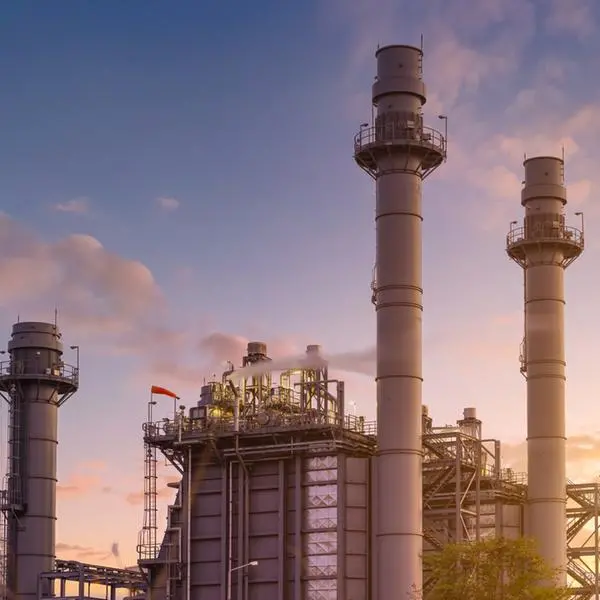
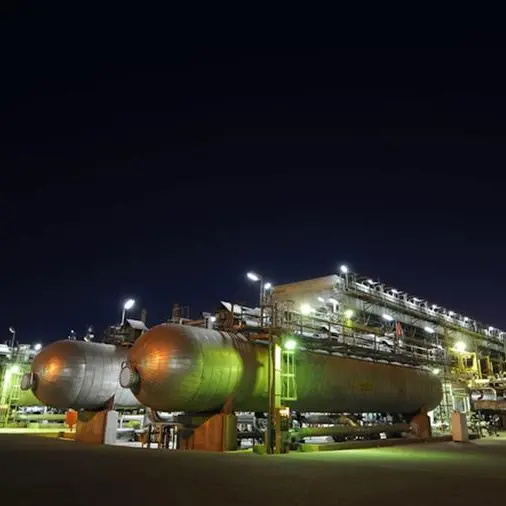
Saleh told Zawya Projects that the strategy centres on building and expanding gas processing plants, laying pipeline networks, constructing separation and dehydration units, and directly supplying the gas to electricity and industrial sectors.
Three-stage roadmap
He said Iraq’s gas development plan is being implemented in three phases.
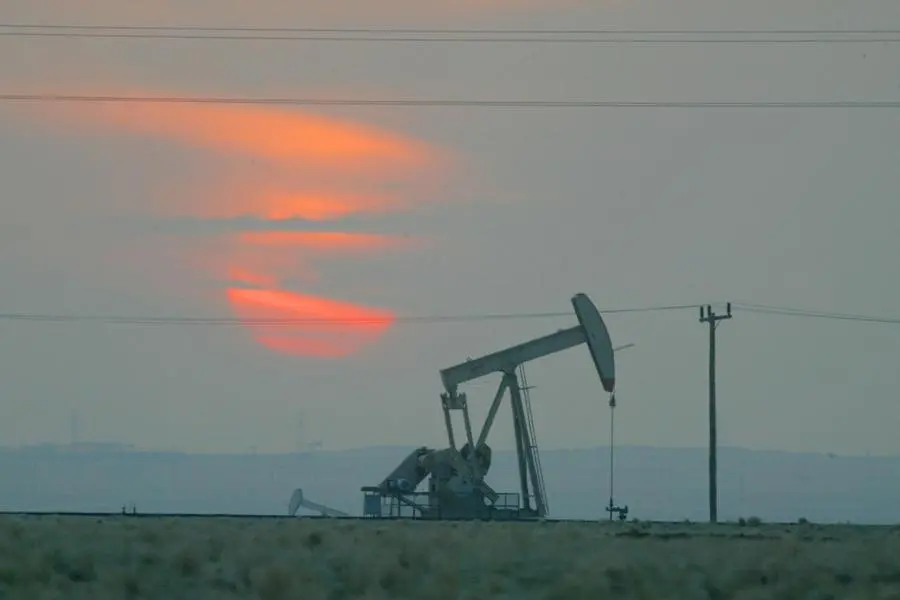
The first phase focuses on improving efficiency in capturing associated gas and reducing flaring, enabling gradual cuts in gas imports.
The second phase targets near-total elimination of flaring and the creation of associated gas processing capacity to meet domestic demand, particularly for electricity generation.
In the final phase, surplus gas will be channeled into petrochemical industries or value-added exports.
“This marks a shift from wasting a strategic resource to using it as a driver of economic diversification and reduced dependence on imports,” Saleh said.
Last month, the Iraqi Prime Minister had stated that the OPEC member has made significant progress in capturing associated gas, with the rate of flaring reduced by more than 72 percent, with flaring to be fully eliminated by the end of 2028.
Refineries and value-added exports
Saleh added that the roadmap also includes commissioning new refineries and expanding and modernising existing facilities, with an emphasis on improving efficiency and product quality.
The aim is to reduce crude oil exports while increasing shipments of refined petroleum products, strengthening Iraq’s trade balance and supporting job creation.
Financing projects
Acknowledging current fiscal pressures, Saleh said multiple financing tools are available, including structures supported by the World Bank and its institutions, to help manage high-return investments with medium- to long-term economic impact.
He said funding is expected to come through a mix of government investment, partnerships with international companies and innovative financing mechanisms.
Returns would extend beyond ending gas imports, he added, delivering annual savings of billions of dollars, easing pressure on the trade balance, creating thousands of direct and indirect jobs, and generating significant environmental and public health benefits through reduced flaring.
Saleh said successful delivery will depend on strict adherence to project timelines, securing smart financing partnerships and building strong institutions capable of managing the energy transition with efficiency and transparency.
He added that exporting refined products instead of crude oil would also strengthen Iraq’s position in global energy markets.
(Reporting by Majda Muhsen; Editing by Anoop Menon)
Subscribe to our Projects' PULSE newsletter that brings you trustworthy news, updates and insights on project activities, developments, and partnerships across sectors in the Middle East and Africa.