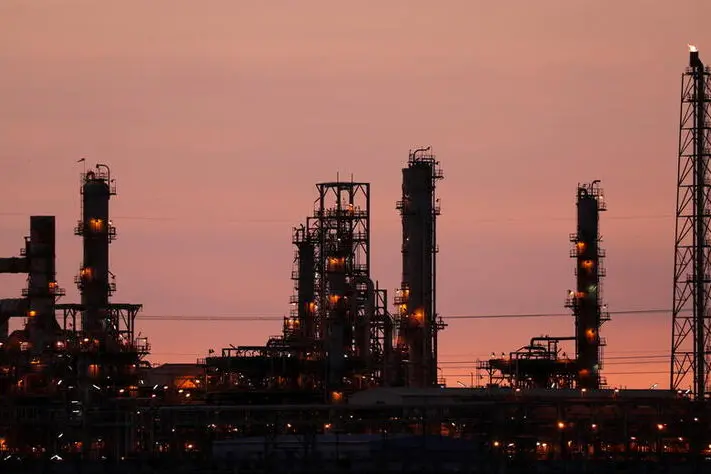
PHOTO
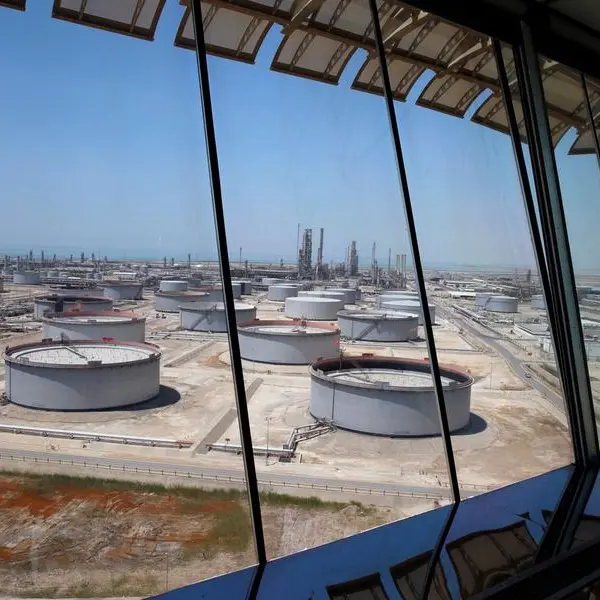
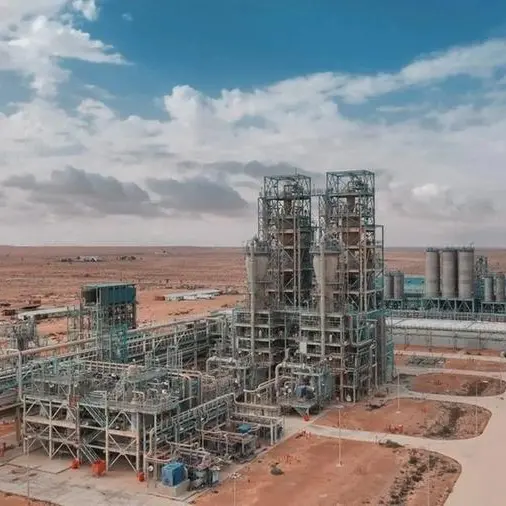
Egypt has invited banks and other investors to offer refining projects within plans to achieve self-sufficiency in gasoline and diesel.
Prime minister Mostafa Madbouly discussed the plan at a weekend meeting with cabinet ministers, central bank officials and others for securing funding for such projects that are intended to end imports of refined products.
Madbouly said on the cabinet’s website that Sunday’s meeting aimed to follow up on mechanisms for achieving self-sufficiency in petroleum products including gasoline and diesel by encouraging investment in the refining sector and securing the necessary funding for these projects.
He said these projects will also reduce the import bill for petroleum products.
Energy and mineral resources minister Karim Badawi said the ministry intends to hold a meeting soon with several investment banks to present project opportunities in the petroleum and mineral resources sector, including financing projects to achieve self-sufficiency in diesel and gasoline.
“We will present a list of projects to international investors and banks, showcasing investment opportunities in the petroleum sector, particularly in refining projects.”
Egypt, the third largest Arab economy, has embarked on a drive to increase its oil and gas resources and expand refining and other sectors.
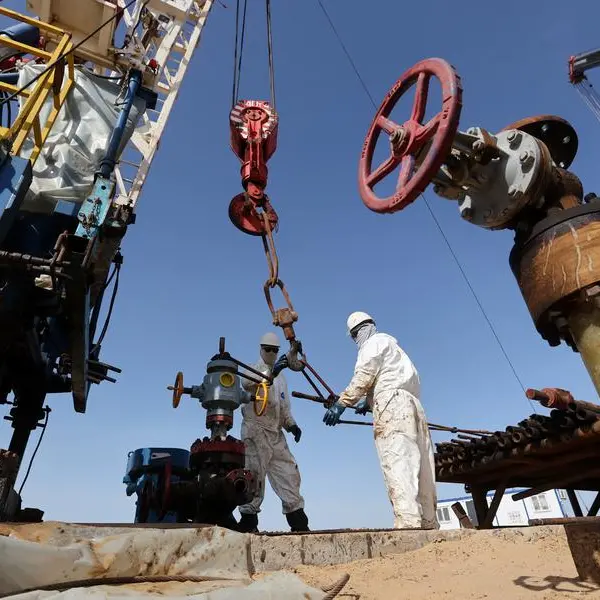
The most populous Arab country has approved a $5.7 billion five-year plan for the drilling of 480 oil wells, including nearly 100 wells this year.
Last week, Badawi announced that the ministry plans to unveil a new package of incentives to encourage oil companies to intensify operations and to attract fresh investments in the hydrocarbon sector.
Egypt’s proven crude oil and gas deposits are estimated by the Kuwaiti-based Arab Energy Organisation at 3.3 billion barrels and 2.1 trillion cubic metres respectively.
(Writing by N Saeed; Editing by Anoop Menon)
Subscribe to our Projects' PULSE newsletter that brings you trustworthy news, updates and insights on project activities, developments, and partnerships across sectors in the Middle East and Africa.