PHOTO
The military escalation in the Middle East may cost economies in the region from 3.7 to 6 percent of their collective Gross Domestic Product (GDP), a staggering loss of $120-194 billion, a new United Nations study has found.
“Coupled with an estimated rise in unemployment of up to 4 percentage points or 3.6 million jobs lost—more than the total jobs created in the region in 2025, these reversals will push up to 4 million people into poverty,” the United Nations Development Programme (UNDP) said in a study on Tuesday.
The assessment - “Military Escalation in the Middle East: Economic and Social Implications for the Arab States region” - exposes the concerning reality of structural vulnerabilities characteristic to the region, which enable a short lived military escalation to generate profound and widespread socio economic impacts that may persist over a long-term.
UNDP said it had studied a number of different scenarios to determine how the conflict, which began on 28 February, might affect countries in the region. The report’s authors indicated that the damage could be profound, even if the war ends relatively soon.
“A short-lived military escalation in the Middle East could generate profound and widespread socio-economic impacts across the Arab States region,” they said.
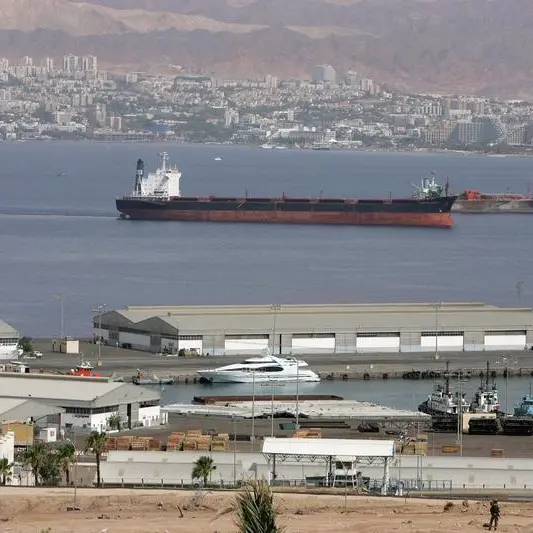
“Since the escalation began, maritime security risks and attacks on tankers have sharply curtailed shipping activity through the Strait of Hormuz.”
The study warned that even limited military escalation or accidental incidents affecting Hormuz can rapidly destabilise global energy markets and trigger sharp price movements.
The study added that simulations suggest that the military escalation could generate substantial but uneven macroeconomic impacts across the Arab States region.
Simulations indicate the Gulf Cooperation Council (GCC) countries would experience macroeconomic impacts. GDP is projected to decline between 5.2 percent under the moderate disruption scenario and 8.5 percent under the most severe scenario.
(Writing by N Saeed; Editing by Anoop Menon)
Subscribe to our Projects' PULSE newsletter that brings you trustworthy news, updates and insights on project activities, developments, and partnerships across sectors in the Middle East and Africa.