PHOTO
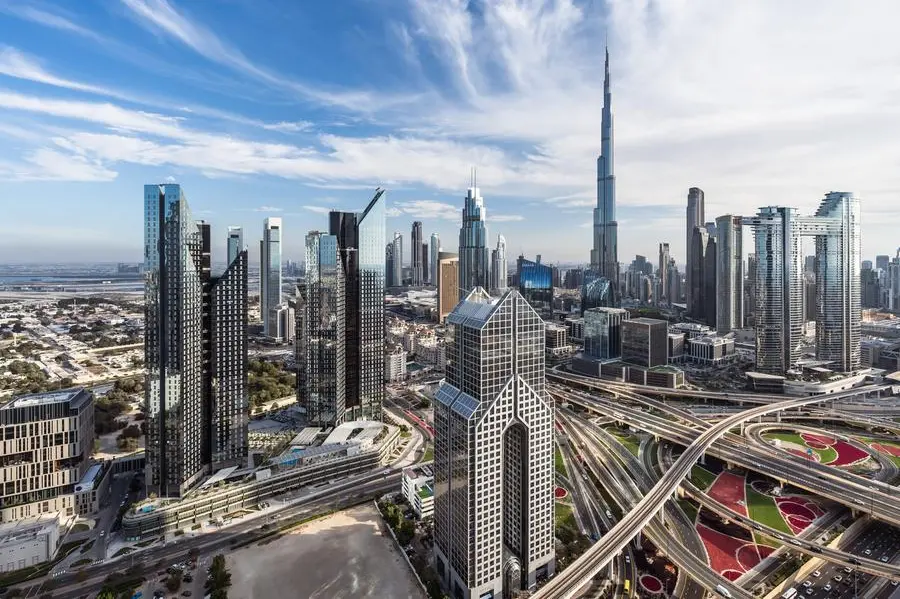
Solid liquidity buffers and positive operating cash flow generation for UAE developers will support ongoing construction activity and debt servicing in the next 12 months, providing some cushion against near-term volatility in sales volumes or pricing, Moody's said in a new report.
Even though the conflict in the Middle East has slowed sales and increased uncertainty in the real estate market, there are no indications, to date, of a sharp demand freeze, the report said.
Developers have managed slowing sales through promotions and by loosening payment terms rather than through price reductions.
Moody's said the UAE real estate companies rated by the firm are generally more resilient than in previous cycles. Nevertheless, prolonged disruption to the Strait of Hormuz may expose issuers to increasing credit risk, primarily due to supply chain disruptions, as well as the risk of a lasting decline in investor confidence.
Disruption from constrained shipping activity and higher energy prices may directly affect developers’ access to building materials, leading to higher construction costs and potential project delays.
Moreover, heightened geopolitical and security risks from the US-Iran conflict have increased demand uncertainty, particularly for Dubai. Transaction volumes for completed units declined by 51 percent in March–April 2026, compared with the average levels seen in January–February, the report said, citing the most recent transaction data from the Dubai Land Department (DLD).
"These risks will increase pressure on transaction volumes, pricing momentum, and population inflows. Should a meaningful supply–demand imbalance materialise, rental yields. would come under pressure, ultimately weighing on both primary and secondary market property prices," the report said.
Moody's said that a geopolitical shock coincides with an anticipated cyclical cooling, as around 180,000 off-plan residential units are completed through 2028, and population growth normalises from the elevated levels in the 2020–2025 period.
The US and Iran agreed on a fragile ceasefire on 8 April, 2026, but security risks remain heightened.
(Editing by Anoop Menon) (anoop.menon@lseg.com)
Subscribe to our Projects' PULSE newsletter that brings you trustworthy news, updates and insights on project activities, developments, and partnerships across sectors in the Middle East and Africa.