PHOTO
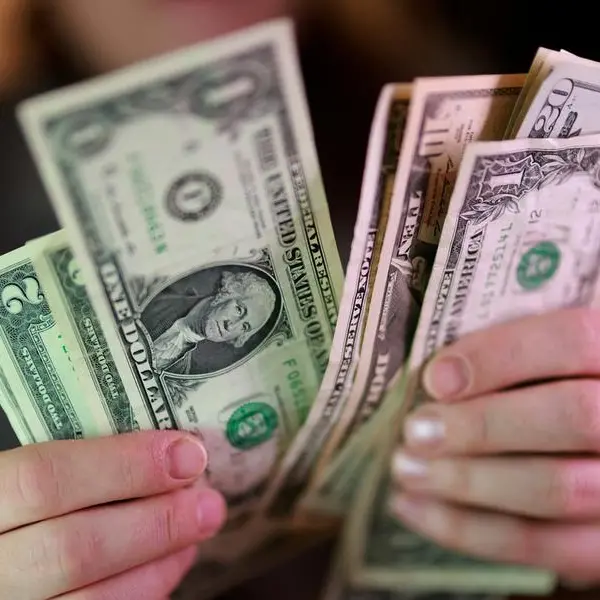
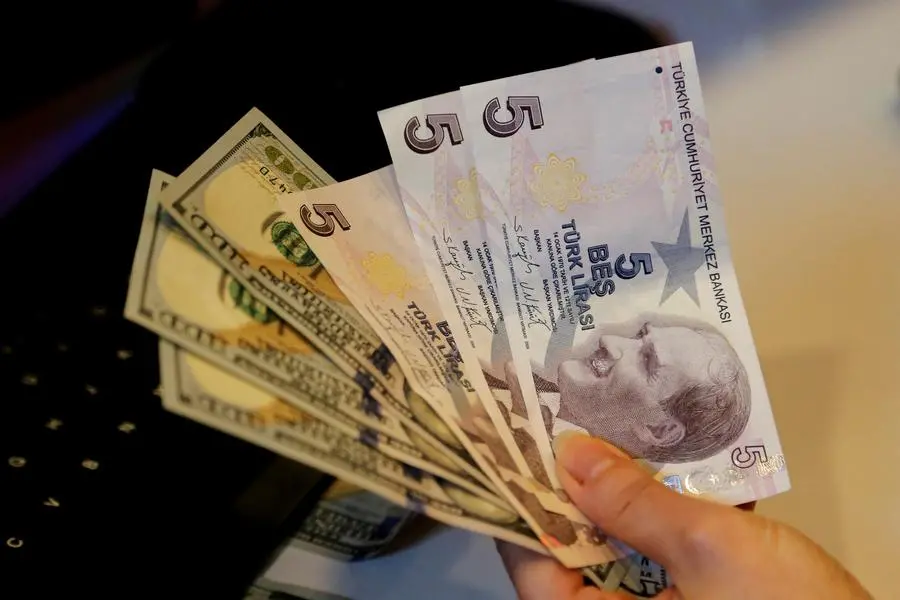
The dollar was higher on Friday after the U.S. economy posted another month of strong employment gains in May.
Nonfarm payrolls increased by 172,000 jobs last month, the Labor Department's Bureau of Labor Statistics said in its closely watched employment report on Friday. Economists polled by Reuters had forecast payrolls increasing by 85,000 jobs after a previously reported 115,000 rise in April.
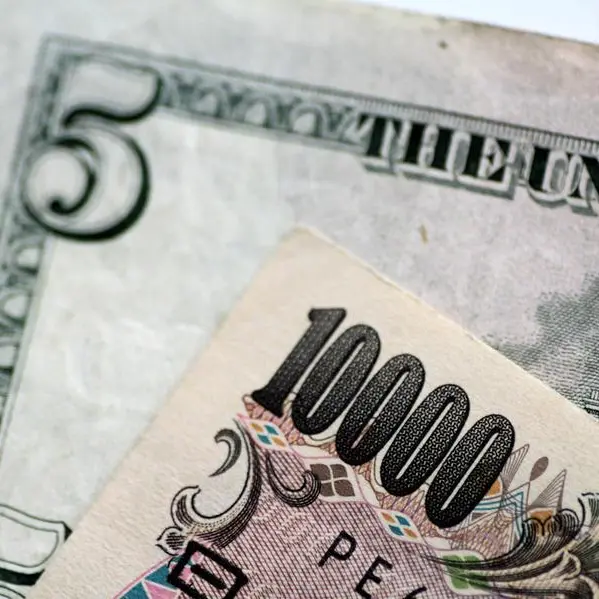
The number sent the dollar up sharply against the yen, which has been testing the 160-per-dollar barrier this week, drawing sharp warnings from Japanese officials as Middle East tensions have underpinned safe-haven demand.
The yen was last down 0.05% against the dollar at 160.115. It was headed for a fourth straight weekly loss against the dollar, having unwound gains from official buying in late April and early May.
The 160-per-dollar mark has previously triggered intervention and its proximity prompted another warning from Finance Minister Satsuki Katayama, who said Japan was ready to respond at any time and reserved the right to take "decisive action" against excessive volatility.
The Bank of Japan is widely expected to raise interest rates this month, as higher energy import costs add to price pressures. Money markets also point to a second hike by year-end.
Investors widely expect the Fed to leave rates unchanged when it meets this month, according to CME's FedWatch tool.
"The bar to a Fed change is very high, and I don't think this cuts it," said Marc Chandler, chief market strategist at Bannockburn Global Forex. "I still think there's a good chance of a hike before the end of the year, but we'll have to see."
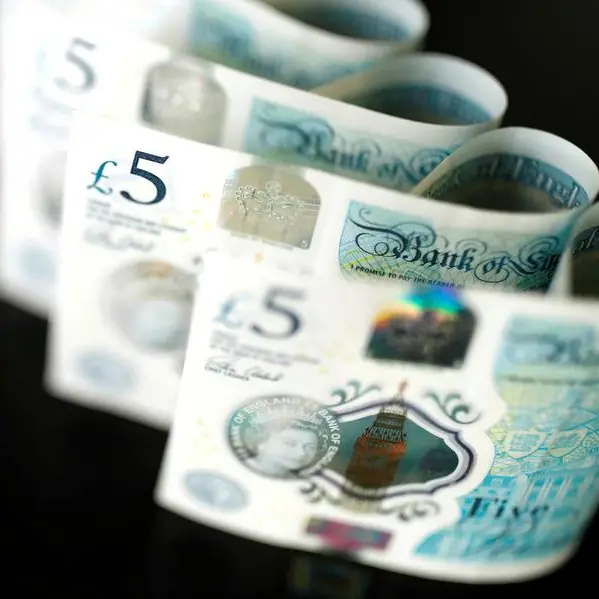
The euro fell after the release of U.S. jobs data, and was last down 0.29% at $1.1575, despite expectations of up to three European Central Bank rate hikes this year. The pound fell 0.12% to $1.34.
"From a euro perspective, the perpetuation of elevated energy prices remains a drag on activity there," CIBC Capital Markets head of G10 FX, Jeremy Stretch, said.
GULF HOSTILITIES SUPPORT DOLLAR DEMAND
Peace talks between the U.S. and Iran are at a stalemate, and a reignition of hostilities this week has kept oil above $90 a barrel, raising risks to global growth.
On Friday, Iran reaffirmed support for its Lebanese ally Hezbollah and demanded Israel withdraw from southern Lebanon, underscoring complications facing an interim deal to end the broader conflict between the U.S. and Iran.
Iran has made a ceasefire between Israel and Hezbollah a condition for any peace deal with Washington to resolve the regional war, now in its fourth month, and restart shipping through the Strait of Hormuz.
"It’s back to square one as far as the resumption of peace negotiations between the U.S. and Iran is concerned," said David Morrison, senior market analyst at Trade Nation, in a research note. "But, as has been the case since the end of March, investors have chosen to look past the current hostilities on the assumption that the war will soon end."
The dollar has been the stand-out in foreign exchange this week, rising about 0.4% against a basket of major currencies and around 1.3% over the past month. It has been supported by strong U.S. data, expectations for Federal Reserve rate hikes and safe-haven demand amid concerns about the impact of higher energy prices - due to the closure of the Strait of Hormuz - on importers such as the euro zone, Japan and China.
In cryptocurrencies, bitcoin was set for a 15% weekly drop after hitting its lowest level since February. It was last down 3.74% at $61,211. (Additional reporting by Jiaxing Li in Hong Kong. Editing by Thomas Derpinghaus, Mark Potter and Alexander Smith)