PHOTO
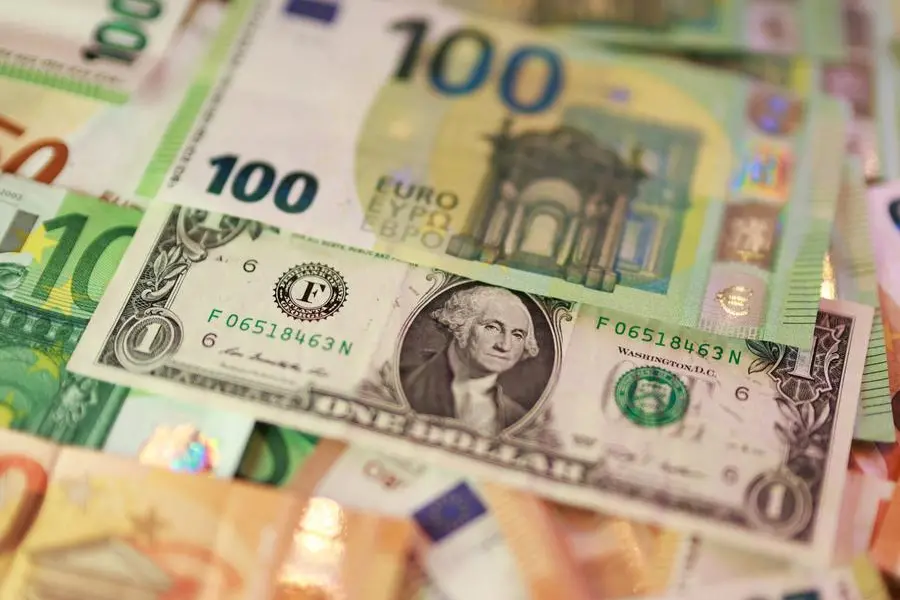
HONG KONG/LONDON - The U.S. dollar extended gains to reach a 13-month high against a basket of major currencies on Wednesday, as investors sought shelter from a tech stock selloff and prepared for rate hikes from the Federal Reserve.
Stock market volatility continued after a broad selloff of technology and semiconductor sectors, sparking safe-haven demand for the dollar and bonds.
Meanwhile expectations of a U.S. rate hike continued to build, with Fed officials sounding increasingly hawkish as the economy remains strong.
Also supporting safe-haven demand, the U.S. and Iran appeared to be at odds on some major aspects of their framework agreement.
The dollar index, which measures the greenback against a basket of major peers, climbed to a high of 101.69, the strongest level since May 2025. It was last up 0.2% on the day.
'PREFERRED SAFE HAVEN'
"The U.S. dollar is still the preferred safe haven," said Ray Attrill, head of FX strategy at National Australia Bank.
"Obviously the momentum is on its side at the moment, but I think there is a lot priced in," he said.
Markets are pricing in a 36% chance of an interest rate hike at the Fed's July meeting, up from 9% a week ago, according to CME FedWatch. For September, the chance of a rate rise has risen above 70% from 29%.
The euro fell 0.3% to a more than one-year low of $1.134 as the dollar strengthened.
"The move lower in EUR/USD has been driven by the recent divergence in market expectations for ECB and Fed policies," said Lee Hardman, senior currency analyst at MUFG.
"While the U.S. rate market has moved to price in multiple Fed rate hikes, the euro zone rate market has become less confident over the need for further ECB rate hikes."
The British pound weakened slightly against the dollar to $1.319, with Bank of England policymaker Alan Taylor saying an "extended hold" for interest rates was the right response to inflation pressures.
The risk-sensitive Australian dollar fell 0.3% to $0.689, its lowest since early April, as mixed inflation data muddied bets on a rate hike.
YEN STRUGGLES TO SHAKE OFF WEAKNESS
The Japanese yen last traded at 161.69, struggling to regain ground as the greenback's strength persisted. A break above 161.96 would leave the yen at its weakest level since 1986.
The latest round of verbal warnings from Japanese officials this week has done little to relieve sustained pressure on the currency and the government is now making plans to better manage its $1.3 trillion foreign exchange reserves for yen intervention.
The yen could weaken to 165 per dollar if the Fed raises interest rates this year, former Bank of Japan policymaker Sayuri Shirai said.
Some Bank of Japan board members called for additional rate hikes to push the central bank's policy rate closer to levels deemed neutral to the economy, a summary of opinions from their June policy meeting showed on Wednesday.