PHOTO
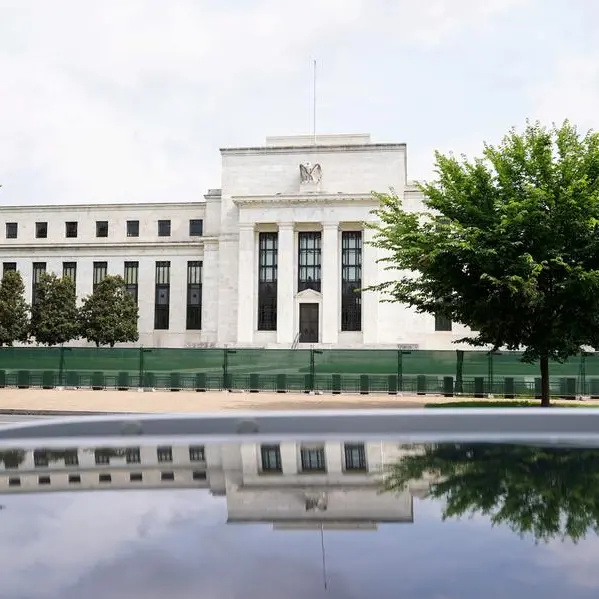
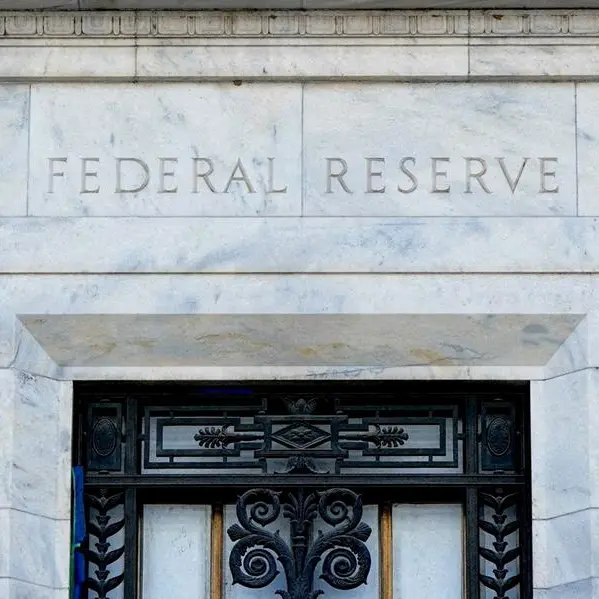
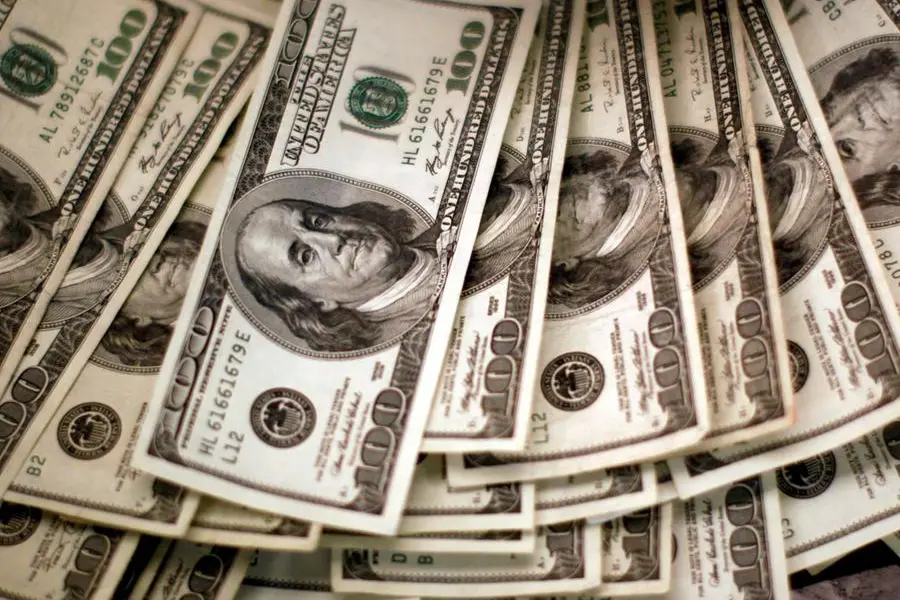
LONDON/SINGAPORE - The dollar held steady against most major peers on Wednesday ahead of the Federal Reserve's first policy decision under chair Kevin Warsh, which could see some volatility as investors adjust to a new style of policy making and communication.
The euro was flat on the day at $1.1605, while the pound softened a fraction on both the dollar, to $1.3420, and the euro, to 86.5 pence to the common currency, after cooler-than-expected UK inflation data that could give the Bank of England cover to hold off on raising rates this year.
But the big event of the day, the Fed meeting, is still to come, and left investors hesitant to take on large positions.
The Fed is widely expected to stand pat at Warsh's debut meeting. The statement, economic projections and news conference, however, will be scrutinised for any signals of the Fed dropping its easing bias as officials grow more hawkish on inflation risks.
"There have been many central banks meeting this month, but this is the one that's overshadowing everything," said Jane Foley, head of FX strategy at Rabobank.
"There is a lot of uncertainty over what Warsh might signal. No one is expecting a change in interest rates, but is he going to try and downplay the dot plot? Try and set up a new framework? Try to steer them towards an easing bias?" she said.
The so-called "dot plot" shows policymakers' expectations for the future path of interest rates. Warsh was appointed by U.S. President Donald Trump, who repeatedly criticised the previous Fed chair, Jerome Powell, for being slow to cut rates.
Money market pricing actually reflects around an 80% chance of the Fed hiking rates this year.
Before the U.S. and Iran reached an interim agreement to end the war in the Middle East, economists had thought the Fed would signal some willingness to raise rates to try to limit the extent to which elevated energy costs spill over into broader inflation.
Now though, oil is back below $80 a barrel and the Fed may give different signals.
BoE AND BOJ
The Bank of England meets on Thursday, and as with the Fed, no change in policy is expected, and the focus will be on commentary from policymakers.
As well as lower energy prices, that commentary could also be shaped by Wednesday's inflation data, which showed inflation unexpectedly held at 2.8% in May, unchanged from the 13-month low reached in April.
"We need to keep watching the data, but if economists think the peak in UK inflation could be lower than they had thought, the BoE could get away without hiking rates this year," Rabobank's Foley said.
Markets currently see one BoE rate hike by year-end.
The yen last stood at 160.25 per dollar, a touch stronger on the day but still leaving traders on alert for any potential intervention from Japanese authorities to shore up the persistently weak currency.
The BOJ on Tuesday raised rates to a 31-year high in a landmark step in its policy normalisation, signalling readiness to tighten further as it focuses on taming price pressures from the war-induced energy shock.
However, policymakers offered few clues on the timing of the next rate hike.
Sweden's crown weakened on both the dollar and the euro after its central bank kept its policy rate unchanged. The Riksbank said the war in the Middle East had increased inflationary pressures, raising the probability of a rate hike, but also that underlying inflation was low and economic activity somewhat weaker than normal.
The euro was last 0.15% on the crown at 10.88 while the dollar rose 0.19% to 9.383 crowns.