PHOTO
(The opinions expressed here are those of the author, a columnist for Reuters.)
ORLANDO, Florida - When the U.S. dollar jumps, the rest of the world holds its breath, awaiting the bout of imported inflation that often follows. The sound you hear now, however, may be a collective sigh of relief.
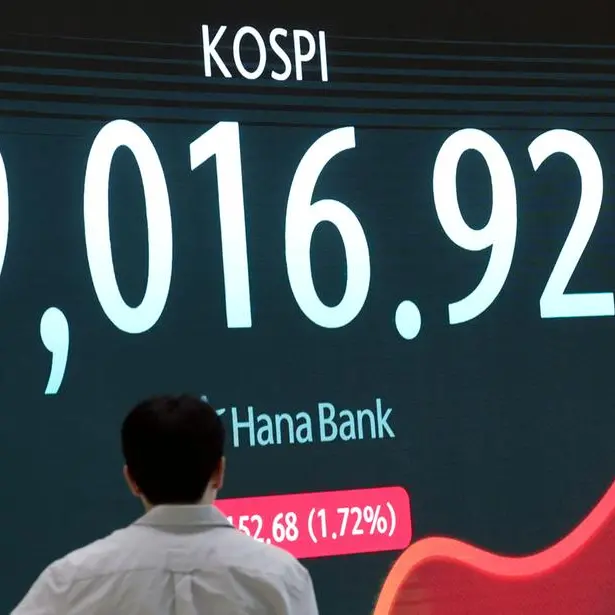
The dollar, boosted by rising U.S. rate expectations, is the strongest it has been in over a year against many major rivals, including the euro and yen. It's also at multi-year peaks against many emerging market currencies: South Korea's won hit a 17-year low earlier this month.
A weak domestic exchange rate raises the cost of imported goods, materials and inputs, especially dollar-denominated energy and commodities that all countries rely on to varying degrees. But the greenback's inflationary impact is being offset now by a steep slide in global energy prices triggered by the U.S.-Iran interim peace agreement.
This will be a huge relief for policymakers everywhere, particularly in energy-importing countries in Asia that had entered an exchange rate/inflation doom loop. Inflation fears push the currency lower, intensifying price pressures and raising inflation expectations.
They may be closer to exiting that loop than they imagined only a few weeks ago.
OIL DISINFLATION
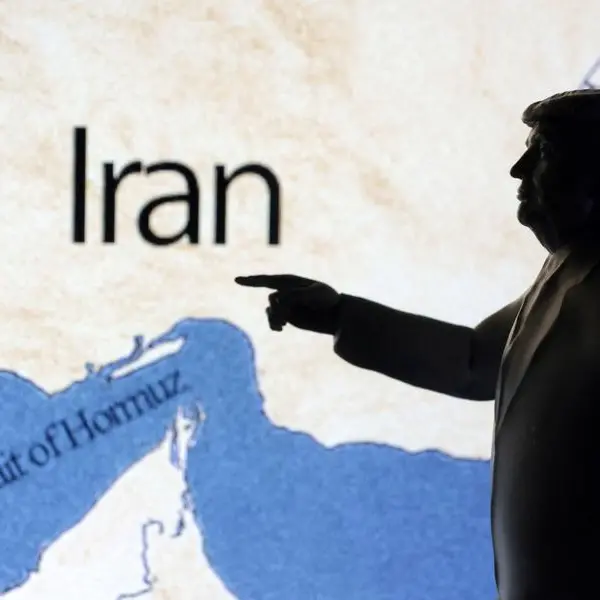
The Iran war-driven energy price spike looks set to disappear as quickly as it arrived.
With a 60-day negotiating period for U.S.-Iran peace talks now underway and oil shipments through the Strait of Hormuz picking up again, energy traders feel emboldened to drive prices lower.
European natural gas prices are 45% below the wartime peak and oil is down 40%, with benchmark Brent crude futures on Tuesday closing at their lowest since hostilities erupted in late February. Brent is below $80 per barrel and falling, while U.S. crude looks poised to test $70 soon.
It's a far cry from only a month ago, when oil was well over $100 and talk of $150 was rife. The upward pressure on inflation from expensive energy is fading so fast that oil is close to flipping back to being the disinflationary force it was in the year before the Iran war. In fact, the year-on-year change in U.S. crude futures briefly turned negative on Monday.
'MATERIAL CHANGE'
This rapid shift is helping to temper inflation expectations globally, offsetting the impact of a stronger dollar.
In Europe, the adjustment is particularly notable.
Economists at Nomura and RBC Capital Markets on Tuesday revised their European Central Bank calls, both removing a quarter-point rate hike from their forecasts. Nomura now expects two hikes in the coming months, with RBC calling for just one.
"There has been a material change in the inflation environment," RBC economists wrote, adding that euro zone inflation dynamics could mean-revert "relatively quickly."
That already appears to be happening. Market-based inflation expectations as measured by one-year euro zone inflation swaps have fallen to 2.45% from almost 3.90% a month ago, and the five-year rate has fallen 50 basis points, close to the ECB's 2% target.
Similarly, in Britain, the two-year inflation swap rate - a key factor in fixed-rate mortgage pricing - is back to pre-war levels. UK rate futures markets are now pricing in only one Bank of England rate hike this year, compared with three a couple of months ago.
RELEASING THE PRESSURE
With crude prices falling, the pressure on countries to tighten policy further or intervene in the FX market is ebbing, even though the dollar remains strong.
Indeed, it may help explain why Japan, which imports 90% of its energy, isn't intervening to support the yen, which is hovering just above a 40-year low near 162 per dollar.
That's weaker than levels that have triggered multiple rounds of record yen-buying intervention in the last few years, most recently in April, when the dollar was rising above 160 yen.
Crucially, though, Brent crude was at its wartime high above $125 a barrel then. Japanese finance minister Satsuki Katayama's latest intervention threats would carry more weight if oil wasn't below $75.
Several central banks have acted to cool inflationary pressures. The ECB, Reserve Bank of Australia and Norges Bank have raised rates. Some in emerging economies have taken more drastic action: Bank Indonesia has delivered an emergency rate hike, the Central Bank of Sri Lanka hiked by a whopping 100 basis points in May, and Reserve Bank of India has intervened regularly to support the rupee.
But the pressure valve has been released, and policymakers around the world have some much-needed breathing room.
(The opinions expressed here are those of the author, a columnist for Reuters)
Enjoying this column? Check out Reuters Open Interest (ROI), your essential new source for global financial commentary. Follow ROI on LinkedIn, and X.
And listen to the Morning Bid daily podcast on Apple, Spotify, or the Reuters app. Subscribe to hear Reuters journalists discuss the biggest news in markets and finance seven days a week.
(By Jamie McGeever Editing by Marguerita Choy)