PHOTO
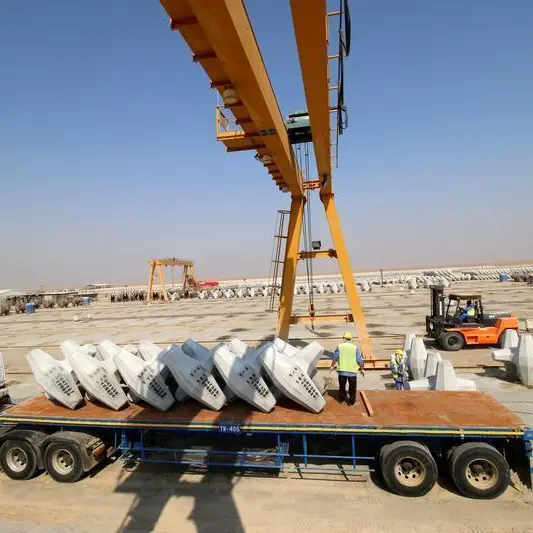
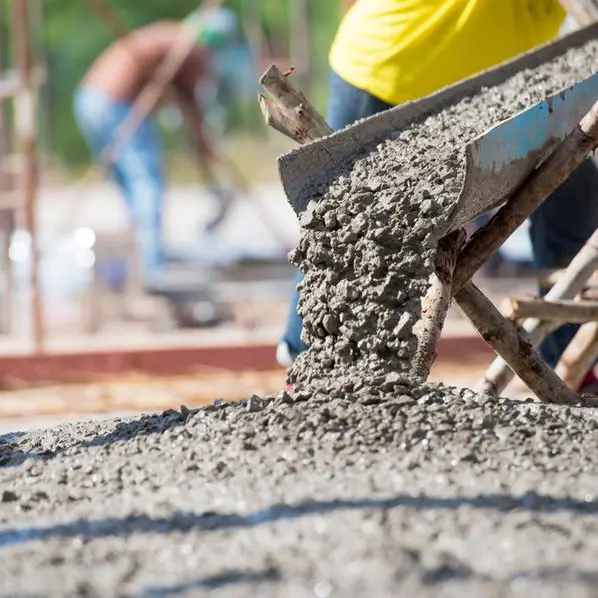
The availability of some construction materials may hit bottlenecks if the Strait of Hormuz remains closed for a prolonged period, S&P Global Ratings said in a report.
Input costs could increase due to reroutes and higher shipping and fuel prices, Sapna Jagtiani, Director & Lead Analyst, Middle East at S&P Global Ratings, wrote in the report.
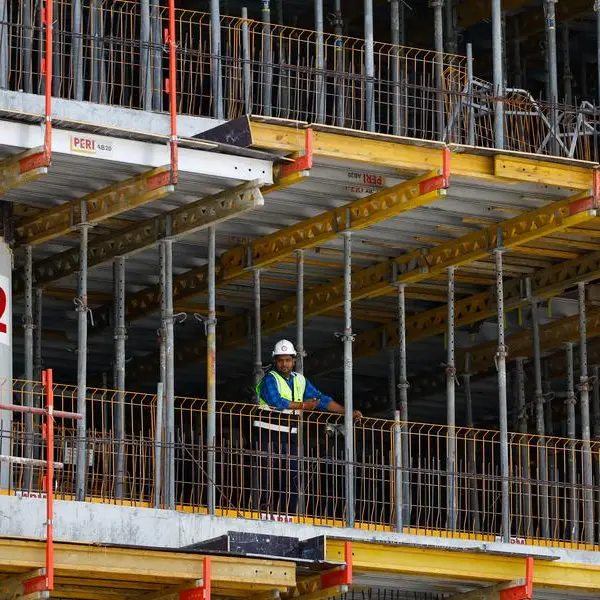
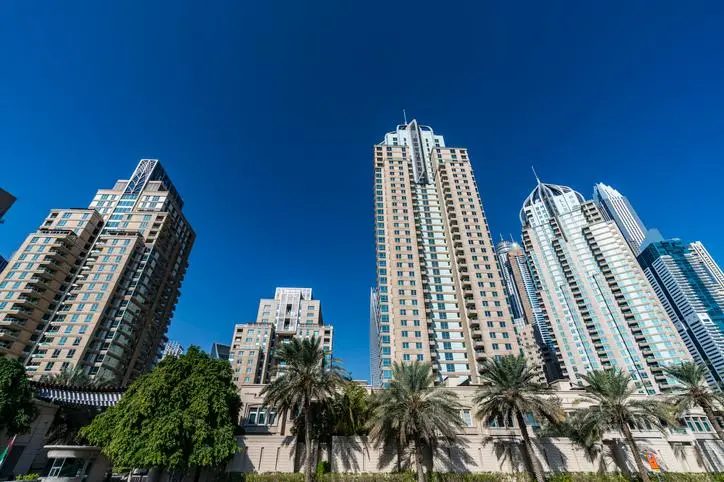
The rating agency believes construction activity continues normally, as the city has a track record of minimising construction delays amid other stressors, specifically the COVID lockdowns.
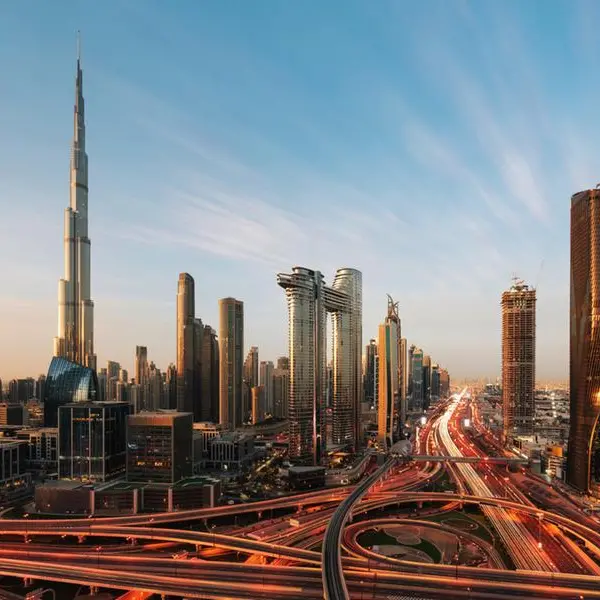
Dubai is expected to see some project cancellations, especially for developers that recently launched a development or did not manage to presell a substantial portion, the report said.
Preselling new developments could become challenging as prices drop on the secondary market, Jagtiani added.
"We also expect investors to reconsider their investment decisions if a property loses significant value, or if they are unable, or are experiencing delays, to pay their installments due to financial hardship caused by the conflict."
However, the rules confer some protection on developers in Dubai. Regulations allow them to retain up to 40 percent of the property value (if construction is on schedule), refund the remainder, and repossess the unit for resale, she said.
S&P has also ruled out a possible 2008-style property crash in Dubai if the intense phase of conflict lasts up to four weeks.
However, a "meaningful correction" is not outside the realm of possibility if the conflict is prolonged beyond four weeks.
The conflict has introduced caution, the rating agency said in its report, pointing to official sources reporting "lower transaction volumes since the start of the war,"
"We expect a slowdown in Dubai real estate volumes and a decline in residential prices. In comparison, before the conflict, our base case was a slowdown in demand and price appreciation, after years of rapid price increases. The longer the conflict persists, the more pronounced any such decline would be," Jagtiani said.
Presales is expected to dip, while secondary-market transactions will become more prevalent as prices decline and investors try to offload their properties, according to the report.
(Writing by P Deol; Editing by Anoop Menon)
(anoop.menon@lseg.com)
Subscribe to our Projects' PULSE newsletter that brings you trustworthy news, updates and insights on project activities, developments, and partnerships across sectors in the Middle East and Africa.