PHOTO
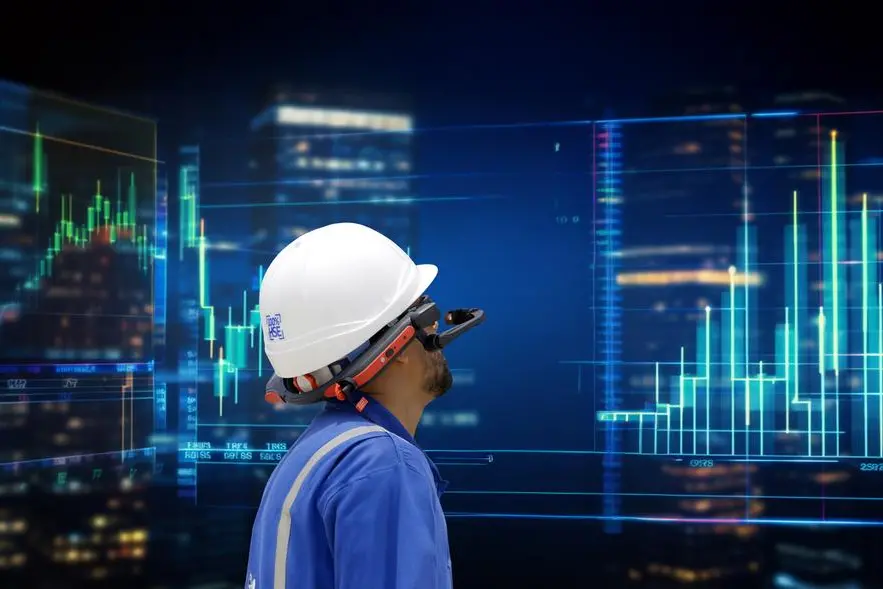
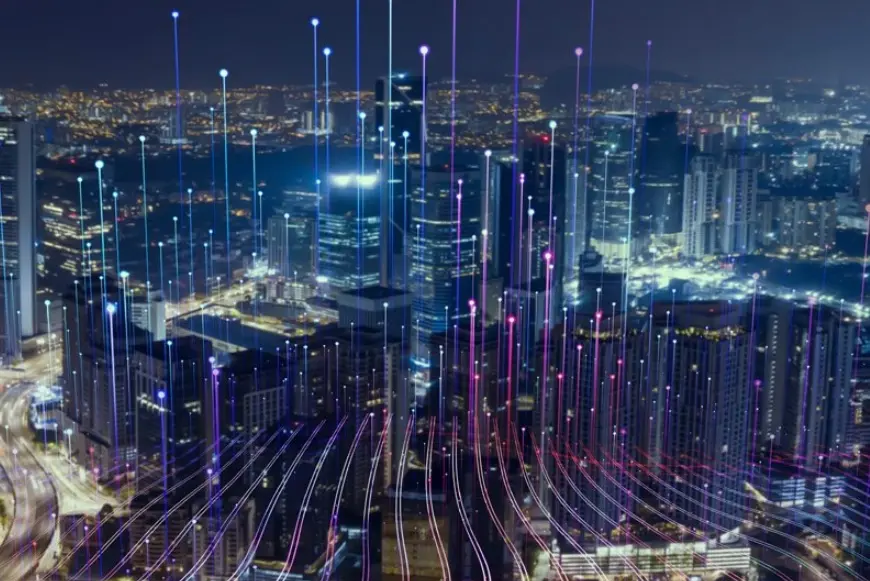
- Technologies such as artificial intelligence, digital twins, the Internet of Things (IoT), 5G networks, and blockchain are transforming the way cities manage infrastructure, resources, and public services.
- Sustainable urban development requires integrated digital infrastructure, interoperable data systems, resilient governance frameworks, and citizen-centered innovation.
- Leading cities such as Singapore, Barcelona, Rotterdam, Seoul, Copenhagen, and Berlin are leveraging technology to improve energy efficiency, mobility, water management, and climate resilience.
- The future of urban development will depend on cities’ ability to combine technological innovation with sustainability, inclusiveness, and long-term resilience.
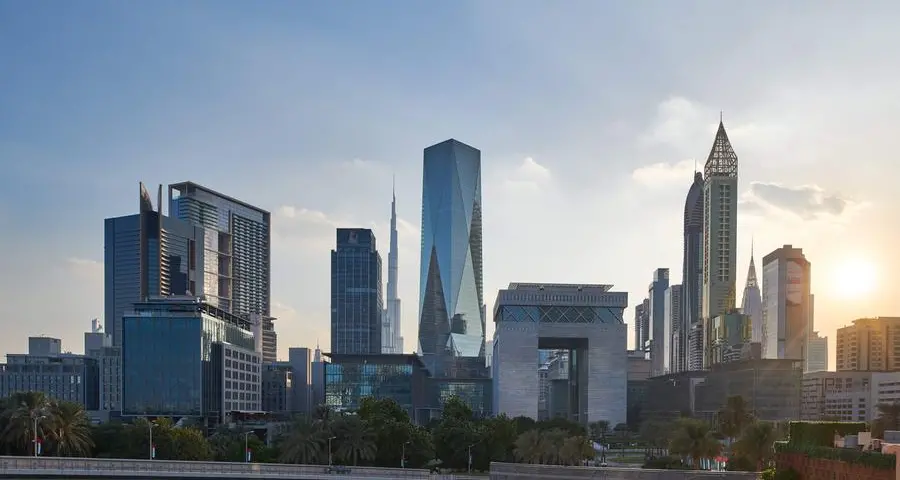
Dubai: The World Governments Summit Organization affirmed that smart cities are becoming a fundamental pillar of sustainable economic growth, environmental stewardship, and improved quality of life. Cities that successfully integrate technology into urban planning are better positioned to address climate challenges, enhance public services, strengthen resilience, and support future generations.
Furthermore, the report highlighted that sustainable urban development is no longer a future aspiration but an urgent necessity. As urban populations continue to grow and climate risks intensify, cities must build integrated ecosystems that combine advanced technologies, sustainable infrastructure, effective governance, and active citizen participation to ensure long-term prosperity and resilience.
These insights were presented in a new strategic report titled: “Smart Cities: Integrating Technology for Sustainable Urban Development,” published by the World Governments Summit Organization in collaboration with Deloitte. The report examines how emerging technologies are reshaping urban environments and enabling cities to become more sustainable, connected, resilient, and livable.
The report emphasized that technology should not be viewed merely as a tool for modernization, but as a strategic enabler of urban transformation. Technologies such as AI, digital twins, IoT, advanced connectivity, and predictive analytics are helping cities optimize energy consumption, improve transportation systems, strengthen climate resilience, and enhance citizen experiences.
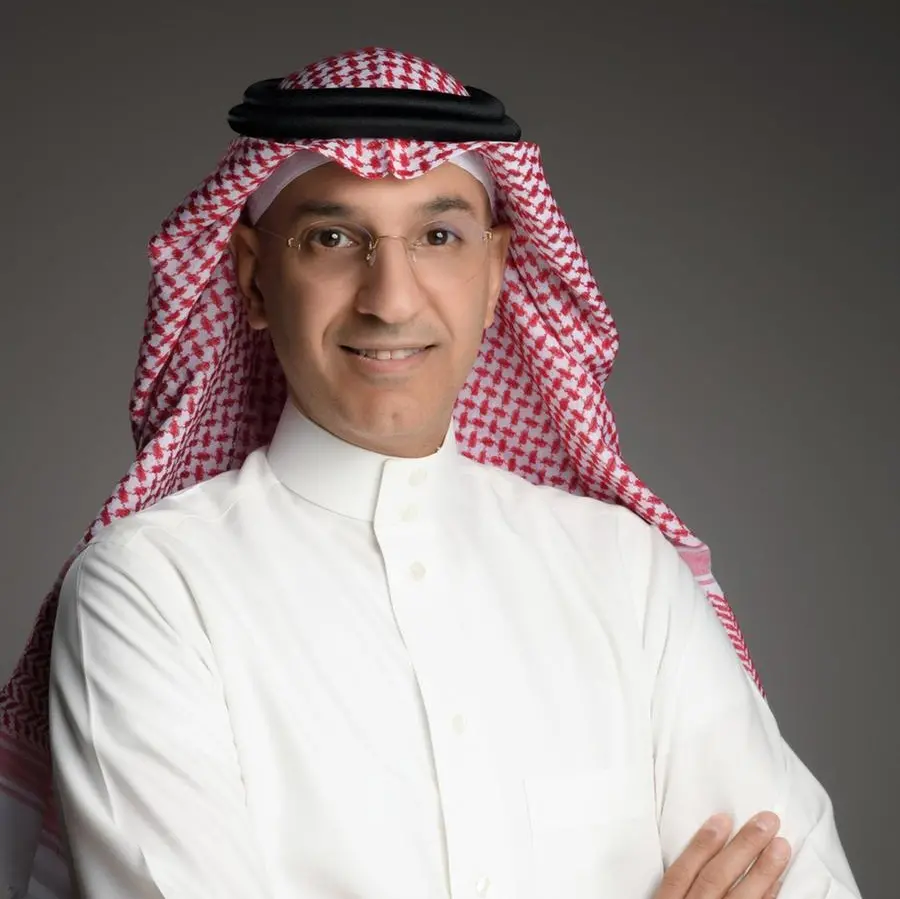
Reem Baggash: Technology Provides Governments with Unprecedented Opportunities to Enhance Urban Resilience
Reem Baggash, Deputy Director of the World Governments Summit, emphasized that sustainable urban development has become one of the key priorities for governments worldwide. This comes as the future of cities is being reshaped by rapid urbanization, population growth, climate change, and increasing pressure on infrastructure and public services.
She stated that technology offers governments unprecedented opportunities to enhance urban resilience, improve service delivery, increase the efficiency of resource management, and strengthen future readiness. She stressed that cities that successfully integrate technology with sustainability goals will be better positioned to attract investments, improve quality of life, create economic opportunities, and maintain their competitiveness in an increasingly interconnected world.
Baggash added that governments are placing growing emphasis on smart and sustainable urban development because of the central role cities play in supporting economic growth, social well-being, environmental sustainability, and national competitiveness. She noted that the report explored the future of this important sector and highlighted the need for governments to ensure that cities are prepared to meet rising demand for housing, transportation, energy, healthcare, and other essential services, while minimizing environmental impacts and enhancing resilience.
Enabling Sustainable and Resilient Urban Futures
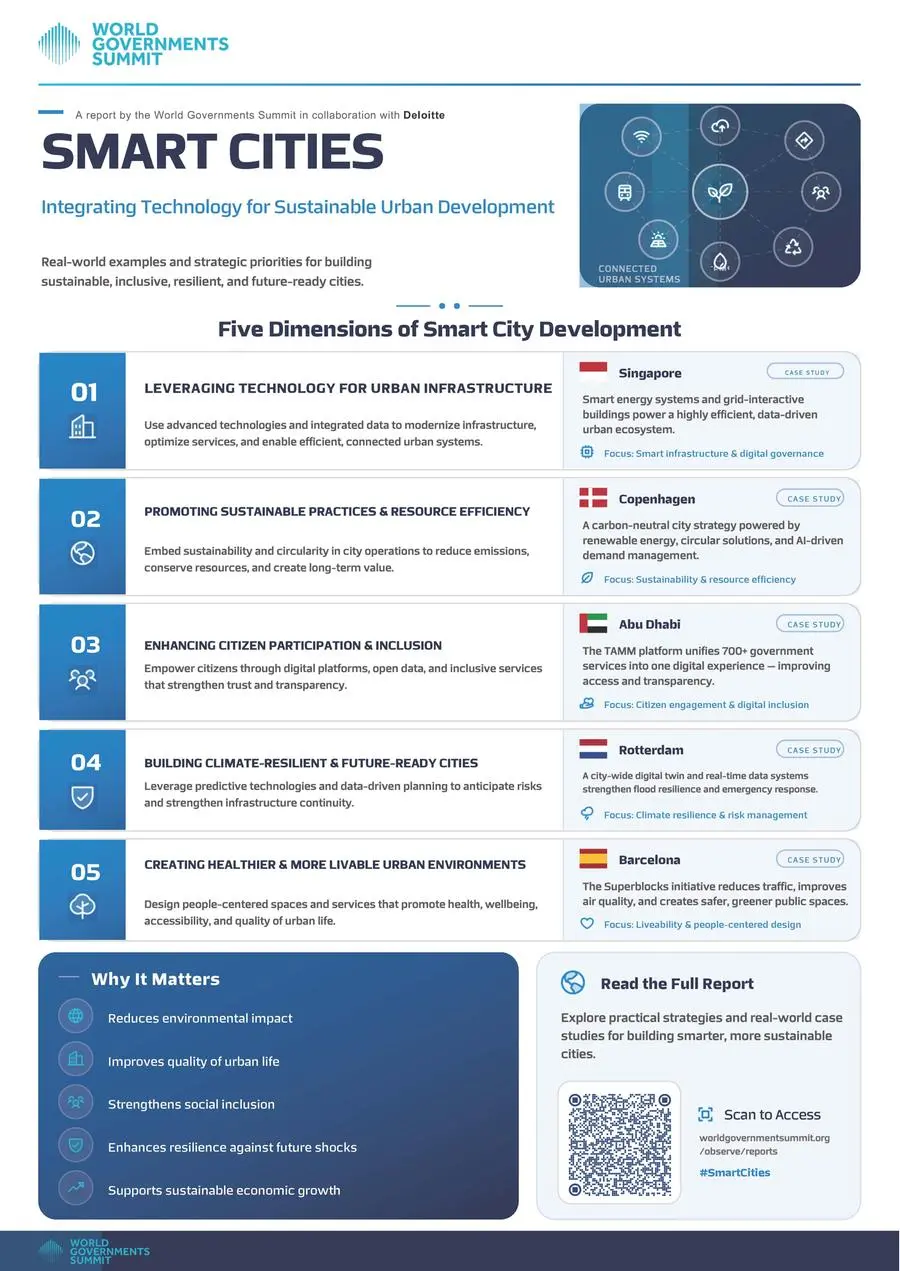
The report focuses on five key dimensions of smart city development: leveraging technology to modernize urban infrastructure; promoting sustainable practices and resource efficiency; enhancing citizen participation and inclusion; building climate-resilient and future-ready cities; and creating healthier, more livable urban environments.
The report highlights how smart energy systems, intelligent transportation networks, digital water management platforms, and city-scale digital twins are helping governments improve service delivery while reducing environmental impact. It also showcases international case studies demonstrating how technology can support circular economy initiatives, carbon reduction strategies, and climate adaptation efforts.
In addition, the report examines the policy, governance, financing, and interoperability challenges that cities must address to successfully scale smart city initiatives. It emphasizes the importance of digital public infrastructure, shared standards, cybersecurity, and collaborative governance models in supporting long-term urban resilience.
The report also outlines how emerging technologies—including artificial intelligence, next-generation connectivity, advanced robotics, immersive technologies, and predictive analytics—are expected to shape the future of urban development and redefine how cities serve their residents.
The report can be accessed at the following link:
https://www.worldgovernmentssummit.org/observer/reports/detail/integrating-technology-into-cities-for-sustainable-urban-development
About the World Governments Summit
The World Governments Summit serves as a global platform dedicated to shaping the future of governments. It contributes to defining the next generation of governance by analyzing future trends, challenges, and opportunities while showcasing innovative solutions and best practices to inspire governments in addressing future challenges creatively and effectively.
About Deloitte
Deloitte is one of the world's leading professional services organizations, providing audit, consulting, financial advisory, risk advisory, tax, and related services. Deloitte works with governments and organizations around the world to drive innovation, support digital transformation, and create sustainable impact through technology-enabled solutions.