PHOTO
- The country ranked first for travel ease and connectivity as well as the availability of halal dining and prayer places
- International Muslim arrivals are projected to increase to 208 million this year and reach 262 million by 2030
- The report reveals 80% of travelers surveyed worldwide now use AI tools
Dubai, UAE: Mastercard and CrescentRating released the 11th edition of the Global Muslim Travel Index (GMTI), revealing how AI, digital trust, regional mobility and destination readiness are reshaping the next phase of Muslim-friendly travel. The report projects international Muslim arrivals to increase to 208 million this year, compared to 196 million in 2025, and reach 262 million by 2030, commanding an estimated annual expenditure of $310 billion.
GMTI 2026 evaluates 150 destinations, representing more than 98% of global Muslim visitor arrivals, across the Access, Communications, Environment and Services (ACES) framework. The latest edition introduces a stronger focus on AI readiness, digital visibility, smart destination infrastructure, traveler confidence and resilience planning amid a more volatile global environment.
UAE remains central to Muslim travel growth
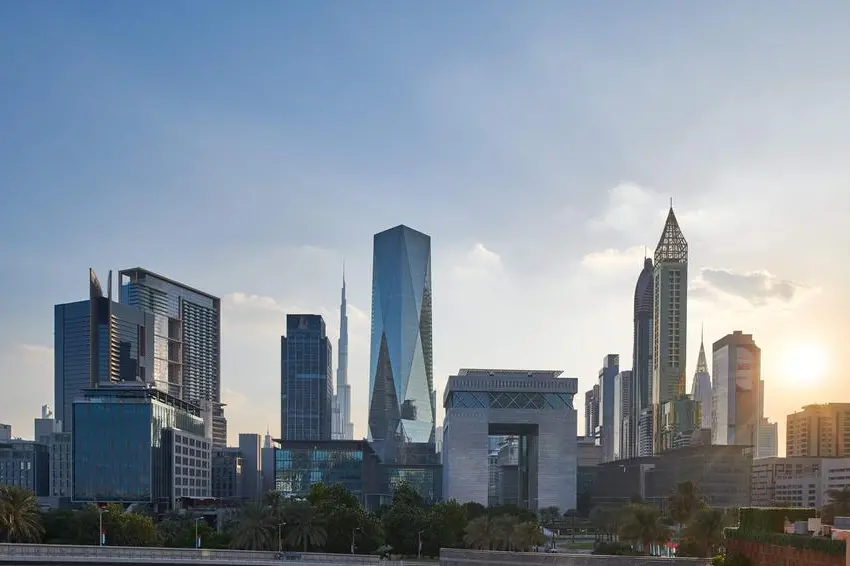
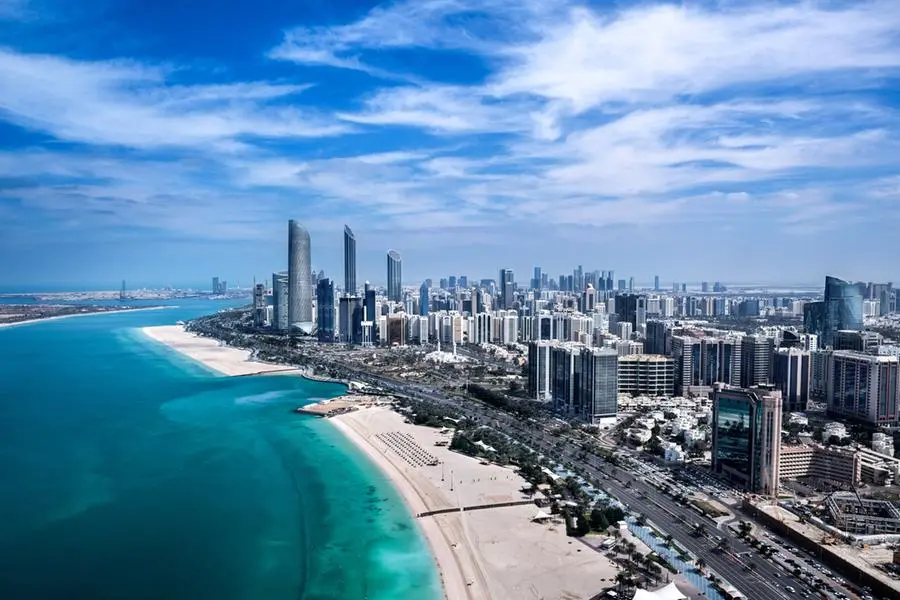
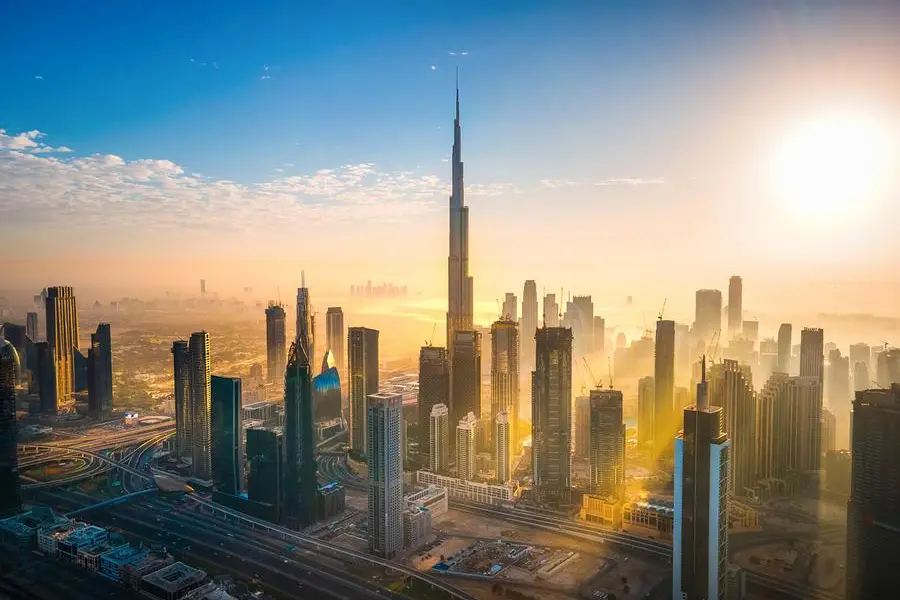
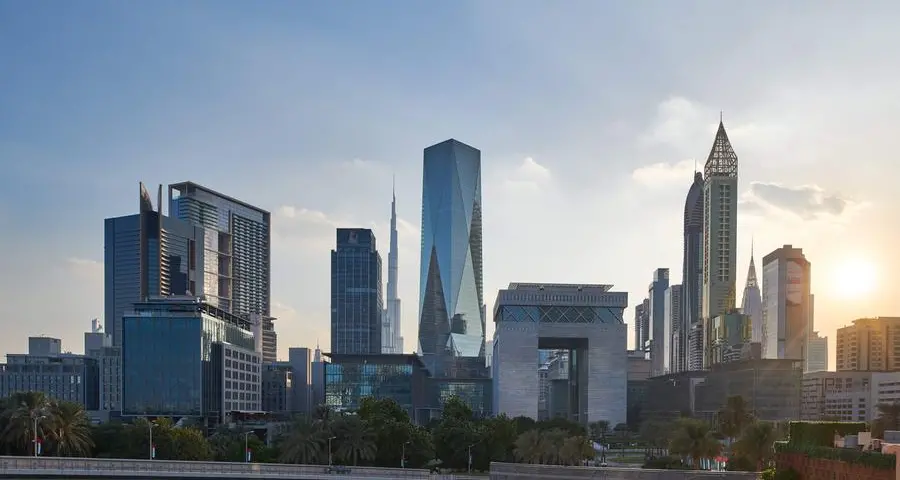
The UAE ranked sixth among the top travel destinations for Muslims with a score of 75, reinforcing its strength across halal tourism, Muslim-friendly services and destination marketing. The report placed the country in the Trailblazers quadrant that consists of 27 destinations leading the way in accommodating Muslim travelers.
The UAE has retained its top position as one of the most accessible destinations. This is especially due to its superior air and land connectivity. Additionally, its world-class airports, efficient public transit and seamless visa policies continue to support a smooth travel experience. The country also recorded a perfect score of 100 in the availability of halal dining and prayer places.
Muslim travel enters the era of digital trust
GMTI 2026 indicates that 80% of travelers surveyed worldwide now use AI tools for travel purposes, signaling a major shift in how they discover, evaluate and plan their journeys. Travel planning is entering a new era where digital tools are moving beyond convenience to become part of the trust infrastructure for travelers. AI-powered platforms can now help travelers find halal dining options, locate prayer spaces, compare transport routes, receive personalized recommendations and navigate destinations with greater confidence.
This shift is especially important for Muslim travelers, who may need to validate multiple faith-based requirements before and during a trip. GMTI 2026 notes that destinations which fail to digitize their Muslim-friendly offerings risk being excluded from AI-driven recommendation systems, regardless of the quality of their physical infrastructure.
In this new environment, the competitive landscape is moving from service availability to algorithmic visibility. Destinations that make trusted information machine-readable, up to date and contextually available will be better-placed to convert travel intent into visits.
The report points to the rise of digitally enabled destinations, with technologies such as e-visas, biometric border systems, AI chatbots, digital travel assistants, real-time translation and smart destination management helping improve ease of travel and reduce uncertainty across the journey.
Communication is key
Despite the widespread adoption of real-time AI translation and digital tools, direct access to human support and native-language resources remains essential, particularly for Arabic and English – the two primary languages used across this demographic.
The UAE is among the pioneers in this space, delivering exceptional multilingual experiences through trained frontline staff, dedicated tourism portals, intuitive transit signage and comprehensive travel guides. Ultimately, these communication efforts ensure that visitors can seamlessly navigate services and seek help while feeling genuinely respected and culturally included.
Global volatility drives demand for safer, closer journeys
Amid global volatility, Muslim travel demand remains resilient, but traveler behavior is changing. Rising fuel costs, geopolitical tensions, airspace disruptions and security concerns are prompting more travelers to favor closer, safer and more predictable destinations.
GMTI 2026 identifies this as a shift toward ‘home-continent’ mobility, where travelers adjust itineraries rather than cancel plans entirely. Instead of relying on long-haul routes through complex transit hubs, many are choosing regional corridors that offer greater stability, lower friction and stronger confidence.
From destination readiness to destination activation
Over the years, GMTI has tracked the rise of the global Muslim travel market from a resilient niche segment into a mainstream economic powerhouse. This year’s edition introduces Destination Activation Stack, a strategic model that integrates three frameworks: ACES, which measures foundational destination preparedness; RIDA, which assesses responsible, immersive, digital and assured travel experiences; and TRUST, which evaluates the signals that convert traveler interest into bookings.
Together, these frameworks reflect how Muslim-friendly tourism is evolving. Destinations are no longer assessed only by whether they provide baseline services, such as halal food and prayer spaces. They must also show that these services are accessible, visible, reliable, digitally discoverable and aligned with traveler expectations around safety, sustainability, inclusivity and experience quality.
About Mastercard
Mastercard powers economies and empowers people in 200+ countries and territories worldwide. Together with our customers, we’re building a resilient economy where everyone can prosper. We support a wide range of digital payments choices, making transactions secure, simple, smart and accessible. Our technology and innovation, partnerships and networks combine to deliver a unique set of products and services that help people, businesses and governments realize their greatest potential.
www.mastercard.com
About CrescentRating
CrescentRating (Crescentrating Pte. Ltd.) is the leading authority on Halal travel and tourism. The company uses insights, industry intelligence, lifestyle, behavior and research on the needs of the Muslim traveler to deliver authoritative guidance on all aspects of Halal travel to organizations across the globe. Founded in 2008, CrescentRating services are used by every tier of the tourism industry, from government bodies and tourism agencies to hospitality service providers, to better serve the needs of the Muslim traveler. CrescentRating’s products and services include rating & accreditation, research & consultancy, training and certification (CR Academy), industry reports, Halal-In-Travel conferences, HalalChefWorld program, destination marketing and content provisioning.