PHOTO
- Revenue grew 6.3% YoY, led by non-oil sectors in the UAE and Saudi Arabia
- US$54.7 billion remains trapped on company balance sheets, presenting a major opportunity for cash release
- Short-term debt surged 23.8% YoY, driving interest expenses to a five-year high
Riyadh, Kingdom of Saudi Arabia – Companies across the Middle East released significant liquidity in 2024, with net working capital (NWC) days improving by six days – a 5.6% gain – according to PwC’s 2025 Middle East’s Working Capital Study. The report highlights that while corporates are benefitting from sustained revenue growth, rising costs and increased short-term debt are placing renewed pressure on profitability and financial resilience.
Middle East corporates achieved a 6.3% year-on-year (YoY) increase in revenue in 2024, driven primarily by non-oil sectors. The UAE’s non-oil revenue grew by 16.8% and Saudi Arabia’s by 8.0%, underscoring the region’s diversification drive. Since 2020, companies in the region have recorded an impressive 11.5% compounded annual growth rate, further supported by record initial public offering (IPO) volumes and resilient mergers and acquisitions (M&A) activity.
Yet, the findings reveal a growing reliance on financing. Short-term debt rose by 23.8% in 2024, pushing interest expenses to a five-year high at 3.1% of revenue. Despite overall Earnings Before Interest, Taxes, Depreciation and Amortisation (EBITDA) margins improving by 30 basis points, profitability remains under pressure from rising Selling, General and Administrative (SG&A) expenses and higher financing burdens.
PwC estimates that US$54.7 billion remains trapped on the balance sheets of publicly listed companies, representing a major opportunity to unlock cash and strengthen balance sheets. However, just 9.4% of companies in the study sustained improvements in NWC days for three consecutive years, pointing to challenges in embedding long-term efficiency.
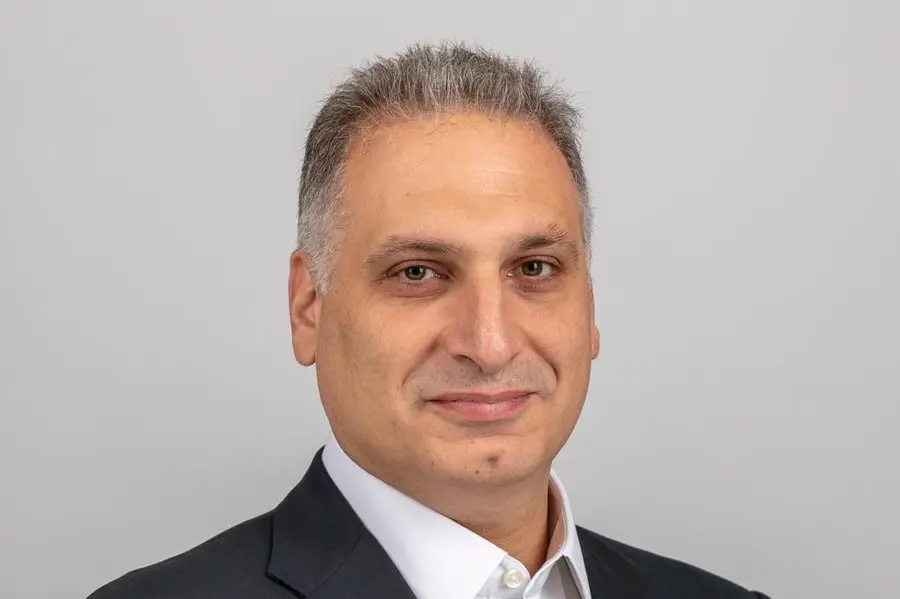
Mo Farzadi, Partner, Performance and Restructuring Services Leader, PwC Middle East, said: “In a year marked by heightened geopolitical uncertainty and supply chain disruption, effective working capital management remains a strategic priority in the Middle East. Companies that take a disciplined approach to cash conversion can unlock liquidity, build resilience, and respond more confidently to market pressures. Sustainable improvements in working capital continue to be a powerful enabler of growth and long-term value.”
Priorities for 2025
PwC’s study recommends five key actions for Middle East corporates to build resilience and unlock value in the next 12 months:
- Get the basics right – Fix foundational gaps in invoicing, stock visibility and payment processes.
- Measure and cascade KPIs – Link strategic targets to day-to-day operational metrics.
- Tailor systems and AI to real needs – Align technology with actual working capital drivers.
- Use working capital to reduce debt – Free up internal cash to lower reliance on external financing.
- Embed a cash culture – Build ownership and financial discipline at every level of the business.
PwC states that as capital costs remain elevated, working capital efficiency must be treated as a long-term capability rather than a short-term initiative. Companies that invest in sustained improvement will be best positioned to strengthen balance sheets, improve resilience, and unlock future growth opportunities.
The full report is available here.
About PwC
At PwC, we help clients build trust and reinvent so they can turn complexity into competitive advantage. We’re a tech-forward, people-empowered network with more than 370,000 people in 149 countries. Across audit and assurance, tax and legal, deals and consulting we help build, accelerate and sustain momentum. Find out more at www.pwc.com.
With over 12,000 people across 12 countries in 30 offices, PwC Middle East combines deep regional insight with global expertise to help clients solve complex problems, drive transformation, and achieve sustained outcomes. Learn more at www.pwc.com/me.
PwC refers to the PwC network and/or one or more of its member firms, each of which is a separate legal entity. Please see www.pwc.com/structure for further details.
© 2025 PwC. All rights reserved
Contact: Dana Safawi | dana.safawi@pwc.com
More details: @PwC_Middle_East on LinkedIn and Twitter