PHOTO
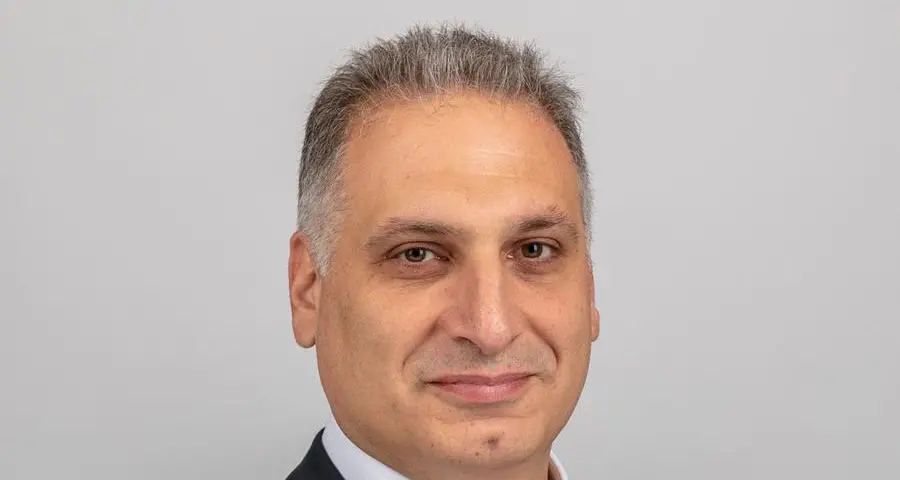
- “With farsighted leadership, agile policymaking, and capital and energy availability, the UAE is already playing a leading role in global energy resilience,” Crescent Petroleum CEO and Board Managing Director of Dana Gas Majid Jafar tells Davos
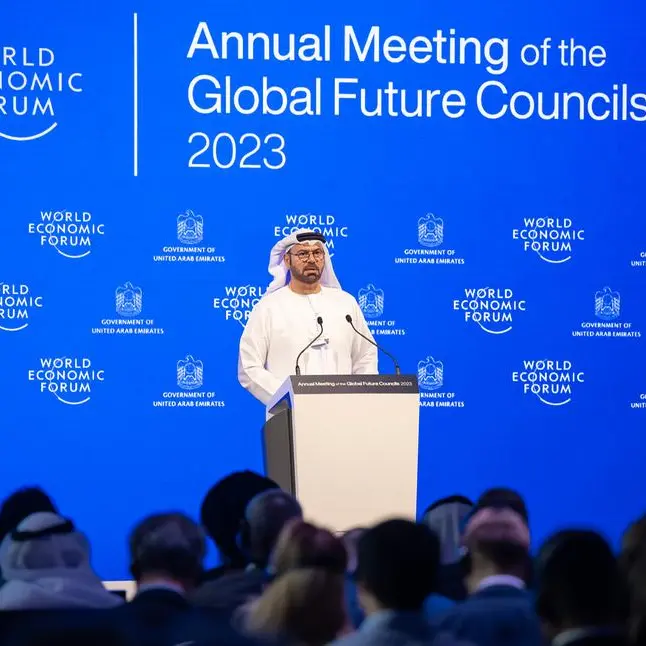
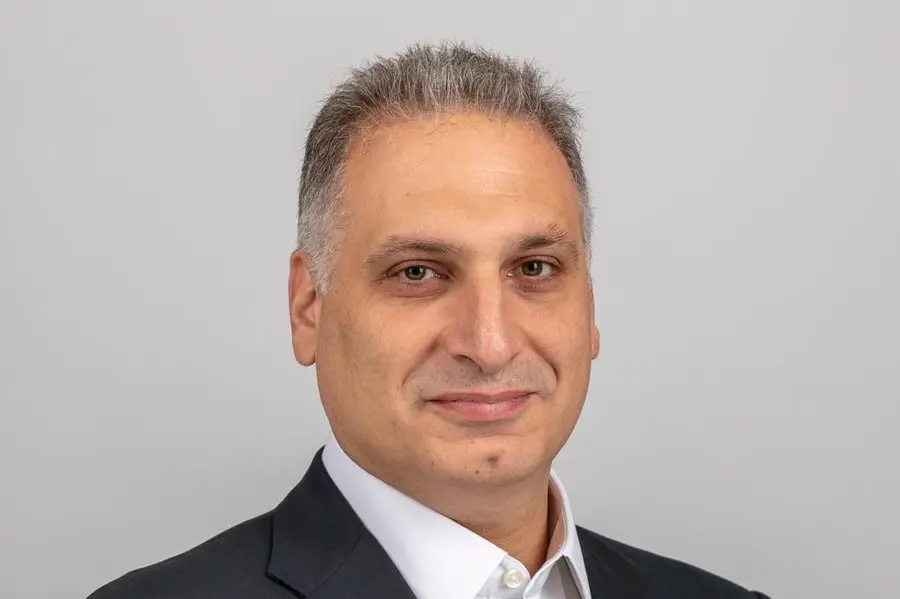
Davos, Switzerland: Rapidly growing global energy demand has elevated energy security to the forefront of global economic competitiveness and geopolitical influence, Majid Jafar, Chief Executive Officer of Crescent Petroleum and Board Managing Director of Dana Gas, told an audience of global business leaders and policymakers at the World Economic Forum Annual Meeting in Davos.
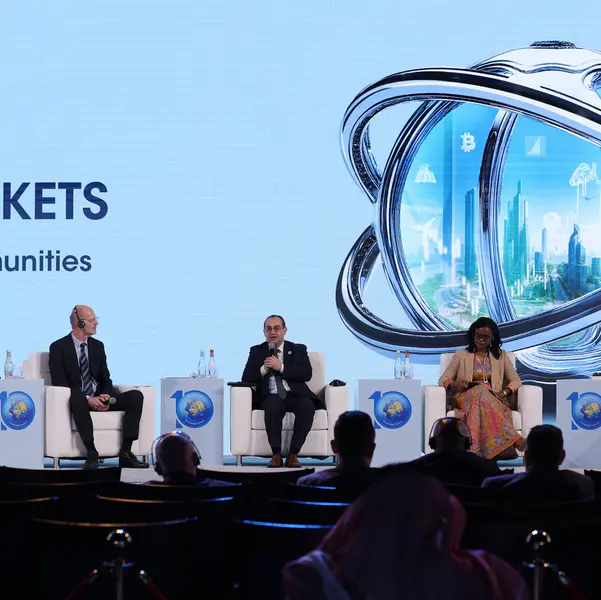
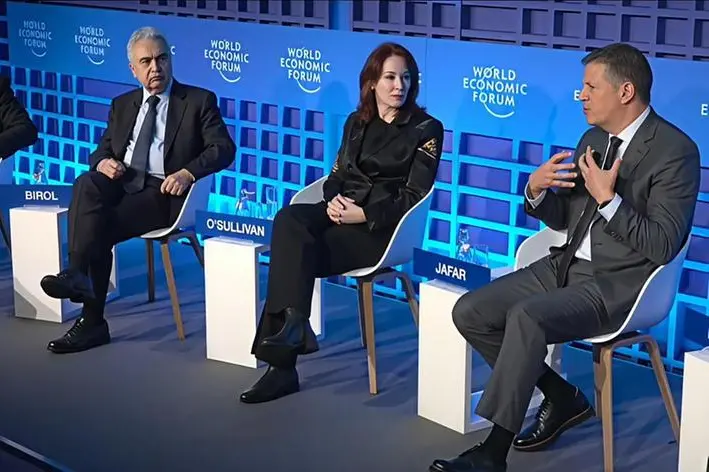
Speaking on a panel titled “Who Is Winning on Energy Security?”, Jafar said the scale and pace of demand growth are reshaping energy systems, highlighting the need for $4 trillion in annual capital investment across grids, data centres, and all sources of energy.
Against this backdrop, Jafar pointed to the expanding role of the Middle East, and particularly the United Arab Emirates, in strengthening global energy systems, citing its ability to scale energy investments amid accelerating global demand from artificial intelligence, data centres and electrification. He also noted that regional natural gas production is projected to rise by approximately 30% by the end of the decade, requiring an estimated $200 billion investment.
“Energy security today depends on global systems that can absorb shocks, scale with demand, and remain affordable over time,” Jafar said. “The next phase of economic and technological leadership will be shaped by countries that can combine reliable energy supply with fast, large-scale grid modernisation. With farsighted leadership, agile policymaking, and capital and energy availability, the UAE is already playing a leading role in global energy resilience and is well positioned to support the next wave of AI-driven energy demand.”
The panel brought together industry and policy leaders to examine how different regions are responding to mounting pressures on energy systems and infrastructure. Jafar was joined on the panel by Mike Henry, Chief Executive Officer of BHP; Fatih Birol, Executive Director of the International Energy Agency (IEA); Andrés Gluski, Chief Executive Officer of AES; and Meghan O’Sullivan, Director of the Belfer Center for Science and International Affairs at Harvard University. The discussion was moderated by Sir Robin Niblett, Distinguished Fellow at Chatham House.
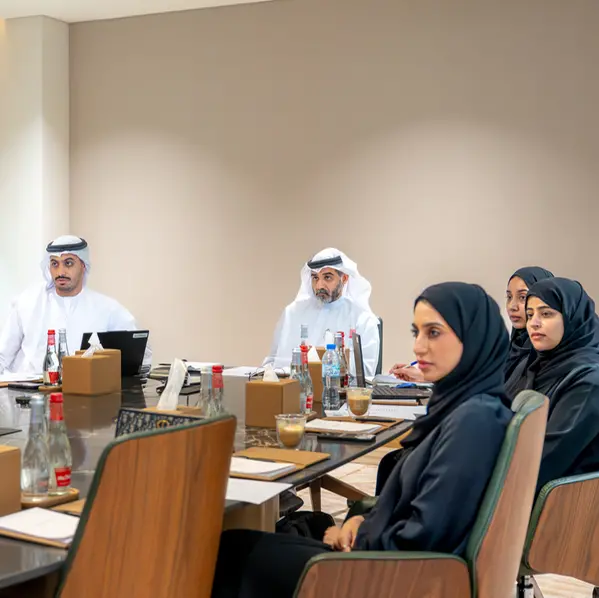
Earlier in the day, Jafar and Musabbeh Al Kaabi, ADNOC Upstream Chief Executive Officer, co-hosted the Davos Energy Breakfast, a private roundtable titled “The New Energy Agenda: Access, Resilience and AI”. The breakfast convened senior leaders to discuss how energy systems must evolve to meet rising global demand while supporting economic development and technological advancement.
AI-driven electricity demand has emerged as a critical test of energy security, linking global competitiveness, infrastructure resilience, and long-term investment decisions, participants agreed. According to the IEA, electricity generation required to supply data centres is expected to increase sharply over the coming decade, underscoring the scale of infrastructure planning and investment now required to support digital growth.
“Planned expansion in the Middle East strengthens the region’s ability to deliver accessible and resilient energy systems,” said Jafar. “Rapidly accelerating electricity demand from artificial intelligence and data centres is expected to push global data-centre power consumption beyond 1,000 terawatt-hours by 2030. Meeting this demand will require global leaders and the private sector to adopt pragmatic, ‘all-of-the-above’ energy strategies that ensure reliability, support emissions reduction, and enable sustained long-term growth.”
The World Economic Forum Annual Meeting takes place from 19-23 January 2026 in Davos, Switzerland, convening leaders from government, business, civil society and academia to set priorities and address global challenges. Held under the theme “A Spirit of Dialogue,” the meeting’s call for bold collective action is particularly relevant given the current geopolitical and macroeconomic environment.
panel titled “Who Is Winning on Energy Security?”About Crescent Petroleum:
Crescent Petroleum is the first and largest private exploration and production company in the Middle East, with more than 50 years of experience as an international operator in numerous countries including Egypt, Yemen, Canada, Tunisia, and Argentina, in addition to its continuing operations in the United Arab Emirates and Iraq.
Headquartered in the UAE, Crescent Petroleum has international offices in the UK and three locations across Iraq, as well as affiliated offices in Egypt. Crescent Petroleum is also the largest shareholder in Dana Gas, the Middle East’s first and largest regional private-sector natural gas company. www.crescentpetroleum.com