PHOTO
Doha: The newly established International Islamic Bioethics Association (IIBA) at Hamad Bin Khalifa University (HBKU) convened its inaugural meeting, marking a significant milestone in promoting bioethical discourse within an Islamic framework.
The IIBA emerged as a result of HBKU hosting the 17th World Congress of Bioethics in 2024, the first edition to take place in the Arab world, and will serve as a leading platform for advancing Islamic bioethics. It also reflects a logical continuation following HBKU organizing the ‘AI Ethics: The Convergence of Technology and Diverse Moral Traditions’ conference in 2025. These initiatives demonstrate the university’s unwavering commitment to advancing Islamic ethics, a field in which its Research Center for Islamic Legislation and Ethics (CILE) is already a global leader, positioning the university as a hub for ethics across various areas, including healthcare, artificial intelligence (AI), and sustainability.
By serving as the institutional home of the Association, HBKU is promoting a sustained scholarly community, supporting interdisciplinary research, and ensuring that Islamic ethical perspectives are represented in global debates on health, technology, and society.
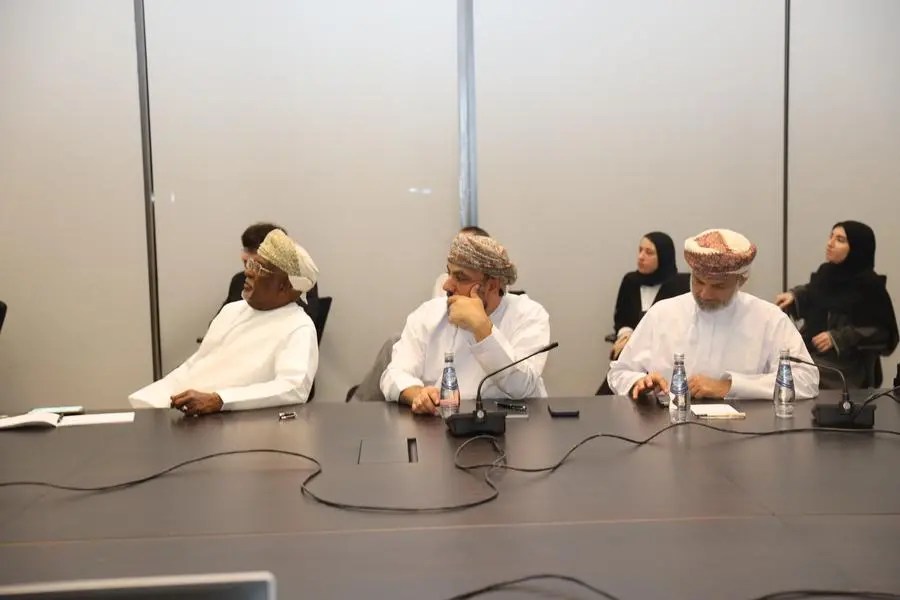
Held at HBKU Headquarters and the Minaretein Building, Education City, the event opened with an address by IIBA President, Dr. Mohammed Ghaly, titled “A Voice, Not an Echo: Islamic Bioethics in Dialogue with the World.” It gathered esteemed scholars, researchers, ethicists, medical practitioners, and students dedicated to exploring ethical issues in healthcare and biomedical research through the lens of Islamic moral thought. Featuring interactive panels and a dedicated Stakeholder Roundtable, “A Dialogue with Qatar’s Biomedical & Healthcare Ecosystem,” the meeting also served as a platform for fostering collaboration and sharing insights that align contemporary bioethical challenges with Islamic principles.
Across two days, the gathering positioned HBKU as a key convener shaping the future of Islamic bioethics, while demonstrating its capacity to translate ethical scholarship into strategic guidance. A public lecture titled “The Future of Our Bodies: Islamic Ethics in an Age of AI and Genetic Revolution” explored AI-driven gene editing and the ethical risks associated with rapid technological advancements in the absence of cohesive policy frameworks. The meeting further called for a more integrated role for Islamic bioethics in global discourse, strengthening its connection with the biomedical and healthcare ecosystem.
Commenting on the significance of the meeting, Dr. Mohammed Ghaly, Professor of Islam and Biomedical Ethics, HBKU, Head of CILE, and Founding President of the IIBA, stated: “We are very proud to hold the first meeting of the IIBA and provide a pathbreaking platform for Islamic bioethics, rooted in the Islamic tradition, responsive to contemporary ethical challenges. By grounding our work in this rich heritage, HBKU is helping shape informed, values-driven answers to issues ranging from artificial intelligence and public health to sustainable development and social cohesion.”
Collectively, the gathering reaffirmed HBKU’s position as a global reference point for Islamic bioethics, advancing dialogue that informs policy, guides innovation, and bridges ethical thought with real-world practice.
[ENDS]
About Hamad Bin Khalifa University
Innovating Today, Shaping Tomorrow
Hamad Bin Khalifa University (HBKU), a member of Qatar Foundation for Education, Science, and Community Development (QF), is a leading, innovation-centric university committed to advancing education and research to address critical challenges facing Qatar and beyond. HBKU develops multidisciplinary academic programs and national research capabilities that drive collaboration with leading global institutions. The university is dedicated to equipping future leaders with an entrepreneurial mindset and advancing innovative solutions that create a positive global impact.
For more information about HBKU, its colleges, research institutes, and initiatives, please visit www.hbku.edu.qa.
To stay up to date on our social media activities, follow our accounts on: LinkedIn, Instagram, X, and Facebook.
For any media inquiries, please contact: media@hbku.edu.qa.
About the International Islamic Bioethics Association (IIBA)
The International Islamic Bioethics Association (IIBA) is a global, multi-stakeholder association initiated by Hamad Bin Khalifa University. It was established to serve as a unified global platform for Islamic bioethics, a field historically fragmented across various disciplines. The IIBA is dedicated to advancing interdisciplinary research, connecting scholars, practitioners, and policymakers worldwide, and ensuring that well-reasoned Islamic perspectives are included in global bioethical debates on health, technology, and society. Ultimately, the IIBA aims to catalyze collaboration and shape the global bioethical agenda by contributing the rich, nuanced insights of the Islamic moral tradition to the most critical ethical challenges of our time.
For more information about the IIBA, visit https://www.hbku.edu.qa/en/iiba.