PHOTO
Umm Qasr, Iraq | Sharjah, UAE – Gulftainer (GT), a globally trusted leader in integrated maritime and logistics solutions, announced the launch of its first dedicated feeder service linking the UAE and Umm Qasr, Iraq. The move comes 17 years after the company established Iraq’s first modern container terminal at Umm Qasr in 2009, and marks Gulftainer’s next step as an end-to-end trade and logistics enabler in the country.
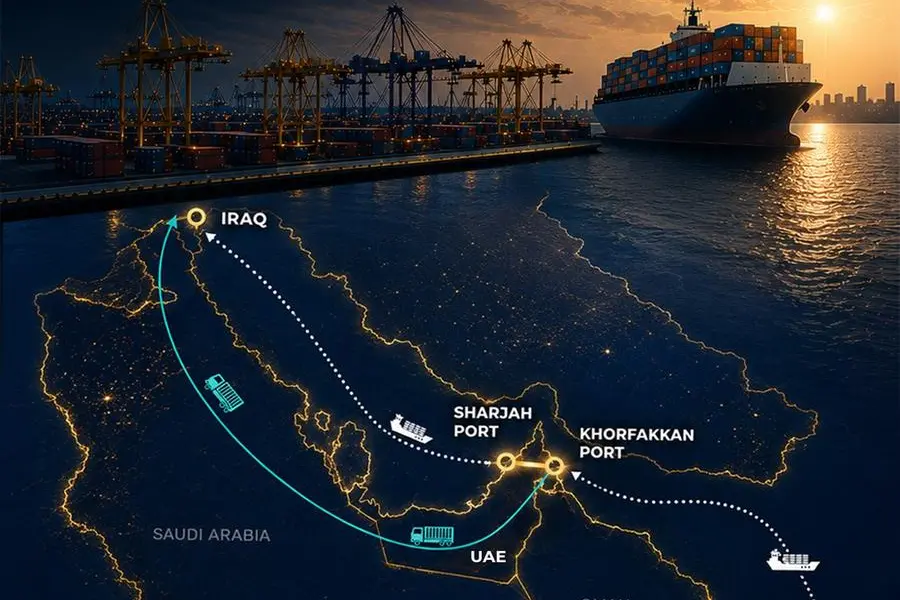
Operated under the company’s shipping arm, GT Lines, the new direct service connects Umm Qasr to the UAE gateways, and to key regional and global logistics hubs. By combining GT Lines’ own vessels with Iraq Commercial Terminal and the Umm Qasr Logistics Centre, Gulftainer is creating an integrated trade corridor that connects Iraq to the UAE, and through Gulftainer’s wider network, to regional and global markets.
A key pillar of this platform is the Umm Qasr Logistics Centre (UQLC), located adjacent to Iraq Commercial Terminal. Together, the terminal, UQLC, and GT Lines form a fully integrated maritime and logistics ecosystem. The model provides warehousing, container storage, cargo consolidation, customs facilitation, and value-added services to streamline cargo flows and strengthen supply chain resilience in Iraq.
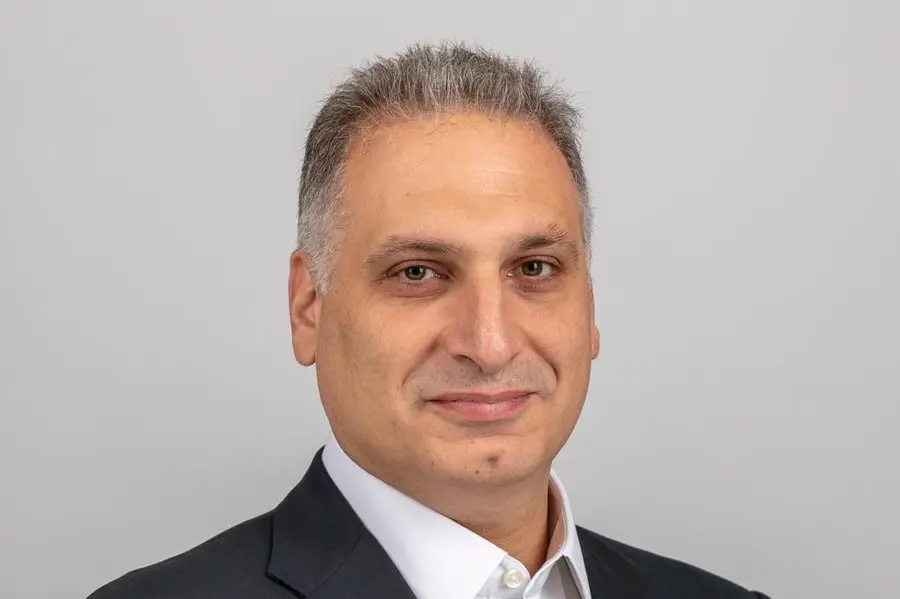
Farid Belbouab, Group CEO of Gulftainer said: “Seventeen years ago, Gulftainer built Iraq’s first modern container terminal. Today, we are taking the next step by connecting the UAE and Umm Qasr with our own GT Lines vessels. This is not just a new route. It is an integrated corridor that gives Iraqi businesses the certainty and reliability they need to trade with confidence.”
The new UAE–Umm Qasr service is a strategic trade corridor, not just another route. It is designed to strengthen Iraq’s global trade gateway by linking the UAE and Umm Qasr through a dedicated GT Lines service. This further reinforces Gulftainer’s long-term commitment to Iraq’s potential as a key gateway connecting the Gulf, the Levant, and Asia. By improving cargo visibility and offering more predictable access to global markets, the service connects Iraqi traders to East Asia, the Indian Subcontinent, Africa, and beyond.
“Iraq’s trade and logistics needs have grown beyond what a terminal alone can deliver. This dedicated service represents the next phase of our long-term partnership with Iraq’s ports authority to support Iraq’s economic growth and communities,” added Farid Belbouab.
With Iraq’s economy diversifying and non-oil trade volumes growing, Gulftainer will continue to invest in establishing integrated networks built around its own ports and logistics assets. Today, the company operates 10 vessels connecting the Gulf, Iraq, India, Pakistan, China, and Southeast Asia. This expansion reinforces Gulftainer’s role as a long-term enabler of trade for Iraq and the wider region.
About Gulftainer:
Founded in the Emirate of Sharjah, in the UAE, in 1976, Gulftainer (GT) has evolved from a pioneering port operator into a global trade infrastructure company, enabling the seamless movement of goods through integrated ports, logistics, industrial ecosystems and maritime services. As global supply chains become increasingly interconnected and complex, businesses require more than standalone infrastructure. They need trusted partners capable of connecting every stage of the supply chain with reliability, efficiency and certainty.
Gulftainer addresses this challenge by developing integrated trade ecosystems that strengthen connectivity, improve resilience and enable sustainable economic growth. Today, Gulftainer operates through four complementary business platforms: GT Ports develops and operates world-class gateway ports and marine terminals; GT Logistics delivers integrated logistics, freight forwarding, contract logistics and multimodal transport solutions; GT Parks develops large-scale logistics parks, bonded zones, industrial parks and integrated trade ecosystems; GT Maritime connects global markets through liner shipping and maritime services, integrating ocean transportation with Gulftainer’s port and inland logistics network.
Together, these four platforms create a unified trade ecosystem that enables cargo to move more efficiently, supply chains to become more resilient, and businesses to access markets with greater confidence.
Rooted in Sharjah and driven by a global ambition, Gulftainer continues to invest in the infrastructure, connectivity and partnerships that shape the future of international trade.
Gulftainer. Where Trade Works.
For media inquiries, please contact:
Tarek Kiwan
Head of Communications – Gulftainer Group
E: tkiwan@gulftainer.com