PHOTO
Environmental, Social, and Governance (ESG) concepts have become of paramount importance in the Gulf Cooperation Council (GCC) region in recent years. Investor interests, legislative changes, and a significant increase in the acceptance of sustainable business practices are the observed driving forces.
There is an emerging shift surfacing in market expectations, investors and regulators are no longer asking only about what impact the company has on society and environment but are eyeing for answers to key questions like; firstly-the impact and sustainability risks on financial performance, secondly-how climate and ESG will be regulated and managed, thirdly and most importantly-what are the financial implications of transition risks, physical climate risk and stranded assets.
Future sustainability risks need to be quantified, linked to financial results, and explainable in terms of business strategy. ESG data must be collected from multiple departments, tracked annually, audited through various ownership pathways, and aligned concurrently across multiple frameworks.
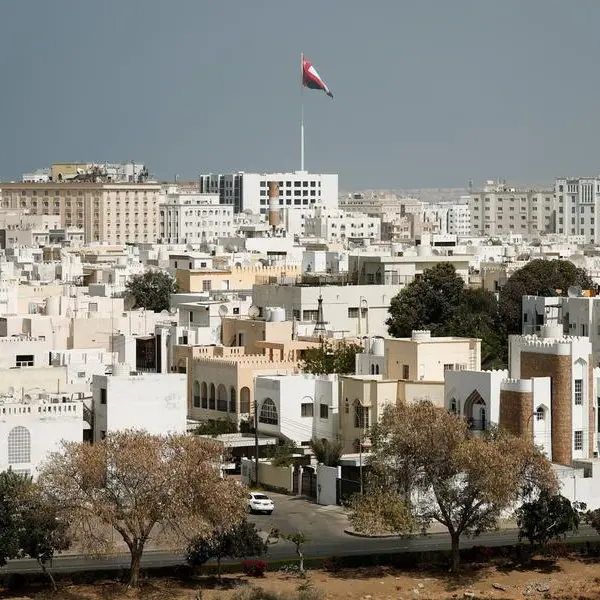
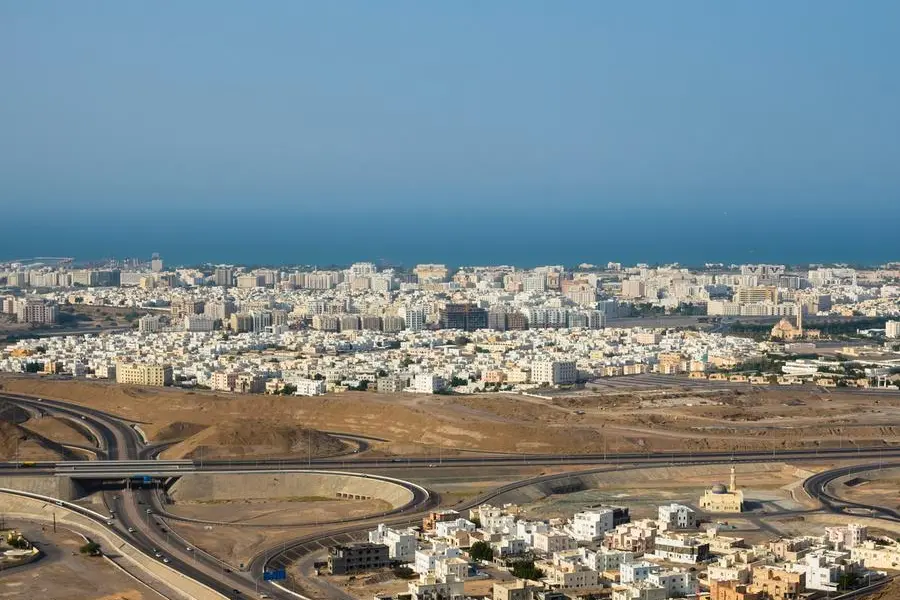
Oman is currently ranked 50th out of 180 countries in the global Environmental Performance Index, having jumped 99 places since 2022. In their Vision 2040, Oman aims to be among the world’s leading nations in environmental performance, and to achieve this ambition, the country has begun taking concrete steps in policy, investment, and enforcement.
In Oman, a recent administrative decision, 77/2025 AD, published in June 2025, has made it mandatory for companies listed on the Muscat Stock Exchange (MSX) to disclose their environmental, social, and governance (ESG) framework and practices. Any listed public joint stock company (SAOG-Société Anonyme Omanaise Générale) is now required to publish ESG practices in the first quarter of the financial year for standalone companies, and within 45 days for companies with subsidiaries.
Oman Vision 2040 positions sustainability as a pivotal driver of economic diversification, resilience, and competitiveness through ESG compliance, which is now relevant across the supply chain, financial institutions, and private-sector organisations. ESG is closely aligned with Oman’s long-term national priorities, as it aims to diversify the economy beyond oil.
All the listed companies are required to disclose performance across 30 ESG metrics. The guidelines align with the unified GCC ESG disclosure metrics. ESG has grown from a reporting exercise to an ongoing enterprise-wide process. It is now a strategic enabler, with higher expectations for data quality, controls, consistency, and audit readiness.
Behind the flashy reports are hidden concerns that require attention. ESG data is frequently scattered across emails, files, and Excel sheets, with virtually no audit trail. Because of this, there are hidden dangers of mistakes, selective disclosure, and "made-to-fit" data that are difficult for investors and boards to confirm.
Most companies treat ESG reporting as a compliance checkbox and don’t internalise or integrate it across the enterprise. Muscat Stock Exchange (MSX) new requirement calls for both positive and negative ESG information to be presented accurately; companies that fail to do so will face fines and potential escalation to the Financial Services Authority. Companies must also be watchful of greenwashing or the omission of material risks, as this could lead to legal and regulatory action and reputational backlash.
The ESG pressure is also trickling down the supply chain to the suppliers and vendors. Large companies now expect ESG data from suppliers and contractors. Oman is already exploring the adoption of IFRS S1 and S2, which push ESG firmly into financial risk territory and demand much deeper integration with finance, risk, and governance. IFRS S1 and IFRS S2 are new global sustainability reporting standards issued by the International Sustainability Standards Board (ISSB).
The Muscat Stock Exchange's latest ESG reporting requirement underscores Oman's corporate community's commitment to Vision 2040's objective of sustainable and diverse growth. As new standards like IFRS S1 and S2 develop, ESG is shifting away from ostentatious reporting and box-ticking toward strong, responsible financial transparency. Companies that invest in early credible data, governance, and strategy will attract capital, talent, and trust in Oman’s next economic chapter.
2026 © All right reserved for Oman Establishment for Press, Publication and Advertising (OEPPA) Provided by SyndiGate Media Inc. (Syndigate.info).