PHOTO
Muscat – As global water challenges continue to intensify, the Sultanate of Oman is advancing innovative and forward-looking solutions to strengthen water security and ensure the long-term sustainability of supplies.
In this context, Nama Water Services is implementing a comprehensive water sustainability strategy, with the Aquifer Storage and Recovery (ASR) project using water injection technology emerging as one of the company’s most strategic initiatives aimed at building a more resilient and adaptive water system.
The project reflects a transformational shift in proactive water management and crisis preparedness, through the establishment of strategic underground water reserves that can be recovered during emergencies and peak demand periods.
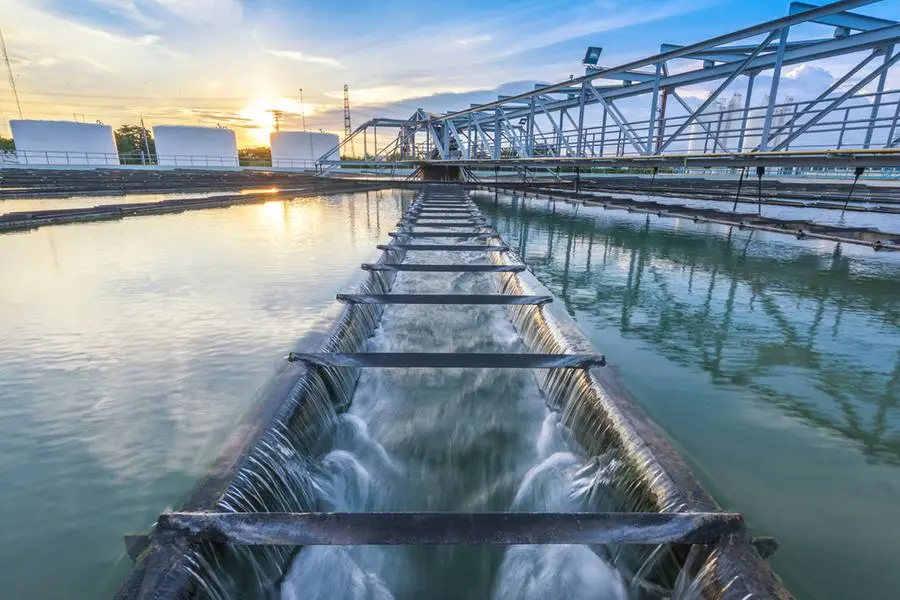
The water injection process is based on a sustainable aquifer recharge technology, whereby excess desalinated water produced during periods outside peak demand is injected directly into underground aquifers for storage and later recovery when needed for potable, industrial and agricultural uses, contributing to the efficient management of water resources.
The site selection process was based on detailed hydrogeological studies, including soil analysis, experimental drilling and scientific modelling to ensure the safety and sustainability of storage and recovery operations without affecting the environment or existing water resources. Additional criteria included proximity to water transmission networks and surrounding agricultural and commercial activities.
For his part, Eng. Abdulhakim bin Amur Al Dhhli, Master Planning & Strategic Investments Manager, said the project is expected to significantly enhance water security by reducing reliance on desalination plants during peak demand periods and improving the efficiency of water resource management.
He added that the project will also support interconnection plans between governorates, with the Sharqiyah Sands field expected to serve North and South Sharqiyah as well as Dakhliyah Governorates following the completion of water transmission interconnection projects.
The project is also expected to reduce operational pressure on desalination plants during peak periods while improving energy efficiency through the transition from immediate production to a strategic storage-based operational model. This is anticipated to lower energy consumption within the water production and transmission system associated with the project, contributing to reduced emissions, lower operational loads and enhanced long-term sustainability.
Al Dhhli noted that the project is being implemented in cooperation with several strategic partners, including Ministry of Agriculture, Fisheries and Water Resources, the Water Research Center at Sultan Qaboos University and German University of Technology in Oman, in addition to international institutions to ensure the successful implementation of the initiative and support a transformative shift towards a more resilient and future-ready water management system.
He added that the project paves the way for applying this technology in other locations across the Sultanate, further strengthening the development of a sustainable and adaptive national water system capable of responding to future challenges while supporting the sustainability and water security goals of Oman Vision 2040.
Nama Water Services continues to implement an integrated water sustainability strategy focused on reducing non-revenue water through AI-enabled network modernization and strengthening water resources through international best practices in demand management.
The strategy also includes investing in wastewater treatment and water reuse for industrial and agricultural applications, expanding strategic water infrastructure across the governorates it serves and accelerating digital transformation through advanced geographic information systems to improve operational efficiency.
© Apex Press and Publishing Provided by SyndiGate Media Inc. (Syndigate.info).