PHOTO
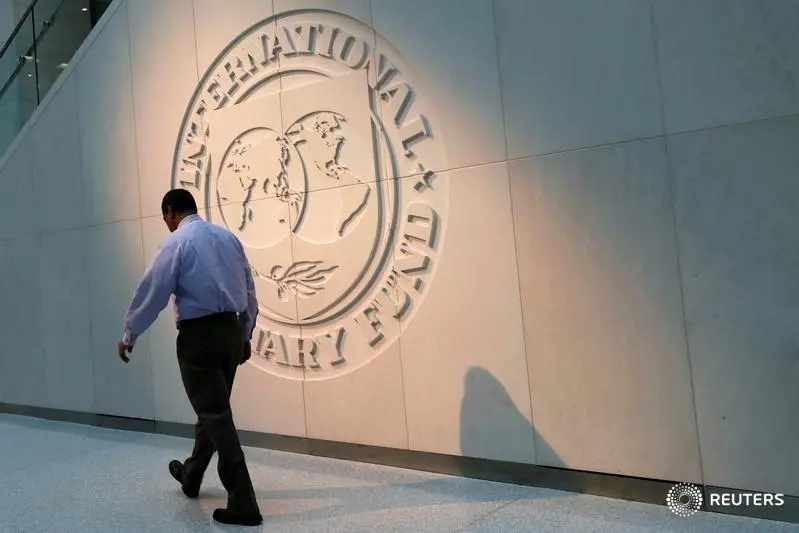
Despite investors' growing conviction that Senegal will default on its debts, the country's leaders remain reluctant to restructure, two people familiar with the matter said, as Dakar holds more talks with the International Monetary Fund.
No deal is likely from this IMF mission, the sources said, with Dakar and the Fund still at odds over how to manage a debt load that has shut the West African nation out of international capital markets and left it rolling over short-term regional borrowing to stay afloat. The standoff dates to 2024, when Senegal's then-new administration said the previous government had under-reported public borrowing, prompting the IMF to freeze a $1.8 billion programme. Talks on a replacement loan have dragged on since, complicated by political upheaval that last month saw President Bassirou Diomaye Faye sack Prime Minister Ousmane Sonko, a vocal opponent of restructuring who had called default a "disgrace."
"They have been trying to keep their lights on by rolling over debt, but now it is a question of when rather than if," said Elina Theodorakopoulou of Manulife Investment Management, referring to a debt restructuring.
Many investors viewed the departure of Sonko as removing a key opponent of a debt overhaul.
They said, however, that Senegal now appeared to be exploring whether guarantees from a development finance institution such as a multilateral development bank could help it secure cheaper borrowing. "The government does still seem to be positioning itself in a muddle-through approach," said Kathryn Exum of Gramercy, whose base case also assumes Senegal defaults.
"They would like to obtain these guarantees as part of the financing envelope," Exum said, noting that while Senegal's debt levels and credit rating make that difficult, it cannot be ruled out. An IMF team began a staff visit on Monday. It is scheduled to meet the finance minister but not the president or the new prime minister.
SNAGS ALONG THE WAY S&P
Global Ratings pegged Senegal's misreported debt at about $13 billion as of last July, a quarter of the country's $40 billion economy.
While an IMF programme would unlock financing, talks have hit several snags. The Fund has more pessimistic growth figures than the government and flagged concerns over revenue targets and fiscal consolidation.
One source said the government had not taken a final decision on its debt strategy and the IMF visit was not intended to conclude a deal. The second also said no deal was expected.
Both cited domestic political opposition to restructuring.
A finance ministry spokesperson did not respond to a request for comment. Senegal's international bonds are trading at deeply distressed levels of 52 to 58 cents — just over half their face value.
Senegal made more than $90 million in eurobond payments earlier this month. Its next coupon is due in autumn.
"Those sources of financing are not infinite, and a return to concessional financing linked to an IMF programme is inevitable," said Yvette Babb of William Blair, who also said a restructuring may be needed.
(Reporting by Portia Crowe in Dakar and Libby George in London; editing by Karin Strohecker and Hugh Lawson)