PHOTO
ABIU DHABI - The Statistics Centre - Abu Dhabi (SCAD) visited Khalifa Economic Zones Abu Dhabi -KEZAD Group as part of its ongoing engagement with key data partners across the Emirate to support the continuous development of Abu Dhabi’s official economic statistics.
The visit focused on cooperation in the exchange and integration of economic and industrial data across manufacturing, logistics, commercial, and free zone activities that contribute to Abu Dhabi’s economy. The engagement also supports broader efforts to improve coherence across business registers, administrative datasets, and sectoral economic statistics.
Representatives from SCAD and KEZAD Group reviewed the Group’s operations, industrial ecosystem, and future expansion plans, alongside opportunities to strengthen structured data exchange and statistical coordination.
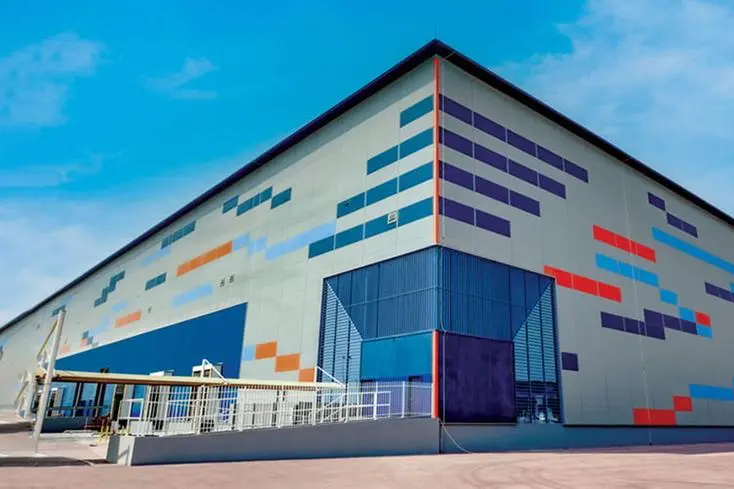
The programme also included field visits to a number of industrial facilities within KEZAD, where the SCAD delegation was briefed on manufacturing operations, automation technologies, robotics integration, and advanced production environments.
Abdulla Gharib Alqemzi, Director-General of SCAD, said, “Official economic statistics depend on sustained cooperation with entities that generate and manage economic activity across the Emirate. Our engagement with KEZAD supports SCAD’s efforts to strengthen statistical coverage and sectoral understanding across industrial, logistics, and commercial activities that are central to Abu Dhabi’s economy.”
Mohamed Al Khadar Al Ahmed, Chief Executive Officer of Khalifa Economic Zones Abu Dhabi - KEZAD Group, said, “Robust economic data is central to how governments plan, how investors make decisions, and how industrial ecosystems scale with confidence. KEZAD Group sits at the centre of Abu Dhabi’s manufacturing, logistics, and free zone activity, giving us a direct view of the sectors, businesses, and investment flows shaping the emirate’s non-oil economy.”
He added, “Our cooperation with SCAD strengthens the link between operational data and official statistics, supporting more accurate economic measurement, sharper policy development, and long-term industrial growth.”