PHOTO
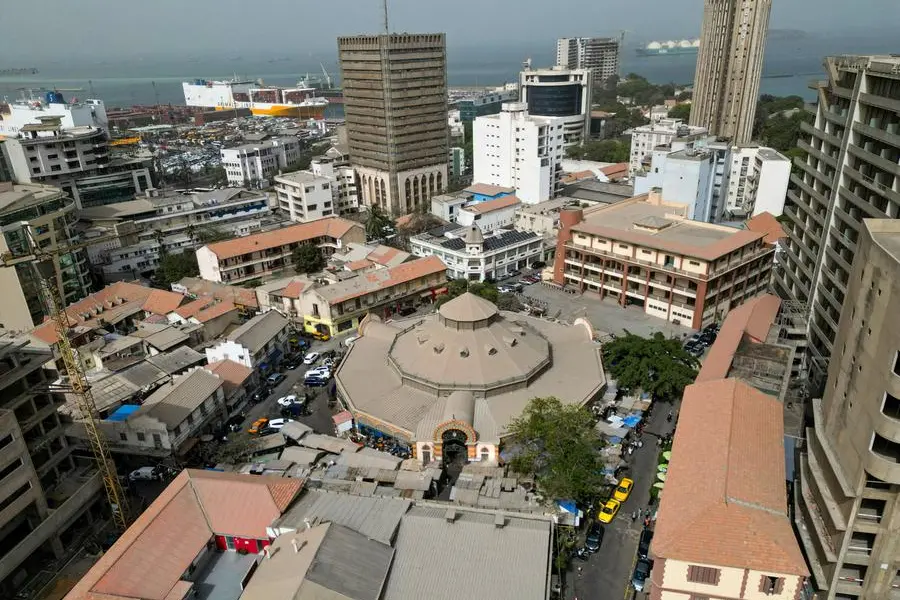
WASHINGTON - Senegal's talks with the International Monetary Fund at the Spring Meetings in Washington last week were touted as the next step for debt-distressed Dakar's efforts to clinch a new loan programme.
Instead, officials from the West African nation held no investor briefings last week and were largely absent from the hallways of the World Bank, the Fund and the many conferences governments usually use to make their pitch, attendees said.
That follows months of limited information-sharing with the Fund, two sources close to the situation said.
"Our key takeaway from the Spring Meetings was that things are moving more slowly now on a programme than we previously thought," said Stuart Culverhouse, chief economist with Tellimer, who spoke separately to Reuters. Senegal's $40 billion economy has been in turmoil since 2024, when the new government disclosed debts not reported by the previous administration - and now estimated to stand at $13 billion. In response, the IMF froze its financing.
Dakar has been in talks with the Fund for both a crucial debt-misreporting waiver, which would allow it to avoid repaying any of the previous loan and also to seek a new bailout lending plan.
Senegalese officials met both the Bank and the Fund. But the only investor-facing event was a briefing by IMF Mission Chief Mercedes Vera-Martin and some technical staff packed with about 100 investors, 10 sources told Reuters.
IMF chief Kristalina Georgieva hailed "productive meetings", posting a picture with Finance Minister Cheikh Diba and Economy Minister Abdourahmane Sarr. But sources close to the conversations told Reuters the two sides remain far apart.
UNDER PRESSURE The two sides are struggling to agree even on baseline numbers needed for the Fund's debt-sustainability assessment. For example, the government expects a deficit of 5.4% of GDP in 2026 and 3% in 2027 due to new tax measures, while the IMF forecasts 6.2% this year and 5.8% next.
But the biggest gap centres on debt restructuring.
The government has said the Fund thinks it needs a rework to make its debts sustainable - a core requirement for new lending. Dakar strongly rejects the idea.
The Fund says it does not prescribe restructurings or other specific measures, leaving it to governments to determine appropriate steps. IMF Africa Director Abebe Selassie said last week the Fund wanted to "allow the government time to come up with a program strategy that's going to be credible, financeable and avoid too much austerity".
Three sources said Vera-Martin told the briefing the Fund had warned of potential risks from too-aggressive fiscal consolidation - namely spending cuts.
"The IMF would like to see a more gradual fiscal adjustment than the authorities are planning," Culverhouse said.
A Senegal finance ministry spokesperson did not respond to a request for comment.
IN THE DARK
Investors said the Fund will classify "total return swaps" as external debt but is still assessing how to incorporate them into the total debt pile. Total return swaps are financing instruments Dakar has used to raise funding outside of conventional bonds or loans, potentially obscuring the state of the country’s finances.
"Everybody's left in the dark just on the terms and the tenors and the amounts," said Leo Morawiecki of asset manager Aberdeen, who attended the Washington meetings and spoke separately to Reuters.
Senegal has kept financing itself in local debt markets largely through short-term issuance that requires frequent rollovers. The global backdrop has offered little relief for higher-risk countries dependent on energy imports — even as Senegal begins exporting oil and gas from new offshore projects.
"The bar for securing an IMF-supported program is now likely higher as fuel prices will increase the energy subsidy bill, making it more difficult to consolidate the fiscal deficit," JPMorgan analysts said in a Washington roundup.
"However, there is a sense amongst investors that a muddle through scenario is likely to be in play, particularly as they continue to secure financing from the regional markets."